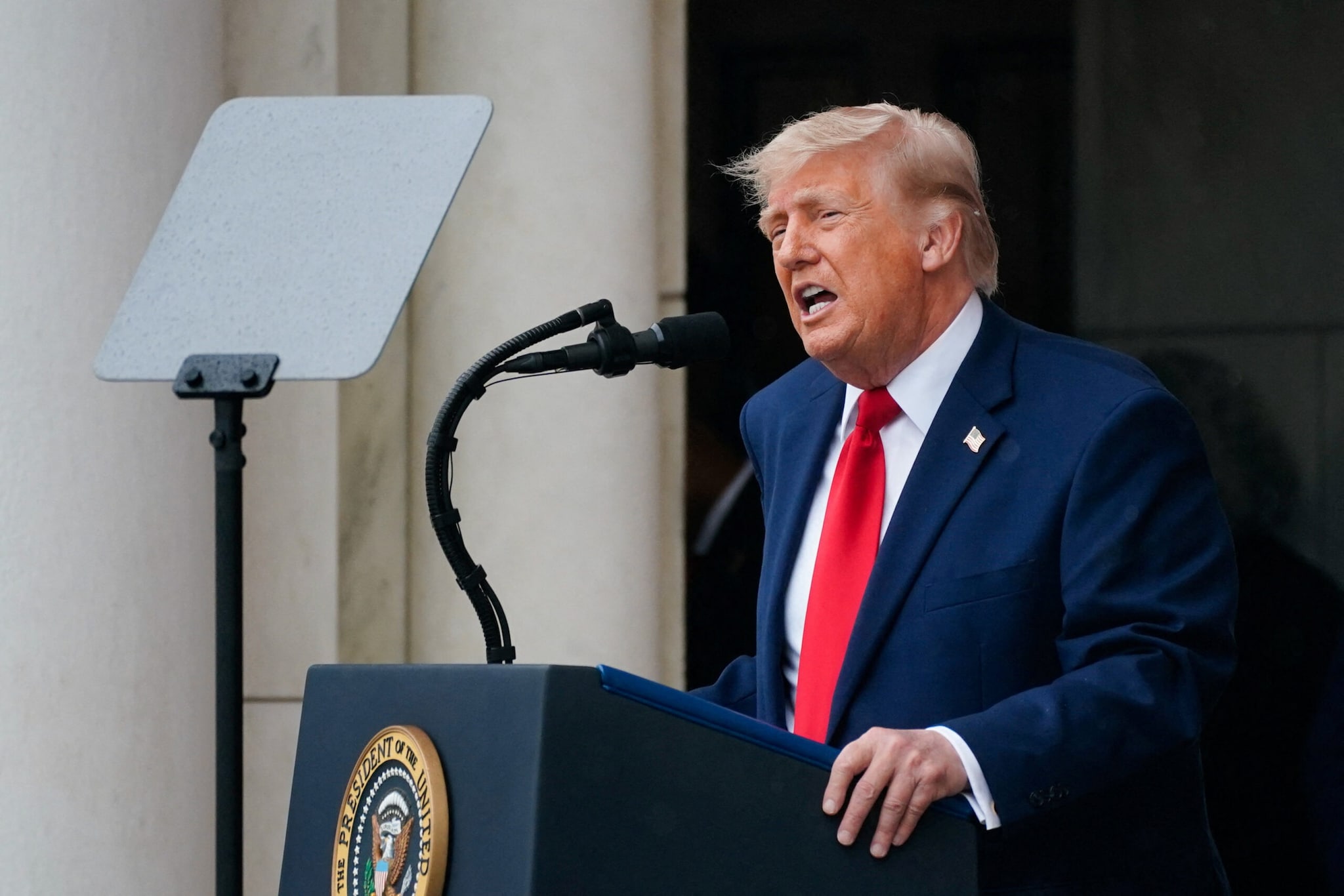
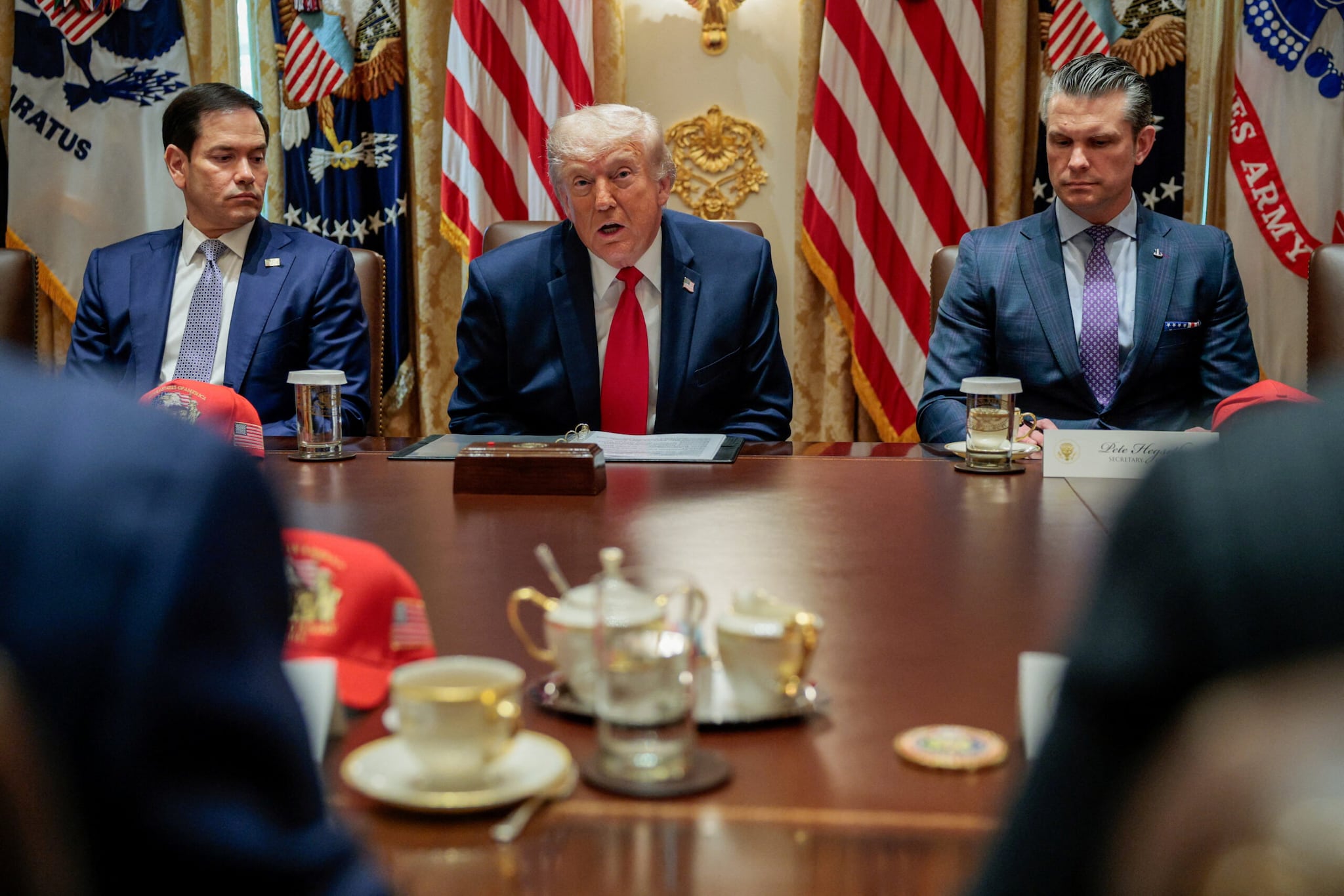
Donald Trump just dropped a bomb on North American trade. Speaking from the Oval Office, he bluntly told reporters he isn't looking to renew the United States-Mexico-Canada Agreement. Yeah, the very same USMCA he signed back in 2020.
If you are a business owner or an investor relying on smooth cross-border supply chains, this probably sent a shiver down your spine. But before you panic and assume continental trade is about to collapse into a chaotic tariff war, you need to understand how the guy operates. This isn't a random tantrum. It's a highly calculated opening gambit for a massive trade renegotiation.
The timing isn't accidental either. The three nations face a critical July 1 deadline. This is the official six-year joint review window built right into the pact. The original goal of this milestone was to seamlessly extend the deal for another 16 years. Instead, Trump is using the sunset clause as a hammer to force Mexico and Canada to the negotiating table on his terms.
The Real Story Behind the Sunset Clause Threat
When Trump dismantled NAFTA during his first term, his team deliberately inserted Article 34.7 into the replacement deal. It was a brand-new mechanism in international diplomacy. Essentially, it dictates that the deal expires after 16 years unless all three nations explicitly agree in writing to extend it at the six-year mark.
If one country refuses to sign off on the extension, the deal doesn't die immediately. It doesn't trigger a sudden death. Instead, it pushes the agreement into a phase of grueling annual reviews for the remaining ten years of its lifespan. That means the USMCA would technically stay active until 2036, but everyone would be trapped in a state of perpetual negotiation.
"I'm not looking to renew it," Trump stated flatly, arguing that the US does much better without relying on Canadian and Mexican goods. "We don't need their cars, we don't need their lumber, we don't need their energy, we don't need anything that they have."
That's classic theater. Honestly, the idea that the US can just walk away from Canadian oil or Mexican auto parts without wrecking its own economy is a fantasy. Corporate America knows it. Mexico City knows it. Ottawa knows it. But by acting like he's totally willing to walk away, Trump instantly shifts the power dynamic. He wants his neighbors to feel insecure so they offer major concessions just to keep the status quo.
The Massive Economic Disconnect
Look at the actual numbers and you see why business groups are sweating. The value of American agricultural exports to Canada and Mexico has jumped 47% since the USMCA took effect, completely outpacing a meager 18% growth with the rest of the world. Mexico and Canada are the top two individual markets for American farmers.
Yet, Trump looks at a different metric entirely: the trade deficit. Last year, the agricultural trade deficit with our neighbors hit $24.5 billion. The US imported $39.3 billion in farm products from Canada while exporting $28.2 billion. With Mexico, the gap was wider: $44 billion in imports against $30.6 billion in exports.
For an administration obsessed with mercantilist trade balances, those deficits are a massive target. Trump believes the US market is the ultimate prize, and he's pissed off that American buyers spend more across the borders than foreign buyers spend here. He wants surpluses, and he's ready to squeeze his neighbors to get them.
Auto Supply Chains and the Chinese EV Shadow
If Trump actually throws a wrench into the agreement, major US carmakers stand to lose the most. Ford, GM, and Stellantis don't build cars in just one country anymore. Parts cross the Mexican and Canadian borders multiple times before a finished vehicle rolls off an assembly line.
There's an even bigger issue looming over the car industry right now: Chinese electric vehicles. Washington is absolutely terrified that Chinese auto giants are going to use Mexico as a back door to flood the US market with cheap EVs. By building factories south of the border, Chinese firms could theoretically exploit the duty-free access guaranteed by the USMCA.
Trump wants to use these upcoming talks to aggressively tighten the Regional Value Content rules. He wants to make sure that if a car is sold tariff-free in America, every single major component was made by North American workers, using North American steel, completely shutting China out of the ecosystem.
How Mexico and Canada Are Playing Defense
The political leadership in Mexico and Canada are handling this threat in completely different ways.
Mexican President Claudia Sheinbaum has publicly insisted that the trilateral pact will march on. But behind the scenes, her tone has turned noticeably sharper. She's been pushing back against Washington's domestic political meddling, signaling that Mexico won't just roll over and accept a bad deal.
Canada is in a much tougher spot. Prime Minister Mark Carney has attempted to pitch a "Fortress North America" strategy to win over the White House, trying to position Canada as an essential security and energy ally. But Ottawa is currently frozen out of formal talks. Why? Because Ontario Premier Doug Ford ran an aggressive anti-tariff ad campaign last year that irritated the Trump administration. Now, Ford is frantically visiting Washington, pleading for everyone to just hammer out a deal quickly to avoid disaster.
Your Immediate Strategy to Survive the Trade Drama
You can't control international trade policy, but you can protect your operation from the fallout of this political posturing. The worst thing you can do right now is assume everything will just sort itself out.
- Map your tier-two suppliers immediately. Don't just look at where your direct suppliers are located. Find out where they get their raw materials. If Trump freezes the deal and annual reviews start, even minor components crossing the border could face surprise compliance audits.
- Audit your Rules of Origin compliance. Many companies are already overpaying tariffs simply because they misinterpret the current USMCA paperwork. Ensure your customs documentation is ironclad so you don't attract unnecessary scrutiny from border agents looking to score political points.
- Build a tariff cushion into your 2027 budgets. If the July 1 deadline passes without a renewal signature, the agreement doesn't vanish, but market volatility will spike. Price in the logistical friction of longer border delays and potential localized retaliatory tariffs.
This trade drama isn't going away anytime soon. Trump got exactly what he wanted: he completely disrupted the status quo and put Canada and Mexico on notice. Expect months of volatile headlines, fierce corporate lobbying, and public posturing. Keep your logistics flexible, watch the auto sector rules closely, and don't mistake negotiation theater for an actual trade war.