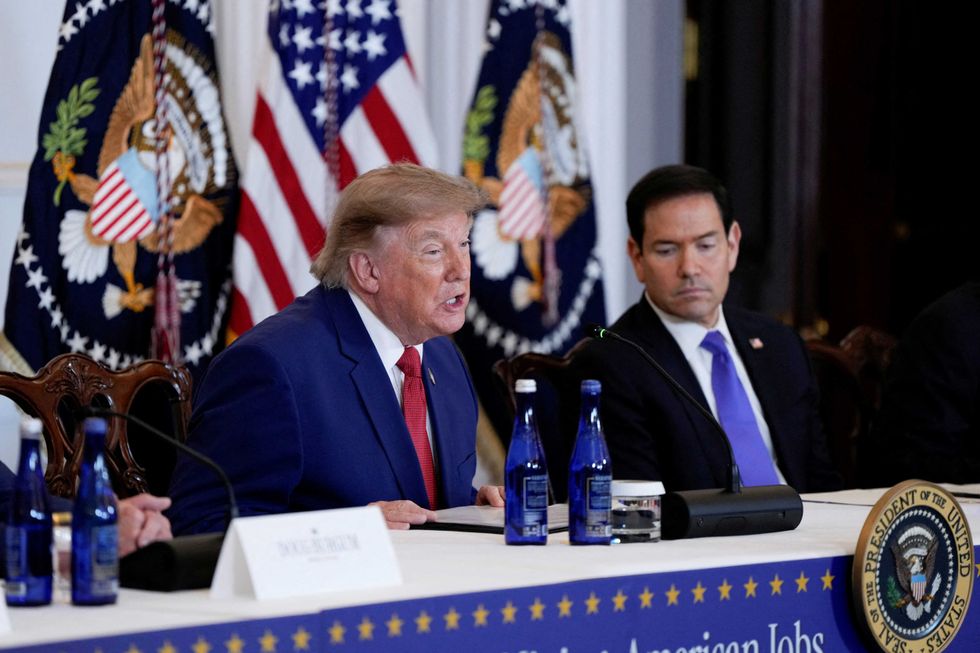
Donald Trump isn't happy about Canada getting cozy with Europe. When European Commission President Ursula von der Leyen pitched the idea of making Canada the bloc's very first "associate member," Washington didn't see it as a cute diplomatic handshake. Trump immediately fired back with heavy tariff warnings, calling out the move as a potential hostile act.
If you are wondering why a transatlantic trade proposal has the White House threatening a trade war, you have to look at the shifting tectonic plates of global politics. Canada is actively looking for new anchors as North American trade relations face relentless turbulence under Trump's protectionist playbook. Don't miss our previous coverage on this related article.
The Anatomy of a Diplomatic Clash
The friction started when Brussels floated a framework designed to pull Ottawa closer into the European orbit. European leaders argued that democracies need to band together against a fracturing international order. Prime Minister Mark Carney and his administration jumped at the chance to deepen ties, noting that diversifying partnerships is essential for economic survival.
Trump saw it differently. In his eyes, any regional arrangement that bypasses U.S. leverage or carves out special economic corridors is a direct challenge. He made it clear that if the intention behind the alliance is hostile toward American interests, Europe will face severe border taxes or a complete freeze on trade. If you want more about the background here, Associated Press offers an informative summary.
European ministers quickly pushed back, stating that Washington doesn't get a veto over sovereign European policy. France and other key players insisted that the European Union has every right to choose its geopolitical partners without running decisions past the Oval Office.
Why Canada is Pivoting Toward Europe
Canada's economy relies heavily on cross-border trade, but constant tariff threats and shifting procurement rules have forced Ottawa to look outward. The numbers tell a clear story. The European Union stands as Canada's second-largest trading partner, clearing massive billions in annual volume.
By pursuing associate membership, Canada aims to lock in stability. It is not just about tariffs; it is about scientific collaboration, regulatory alignment, and security partnerships. Canadian officials want guarantees that won't vanish every time a new administration takes office down south.
Yet, navigating this pivot is tricky. Critics argue that trying to bridge two massive, often competing economic blocs leaves Canada caught in the middle of a superpower tug-of-war.
The Broader Economic Fallout
Tariff threats carry real weight. If Trump follows through on punishing the European Union over its Canadian outreach, global supply chains will feel the shockwaves. European exporters would face sudden cost spikes, and American consumers would ultimately pay more for imported goods.
At the same time, domestic political pressure inside North America is mounting. Canadian leadership has to juggle aggressive U.S. trade policies while dealing with industrial fallout at home, such as manufacturing shifts and automotive disputes. Aligning more closely with Europe offers a cushion, but it doesn't erase the geographic reality of sharing a border with the United States.
The upcoming summits between Canadian and European officials will determine what this associate status actually looks like in practice. Whether it becomes a revolutionary new economic model or just a symbolic gesture of defiance remains entirely up for grabs.
Why Trump is Threatening EU Over Canada Trade Deal
This short video covers the core announcement and the immediate fallout of Donald Trump's tariff warnings regarding the European Union's proposal to bring Canada into its fold as an associate member.