Every desk-bound strategist in Washington and London is hyperventilating over the latest viral headline about Donald Trump threatening to bomb Oman if it blocks the Strait of Hormuz. The lazy consensus among mainstream pundits is straightforward: a fiery populist leader is rattling sabers against a peaceful Gulf intermediary, threatening a sudden escalation that will blow up global energy markets.
It is a comfortable narrative. It requires zero critical thinking. It feeds the 24-hour panic machine. If you liked this post, you should check out: this related article.
And it is entirely wrong.
I have spent decades watching Washington play out the same tired script in the Persian Gulf. What the commentariat misses is that Oman is not a speed bump on America's warpath; Oman is the administrative valve through which the United States and Iran quietly conduct their diplomatic business. Threatening Muscat does not signal an impending blitzkrieg. It signals a complete failure of anyone reporting on foreign policy to understand how actual leverage works in the Middle East. For another angle on this event, check out the latest update from The New York Times.
The Geography of Convenience Nobody Wants to Acknowledge
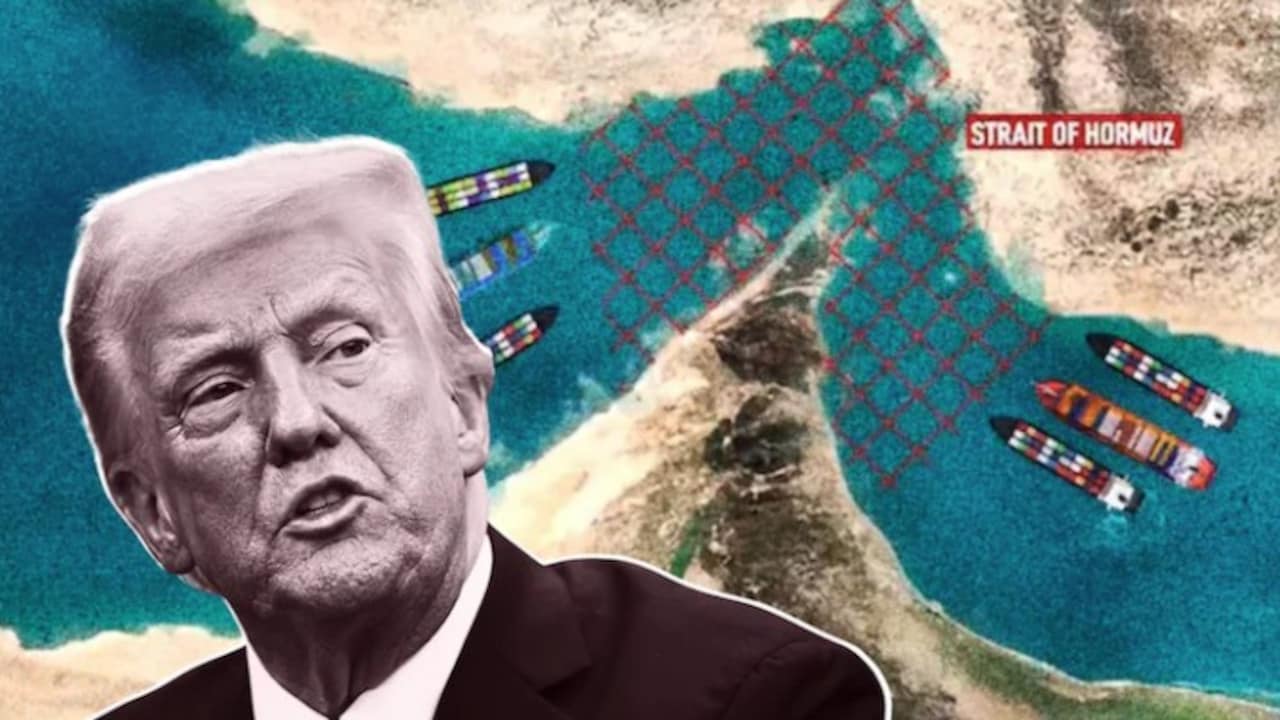
Let us start with basic mechanics that the pundits gloss over. The Strait of Hormuz is roughly 21 miles wide at its narrowest point, with the inbound and outbound shipping lanes each just two miles wide. Half of that sits inside Omani territorial waters due to the Musandam Peninsula.
When casual observers look at a map, they see a choke point. When military planners look at it, they see a logistics nightmare that nobody—least of all the Pentagon or Tehran—actually wants to shut down permanently.
Muscat plays a very specific, highly lucrative game of Switzerland-on-the-Arabian-Sea. For decades, Oman has functioned as the primary diplomatic backchannel between Washington and the clerical regime in Tehran. When the White House needs to pass a message that cannot go through Swiss intermediaries, it goes through Muscat.
To assume Trump wants to "bomb the s*** out of Oman" is to ignore the exact utility that makes Oman valuable to American grand strategy. You do not destroy your own primary intelligence conduit and diplomatic pressure valve just because you need a punchy quote for a rally or a social media post.
The Myth of the Unilateral Choke Point
People love to talk about Hormuz as if it is a light switch. Iran flips it off, oil spikes to two hundred dollars a barrel, and the global economy grinds to a halt.
That is not how maritime logistics operate. I have seen corporations panic over minor shipping delays in the Suez, only to watch supply chains reroute within seventy-two hours.
If Oman or Iran attempted to permanently strangle the strait, the kinetic response would not be a sweeping bombing campaign across the Omani desert. It would be a surgical, overwhelming clearing operation focused purely on maritime denial assets—anti-ship missiles, fast attack craft, and mine-layers. Muscat knows this. The ruling sultanate is not suicidal. Their entire national security architecture is built on keeping the waterway open precisely so foreign powers never have an excuse to land Marines on their beaches.
When a leader issues a blunt warning about a strategic waterway, they are not outlining a military timetable. They are establishing a deterrence baseline.
Dismantling the Expert Consensus
Let us look at what the mainstream foreign policy establishment gets wrong about Gulf diplomacy.
The traditional think-tank class operates under the assumption that states in the region must align cleanly into blocs: pro-Western or anti-Western, Sunni or Shia. Oman shatters that binary every single day. They maintain cordial ties with Iran, host Houthi negotiators, facilitate prisoner swaps, and simultaneously purchase Western military hardware while hosting British and American logistical footprints.
When an outsider looks at this balancing act, they call it playing both sides. Realists call it survival.
Trump’s rhetorical style relies on hyperbole to compress complex negotiations into binary choices. He does not want to flatten Muscat. He wants the Omani leadership to lean harder on their backchannels in Tehran to ensure the oil keeps flowing without requiring a direct carrier strike group deployment every time tensions flare.
By treating the threat as literal, the media falls directly into the trap. They take the president literally, but not seriously, while smart analysts take him seriously, but not literally.
The Real Risk in the Strait
The danger in the Persian Gulf is not a deliberate Omani closure of maritime lanes or an American punitive bombing raid on a loyal regional partner. The real risk is accidental escalation caused by miscalculation in a crowded corridor.
When you crowd naval destroyers, Islamic Revolutionary Guard Corps speedboats, commercial supertankers, and Omani coast guard vessels into a narrow corridor, the margin for error disappears. A single panicked captain or a misread radar signature can trigger a local firefight that spirals out of control before diplomats in Muscat can pick up the phone.
That is why the rhetoric matters, but not for the reasons CNN or Fox News tell you. The shouting matches and maximalist threats are designed to freeze hostile action before a physical mistake happens.
If you are adjusting your portfolio or your geopolitical outlook based on the idea that Oman is about to become a war zone, you are trading on noise instead of signal. The Omani government understands the American playbook better than the pundits writing about it. Muscat will quietly absorb the public posturing, keep the backchannels open, and ensure the tankers keep moving.
Stop looking at the volume of the threat. Look at the mechanics of the trade. The strait remains open because it is in nobody's interest to close it, least of all the neutral brokers who profit from keeping the lights on.