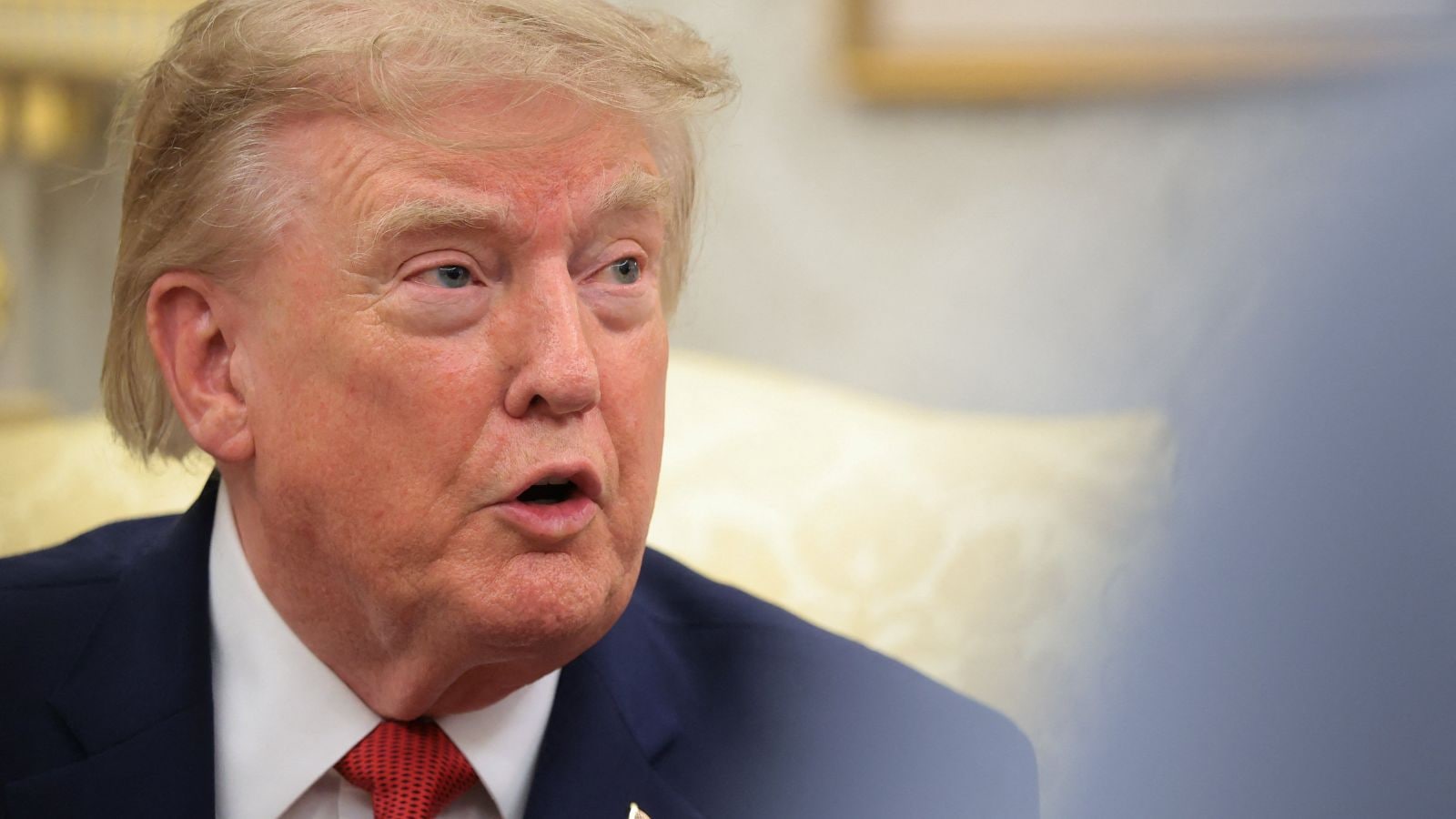
The United States emergency oil stockpile sits at its lowest point in over forty years, and the White House has a plan to fix it using South American crude. President Donald Trump announced that oil secured through a sweeping new pact with Venezuela will go directly toward refilling the depleted Strategic Petroleum Reserve (SPR). He dubbed the arrangement a gift to Americans, but energy markets and industry veterans know that moving heavy oil from Caracas into domestic salt caverns is far easier said than done.
Stocks inside the SPR dropped to roughly 290 million barrels, hovering near 1982 lows after successive administrations tapped the emergency reserves to counter global supply shocks, pandemic recovery swings, and regional conflicts involving Iran and Ukraine. Trump wasted no time pointing fingers at his predecessor, claiming the reserve was left hollowed out. Now, following a high-stakes geopolitical shift that brought interim Venezuelan leadership to the table alongside U.S. officials like Secretary of State Marco Rubio and Defense Secretary Pete Hegseth, the administration claims to have secured majority control over vast oil assets. Don't forget to check out our recent article on this related article.
The Reality of the New Energy Agreement
The numbers tossed around by Washington and Caracas sound massive. The deal supposedly targets 17 strategic oil fields holding an estimated 65 billion barrels of proven reserves. Under the framework, a newly formed entity involving private operators grants the U.S. a 55% effective output share, including an ownership stake and the right to buy crude at cost.
Sounds great on paper. Yet energy analysts point out glaring hurdles that politicians conveniently gloss over. Decades of economic sanctions, chronic underinvestment, and systemic corruption have left Venezuela's petroleum infrastructure in shambles. Power grids are notoriously unreliable, export terminals lack modern capabilities, and specialized equipment is practically non-existent. You can't just flip a switch and pump millions of barrels of heavy crude northward. Rebuilding those fields requires billions in upfront capital and years of grueling engineering work. To read more about the history here, Al Jazeera provides an in-depth summary.
Technical Hurdles Facing the SPR Refill
Even if the wells start flowing tomorrow, matching Venezuelan crude to the specific technical requirements of the Strategic Petroleum Reserve presents a separate headache. The emergency stockpile stored across underground salt domes in Texas and Louisiana relies heavily on lighter, sweeter grades of crude that refineries can process quickly into gasoline and diesel.
Much of Venezuela's underground wealth consists of extra-heavy oil. Turning thick, tar-like bitumen into usable emergency fuel requires heavy upgrading facilities. Pumping unrefined heavy crude straight into the SPR storage caverns doesn't work well without extensive processing capability nearby. Refineries designed for lighter domestic shale oil can't easily digest massive influxes of unblended Venezuelan heavy crude without significant operational modifications.
Political Backlash and Legal Fog
Domestic and international critics are already picking the arrangement apart. Lawmakers in Washington are questioning the security risks of deploying private contractors and capital into a volatile region. Meanwhile, legal scholars in South America argue that the interim government lacks the constitutional authority to hand away long-term rights to national resources, setting the stage for future challenges if political winds shift in Caracas.
If you are watching energy markets or tracking fuel costs at the pump, don't expect instant relief. Filling the SPR takes time, and rebuilding a broken national oil sector takes even longer. Keep an eye on actual capital expenditure announcements from major operators rather than political press releases. Real barrels hitting American storage tanks will prove whether this historic deal amounts to a genuine energy breakthrough or just another political headline.