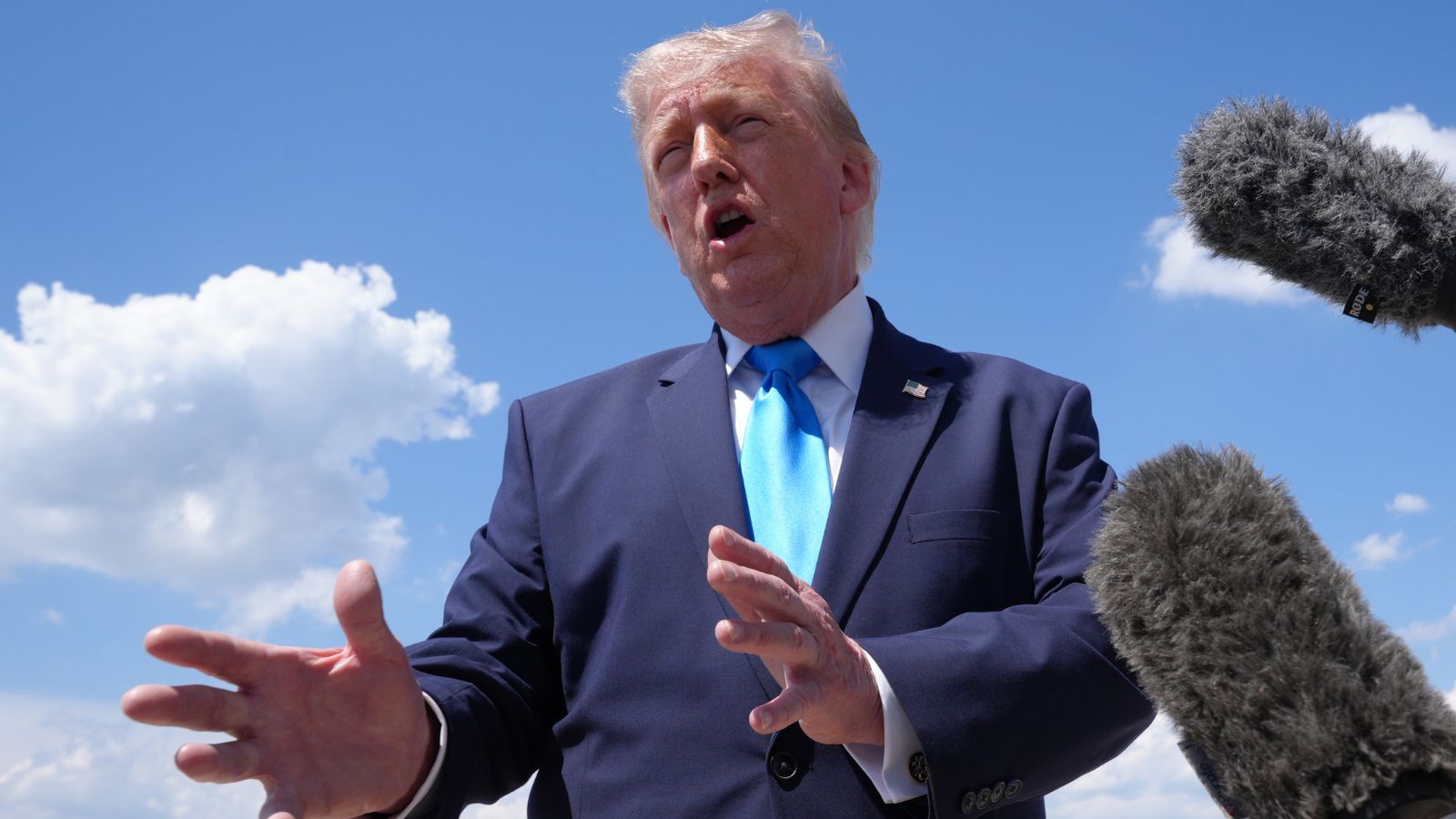
The fragile calm in the Middle East just shattered. President Donald Trump has made it clear that Washington can strike Iran "anytime we want," reviving fears of an all-out regional conflict.
Recent overnight airstrikes along Iran's southern coast pushed the death toll to 18, with over a hundred others wounded. For a moment, it felt like the friction might simmer down. Instead, the United States and Iran just exchanged their heaviest military barrage since July, leaving ordinary citizens to pick up the pieces while politicians exchange angry accusations on the global stage.
What Triggered the Latest Escalation
The friction flared up after a brief relative lull in hostilities. U.S. forces targeted coastal areas near the strategic Strait of Hormuz, aiming to destroy newly installed military hardware. Trump defended the operation publicly, claiming the strikes wiped out equipment Iran tried building to secure the choke point.
Tehran saw it differently. Iranian health officials confirmed that the death toll climbed to 18 following the heavy bombardment, which struck areas near vital shipping lanes and ports.
The most contentious flashpoint of this latest round involved a strike in the coastal city of Kuhestak, located in Sirik County. Iranian authorities stated that a civilian wedding party was hit, resulting in multiple deaths, including children. Iran's Ministry of Foreign Affairs didn't hold back, labeling the incident a war crime and rejecting Washington's standard stance that military operations avoid civilian structures. Meanwhile, U.S. Central Command spokespeople maintained that American forces do not deliberately target non-combatants and announced reviews into the reports.
The Retaliation Cycle
Iran didn't just absorb the blow and move on. Tehran launched a wave of retaliatory drone and missile attacks targeting American military assets and bases across the region, including facilities in countries like Kuwait, Jordan, Bahrain, and the United Arab Emirates.
This tit-for-tat dynamic exposes the core flaw in treating modern proxy and regional wars as short-term fixes. Every time infrastructure gets hammered, the cycle resets with heavier reprisals. Shipping lanes through the Strait of Hormuz remain severely restricted, oil prices react instantly to every headline, and ordinary people living along the Persian Gulf coast bear the physical cost of geopolitical posturing.
Trump's warning that the military is ready to strike harder if Tehran retaliates signals that the White House is betting on maximum pressure over diplomatic restraint. Yet, critics and regional analysts point out that kinetic strikes alone rarely achieve long-term strategic goals without an accompanying diplomatic off-ramp.
The immediate outlook remains volatile. Markets are jittery, supply chains are strained, and military commanders on both sides are locked in a dangerous routine of action and reaction. If you're tracking global stability or energy markets, watch the Strait of Hormuz closely—it remains the economic pulse of the entire crisis.