Donald Trump wants you to believe he's on the verge of the biggest diplomatic victory of his presidency. He's telling reporters that the United States is "getting a lot closer" to an agreement with Iran to end the devastating military conflict that has choked global shipping and sent energy markets into a tailspin. He's talking up progress, teasing a breakthrough, and acting like the master dealmaker who has finally brought Tehran to its knees.
Don't buy it. It's mostly theater.
If you look past the headlines and look at what's actually happening on the ground, the reality is incredibly messy. We aren't on the cusp of historical peace. We're trapped in a dangerous loop of public posturing, backchannel stalling, and massive strategic miscalculations.
The administration is trying to spin a 14-point memorandum of understanding, leaked through Pakistani and Omani mediators, as a sign of imminent victory. But inside Iran, senior lawmakers are already dismissing the American proposal as nothing more than a Western "wish list." The two sides aren't shaking hands. They're just trying to outmaneuver each other before the whole region blows up again.
The Massive Gap Between Talk and Reality
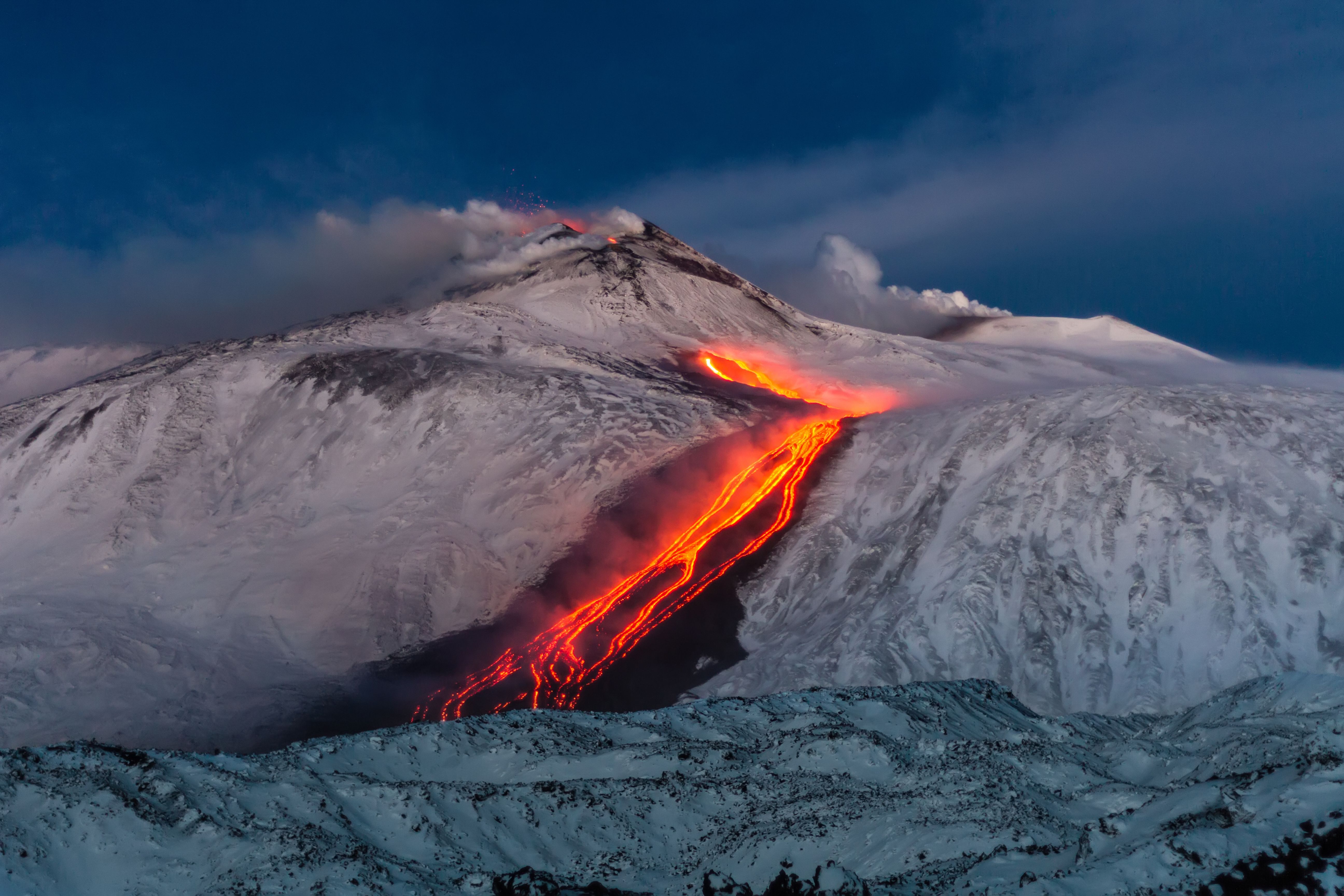
The current conflict didn't happen in a vacuum. After a brutal 38-day military campaign earlier this year that involved heavy U.S. and Israeli airstrikes, the region settled into a deeply unstable ceasefire. Right now, a mutual blockade controls the Strait of Hormuz. Drone strikes keep hitting commercial vessels. Shipping lanes are a total mess.
Trump's public optimism is a classic negotiating tactic, but it ignores the fundamental red lines that neither Washington nor Tehran can cross.
Look at what the White House is actually demanding versus what Iran is willing to give up. Trump has staked his entire foreign policy reputation on three non-negotiable demands. First, Iran must permanently scrap its nuclear program. Second, it has to stop developing ballistic missiles. Third, it needs to completely cut off its regional proxies—the leftovers of the Axis of Resistance in Lebanon, Yemen, and Iraq.
How is Tehran responding? On state television, Iranian Foreign Ministry spokesman Esmaeil Baqaei laid it out plain and simple. They aren't even putting the nuclear file on the table right now. Tehran wants to discuss a basic framework to stop the immediate fighting and lift the economic blockade. They're treating the nuclear issue as something to be dealt with much later, if at all.
You can't claim you're close to a historic deal when you can't even agree on what the meeting is about.
Why the Maximum Pressure Strategy Backfired
To understand why these talks are stuck, you have to look at the history of how we got here. When Trump tore up the original Iran nuclear deal—the Joint Comprehensive Plan of Action—he promised his base he'd deliver something far better. He claimed the old agreement was weak and that massive economic sanctions would force Iran to make total concessions.
It didn't work out that way. Instead of crawling to the table ready to surrender, Iran's leadership dug in. The sanctions crippled the Iranian rial and triggered massive domestic unrest, but they also completely wiped out any political space for moderate Iranian politicians who wanted to talk to the West. The hardliners took total control.
When the U.S. and its European allies triggered the "snapback" sanctions mechanism through the International Atomic Energy Agency, they used up their last bit of diplomatic leverage. Once you've already thrown your heaviest economic punch, you don't have many cards left to play.
Now, Trump finds himself in a political trap of his own making. He can't accept a partial deal that looks anything like the old agreement because his supporters would see it as a total humiliation. But he also can't force Iran into total submission without launching a full-scale, catastrophic war that the American public definitely doesn't want.
The Regional Partners Forcing Trump's Hand
Trump's sudden shift from threatening to "blast the hell out of them" to praising diplomatic progress isn't happening because he suddenly became a pacifist. It's happening because America's closest allies in the Persian Gulf are panicking.
Behind closed doors, leaders from Saudi Arabia, Qatar, and the United Arab Emirates have been begging the White House to cool things down. They're the ones who bear the immediate cost of a shooting war in their backyard. When Iranian drones hit oil facilities or disrupt shipping in the Gulf, it's their economies that take a direct hit.
The Gulf states have spent the last few months quietly hedging their bets. They've restored bilateral ties with Tehran and made it clear they won't let American jets use their bases to launch attacks. Without the full cooperation of regional partners, an extended U.S. military campaign becomes an absolute nightmare logistically. Trump is listening to their pleas for mediation because his military options are far more complicated than he wants to admit.
What Happens Next on the Ground
Forget the grand declarations of a final peace treaty. The real roadmap over the next few weeks isn't about global harmony; it's about basic survival and economic damage control. If you want to know where this situation is actually heading, keep your eyes on these specific areas.
- The Pakistani Pipeline: Keep a close eye on Islamabad. Because the U.S. and Iran won't talk directly, Pakistani military mediators are doing the heavy lifting. Watch for whether they can broker a limited, step-by-step de-escalation rather than a comprehensive treaty.
- The Hormuz Chokehold: Watch the shipping lanes. Iran recently gave a Qatari liquid gas ship permission to pass through the Strait of Hormuz, which was a small sign of flexibility. If regular commercial traffic starts moving safely again, it means a temporary economic truce is working, even if a political deal is far away.
- The Nuclear Watchdog Standoff: Look at how Tehran treats the IAEA inspectors. If Iran continues to restrict international oversight and boost its uranium enrichment, any diplomatic progress claimed by the White House is pure fiction.
Don't expect a grand signing ceremony on the White House lawn anytime soon. What we're looking at is a cynical, prolonged staring contest. Trump needs to talk about a deal to keep oil prices stable and soothe voters who are anxious about the economy. Iran needs to talk about a deal to get some breathing room from economic blockades. They'll keep talking, the mediators will keep flying between capitals, and Trump will keep tweeting about how close they are. Just don't confuse the theater of a negotiation with the actual hard work of peace.