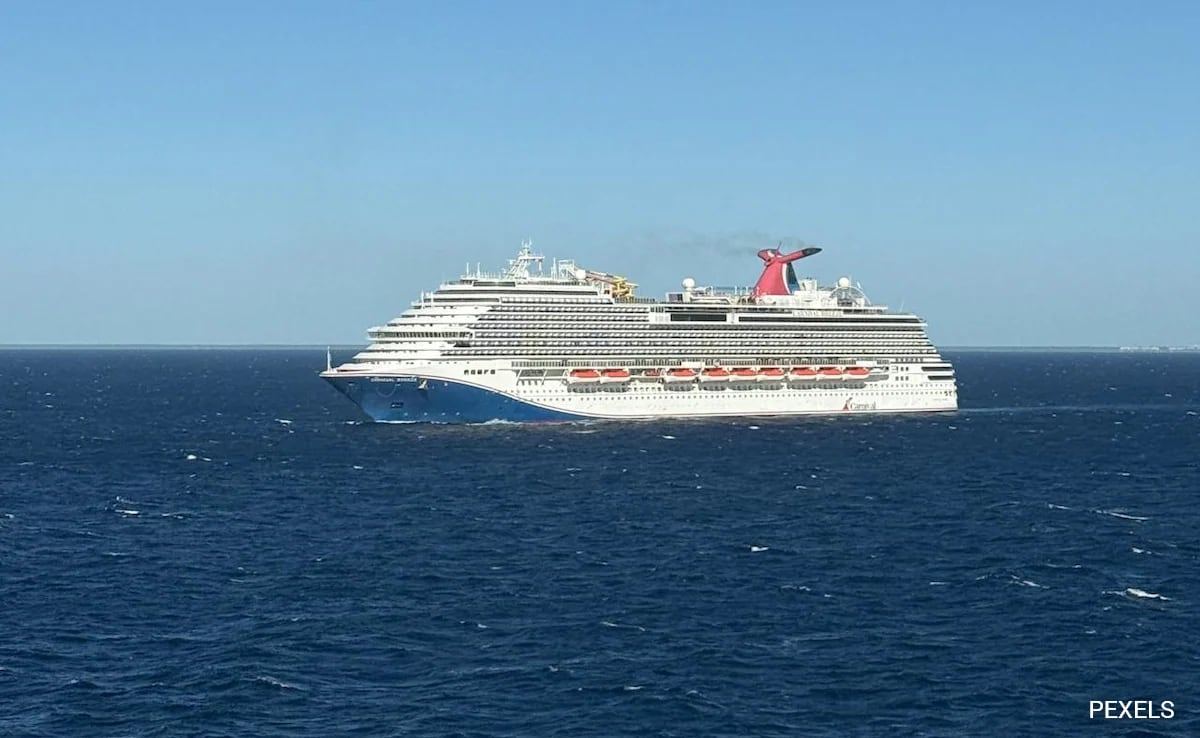
You pack your bags, board a massive luxury vessel, and look at the itinerary. It lists a pristine island with white sand beaches and crystal-clear water. But if you open Google Maps or look at an official maritime chart, you won't find it.
This isn't a glitch. It isn't a pirate conspiracy either. Discover more on a similar topic: this related article.
Cruise lines are actively steering mega-ships toward coordinates that traditional maps ignore. They call these places private destinations. In reality, they are highly engineered, corporate-owned illusions built from scratch to keep your wallet open. If you think you're exploring the authentic Caribbean or Bahamas when you step off the gangway at Perfect Day at CocoCay or Ocean Cay, you've bought into a brilliant marketing trick.
Let's look at what is actually happening on these invisible islands and why the cruise industry is betting billions on places that don't officially exist. Further analysis by Travel + Leisure explores similar perspectives on this issue.
The Maritime Trick Behind Ghost Destinations
Cartographers map the world based on sovereignty, geography, and public access. Cruise line islands defy these rules.
When Royal Caribbean or Norwegian Cruise Line buys a tiny Bahamian cay, that dot of land undergoes a radical transformation. It gets wiped clean. Major geographic features are dredged, reshaped, and renamed. The original name of the island disappears from consumer travel brochures, replaced by a trademarked brand name.
Maritime charts used by ship captains still show the boring reality: Little Stirrup Cay or Great Stirrup Cay. But to the average traveler, those names mean nothing. The cruise lines create their own reality. They print custom maps for passengers where the only things that exist are water slides, bars, and gift shops.
It is a corporate terraforming project. They blast away coral reefs to dig deep-water channels so 200,000-ton ships can dock directly instead of using tender boats. They pump in thousands of tons of sand to create perfect, rock-free beaches. They build fake shipwrecks to give snorkelers something to look at.
You aren't visiting a country. You are visiting a theme park floating in the ocean.
Why Cruise Lines Hate Real Ports
To understand why cruise lines love these mapped-out illusions, you have to understand their biggest headache: real cities.
When a ship docks in Nassau, Cozumel, or St. Thomas, the cruise line loses control. You step off the ship and instantly get swarmed by local tour guides, independent taxi drivers, and authentic restaurants. If you buy a plate of jerk chicken or a handmade souvenir in a local market, the cruise line makes exactly zero dollars from that transaction.
Worse yet, real ports have real-world problems. They have traffic. They have crime warnings. They have local politicians who want to charge high head taxes per passenger.
Private islands solve every single one of these problems simultaneously.
- Total economic control: Every dollar you spend on a private island goes straight back to the cruise company. The bartenders work for the ship. The straw market vendors pay hefty rent to the cruise line. The shore excursions are owned and operated by the parent corporation.
- Zero competition: You can't walk down the beach to find a cheaper beer. The prices are set, controlled, and fixed. Your ship card or wearable wristband is the only currency accepted.
- The safety bubble: There are no locals here except for the staff bused in to serve you. There is no crime, no poverty, and no cultural friction. It is a sterile, hyper-managed environment designed to maximize relaxation and spending.
MSC Cruises took this to the extreme with Ocean Cay Marine Reserve. They took a former industrial sand extraction site—basically a polluted wasteland—and spent years turning it into a gorgeous eco-resort. It looks like paradise now. But it is a completely manufactured paradise designed to capture 100% of your vacation spend.
The Dark Side of Manufactured Paradise
The environmental cost of creating a place that doesn't exist on standard maps is massive.
Dredging the ocean floor to accommodate modern mega-ships destroys marine habitats. It kicks up silt that can smother nearby coral reefs. While cruise lines frequently highlight their conservation efforts—like planting coral nurseries or using solar power on the islands—the initial construction of these ports requires heavy industrial intervention.
There is also the cultural erasure. Tourism used to be about experiencing different ways of life. When you spend your day at a private destination, you learn nothing about the history, people, or struggles of the country you are technically visiting. You get a sanitized, Americanized version of the tropics. The music playing from the speakers is reggae-flavored pop, not the authentic sounds of the local community.
How to Play the Private Island Game Without Getting Ripped Off
Look, private islands aren't inherently evil. They are actually incredibly fun if you know how to handle them. They offer pristine beaches, free food options that are already included in your cruise fare, and a beach day with zero logistical stress.
But you need a strategy to avoid falling into their financial traps.
First, stop paying for the upcharges. Royal Caribbean charges hundreds of dollars for access to Thrill Waterpark on CocoCay. Unless your kids are dying to ride the water slides, skip it. The beaches are free. The lounge chairs are free. The buffet food is free. Stick to the included amenities to get the best value.
Second, don't buy your souvenirs here. The items sold in the island markets are heavily marked up. Wait until you hit a real port city to buy local crafts directly from independent artisans.
Third, bring your own gear. If you want to snorkel, pack your own mask and fins. Renting basic gear on a private island can cost more than buying a cheap set online before your trip.
The trend isn't slowing down. Disney Cruise Line recently opened Lookout Cay at Lighthouse Point. Carnival is pouring cash into Celebration Key. The map of the cruise world is shrinking to a series of proprietary, branded coordinates. Enjoy the sun, enjoy the clear water, but never forget that the paradise beneath your feet was built by a corporate accounting department.