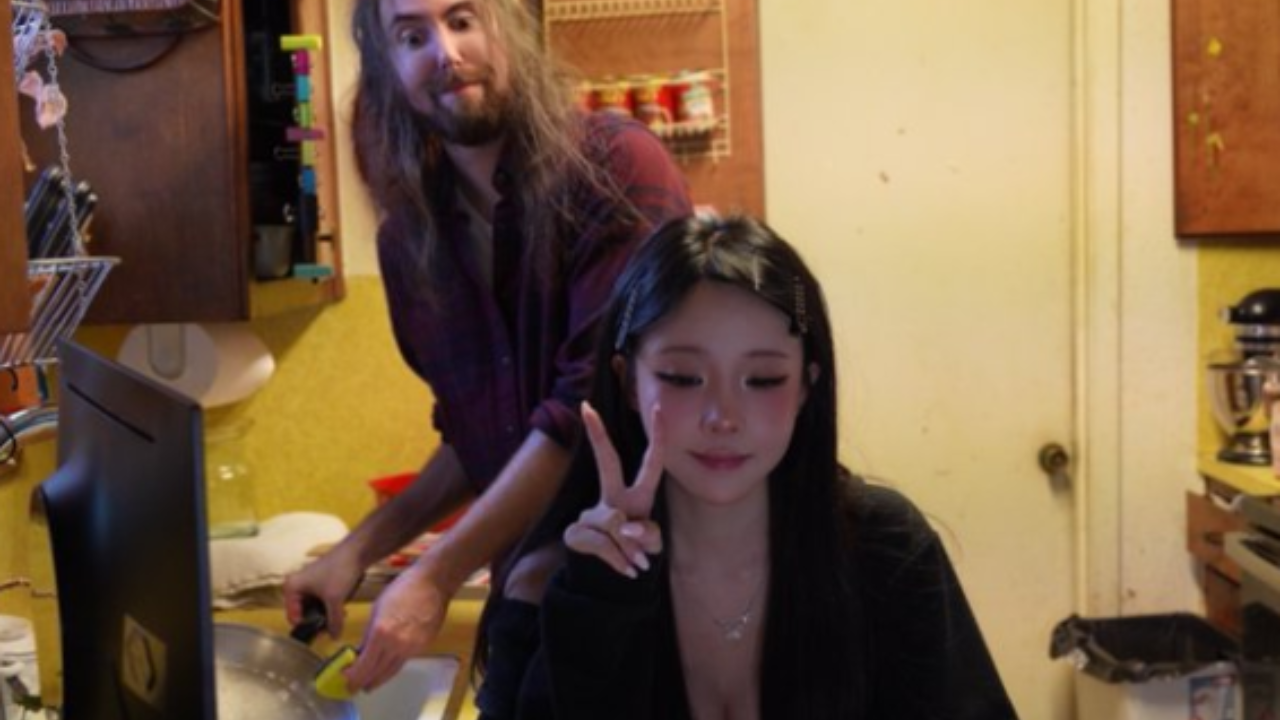
The outrage machine spun up right on schedule. A clip goes viral, a streamer’s girlfriend pulls a bug part out of a refrigerator, and every clickbait outlet on the internet rushes to publish the exact same sanctimonious lecture. They frame it as a shocking hygiene catastrophe, a horrifying glimpse into creator culture, and a cautionary tale about living conditions in the top tier of live streaming.
They are missing the entire point of how modern internet attention works.
What mainstream commentators view as a personal failing is actually the core engine of creator longevity. The reaction isn’t genuine disgust; it is a carefully calibrated cultural ritual. By focusing on the superficial gross-out factor, entertainment media entirely overlooks the psychological mechanics that keep millions of viewers glued to a screen for eight hours a day.
The Parasocial Mirage of Perfection
Most digital media strategy still operates under a decade-old assumption: audiences want aspirational content. They think viewers tune in to see pristine setups, manicured lives, and frictionless living spaces.
That model works for Instagram. It fails completely on Twitch.
Live streaming thrives on intimacy, and intimacy requires flaws. When an audience spends thousands of hours watching someone eat, sleep, and game in real time, perfection becomes an obvious fake. The moment a creator tries to maintain a polished facade, the audience senses the corporate distance and checks out.
I have watched talent managers spend hundreds of thousands of dollars trying to clean up messy creators, forcing them into hyper-curated environments with professional lighting and pristine studios. Almost every single time, engagement tanks. Why? Because you stripped away the exact low-barrier authenticity that built the community in the first place.
When a bizarre domestic moment happens on live camera—like finding a cockroach head in a food container—it serves three distinct operational functions:
- Validation of the Viewer: It lowers the pedestal. Viewers feel superior to the millionaire on screen, creating an immediate, comfortable sense of equity.
- Algorithmic Fuel: Raw, unplanned chaos drives chat velocity higher than any planned event ever could.
- Community Lore: It turns a generic Tuesday broadcast into a persistent meme that gets referenced for months, deepening audience retention.
The Economy of Unfiltered Domesticity
Let us dismantle the main question people keep asking: How can someone with massive financial resources live like this?
The question itself reveals a total lack of understanding regarding high-frequency content creation. Streaming full-time is an immersion tax. To maintain a position at the top of the directory, creators trade standard domestic infrastructure for absolute focus on broadcast output.
It is not a matter of whether a streamer can afford a cleaning service or a new refrigerator. It is a fundamental choice to ignore offline maintenance in favor of digital presence. The clutter isn't a failure of lifestyle; it is a visible artifact of hyper-focus on a singular task.
Consider the baseline mechanics of live broadcasting:
| Factor | Traditional Media Production | Top-Tier Solo Live Streaming |
|---|---|---|
| Pacing | Scripted, edited, scheduled weeks ahead | Unscripted, continuous, instantaneous |
| Audience Relationship | One-way broadcast, high distance | Real-time interactive, zero distance |
| Value Metric | Polish, production budget, narrative arc | Presence, raw access, community banter |
| Environmental Priority | Controlled set hygiene and lighting | Functional broadcast hardware over everything |
When traditional outlets cover streaming incidents, they evaluate a live-streaming environment using traditional media standards. They see an unwashed dish or a bug as a sign of decay. In reality, the audience views it as proof of life.
The Outrage Cycle Is the Product
The media’s reaction to these clips isn't passive reporting; it is active participation in an ecosystem they pretend to despise.
Outlets write about these moments with framed moral superiority because it guarantees two revenue streams: primary clicks from casual observers looking to judge, and rage-clicks from the creator's fanbase defending them.
The contrarian truth is simple: the streamer doesn't lose when these stories break. The media doesn't lose either. The only party losing is the consumer who takes the outrage at face value.
Imagine a scenario where a top-tier broadcast platform enforced strict, clean-set rules on all partner channels. Every room must be swept, every kitchen tidy, every background sanitized for brand safety. Within three months, viewer retention would plummet across the board. The platform would feel like a late-night home shopping channel instead of a virtual hangout spot.
The chaos is the feature, not the bug.
The Hard Cost of Total Authenticity
This strategy is not without severe operational risk. Relying on unvetted, raw domesticity as a content driver carries real downsides that most commentary completely ignores:
- Brand Safety Ceiling: Mainstream corporate sponsors with strict PR guidelines will pull out immediately when unhygienic conditions go viral.
- Burnout Acceleration: Blur the line between personal space and broadcast stage completely, and you eliminate any safe harbor for mental recovery.
- Escalation Traps: Once the audience gets used to baseline domestic absurdity, the threshold for what constitutes "entertaining chaos" keeps rising.
Despite those trade-offs, attempts to sanitize live streaming continue to fail because the market has already spoken. Audiences do not log on to watch an idealized version of adulthood. They log on to find a space that feels real, chaotic, and unpretentious.
Stop expecting live streaming to look like a cable television set. The mess isn't an accident waiting to be fixed—it is the foundational architecture of the medium.


