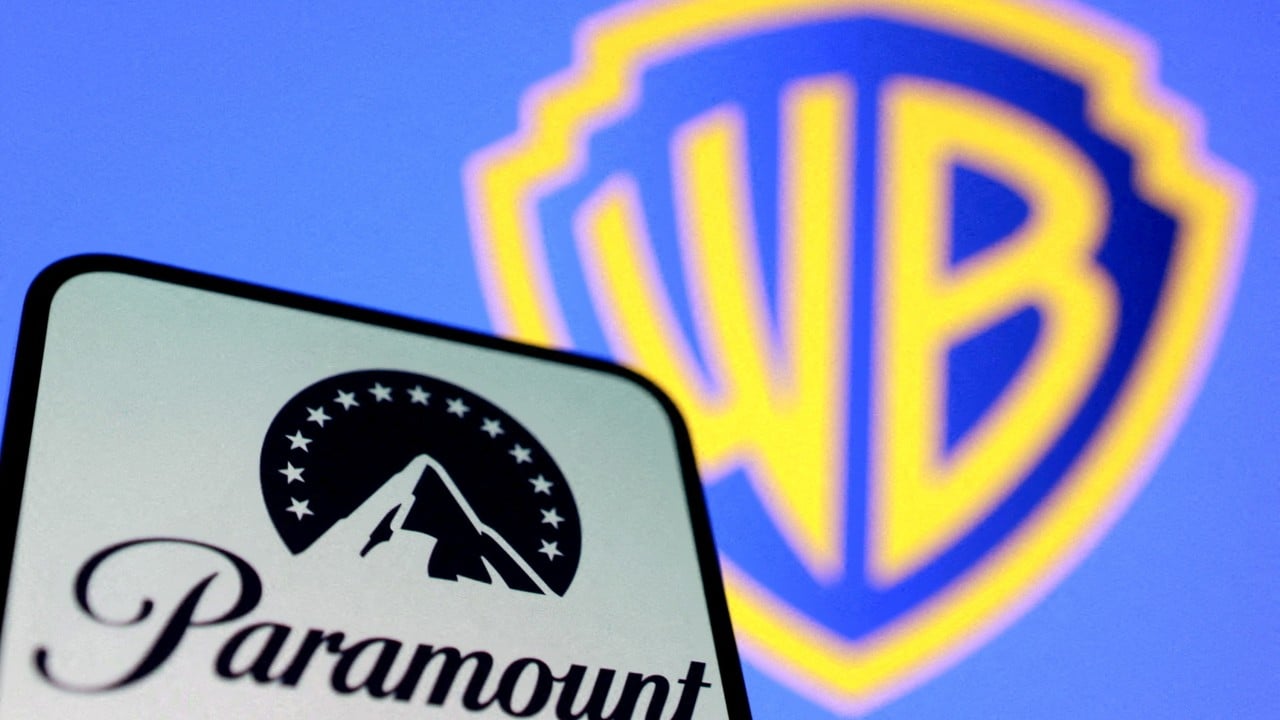
Mega-mergers usually die slow deaths in regulatory committee rooms. But the United Kingdom just threw a wrench into that script. British antitrust watchdogs officially cleared Paramount Skydance in its massive acquisition of Warner Bros. Discovery.
If you think this is just standard corporate paperwork, look closer. This massive green light creates a sharp divide between international regulators and domestic critics. The deal carries a staggering price tag of 111 billion dollars including debt.
Let's break down what actually happened, why British officials stepped aside, and what this means for the future of entertainment.
How the UK Clearances Unfolded
The Competition and Markets Authority wrapped up its Phase 1 investigation without launching a brutal Phase 2 roadblock. The regulator decided the combined studio will still face intense pressure from Universal, Disney, Sony, and smaller independent players in the theatrical market.
At the same time, the Department for Digital, Culture, Media and Sport chose not to issue a Public Interest Intervention Notice. Culture Secretary Lisa Nandy previously expressed concern over media plurality and broadcasting control.
Rather than blocking the transaction outright, the government negotiated a binding deed of covenant. Paramount agreed to several strict rules to protect British media assets:
- Channel 5 retains its public service broadcasting license and complete editorial independence.
- Linear broadcast channels will not merge with on-demand streaming applications in the region.
- Children's networks like Nickelodeon and Cartoon Network stay operationally distinct.
- News rooms for Channel 5, CNN International, and CBS News remain entirely separate.
These concessions satisfied British leadership. They wanted local jobs, distinct children's programming, and protected newsrooms. Paramount gave them those guarantees in writing.
The Contrast With the United States Legal Battle
While London handed over a victory, Washington remains a battlefield. Twelve US state attorneys general, led by California, filed an antitrust lawsuit to block the exact same merger.
Those state officials argue that combining these two Hollywood giants will crush competition and hurt consumers. Paramount executives immediately seized on the British and European Commission clearances to punch holes in that domestic lawsuit.
Paramount called the US state claims misguided and built on gerrymandered market definitions. A federal judge recently scheduled an antitrust trial for March 2027. Executives insist the transaction will ultimately cross the finish line despite the courtroom drama.
What This Means for Viewers and Industry Watchers
Consolidation in media scares people. Actors, writers, and unions worry about massive job losses when corporate giants swallow each other whole. High-profile British talent previously penned open letters warning that the merger would inflict severe damage on local arts and crews.
Yet global economics tell a different story. Traditional studios face relentless pressure from technology giants and tech-funded streaming platforms. Companies need scale to survive.
The UK approval marks the 66th jurisdiction worldwide to clear or wave through the transaction. European regulators cleared the path weeks prior.
Keep an eye on the upcoming US court dates. If foreign regulators believe competition remains healthy enough to allow the deal, domestic courts will face heavy pressure to justify a total block. Check your entertainment subscription bundles and studio lineups over the next year because the landscape of modern media is shifting beneath our feet.