When news breaks that a patient in a UK hospital is undergoing testing for potential Ebola exposure, headlines tend to spiral immediately. People hear the word Ebola and instantly picture catastrophic film scenarios. That reaction is completely understandable given the deadly history of the virus in West Africa and Central Africa. But the reality of how high-consequence infectious diseases are handled in high-income healthcare systems like the NHS is vastly different from the public narrative.
If you are tracking these reports, the short answer is simple. The UK has strict, highly refined protocols for isolating potential cases long before a single diagnostic lab test comes back positive. Most isolated patients end up testing negative for Ebola and positive for far more common tropical infections like malaria. When a potential case does arise, public health agencies act fast to contain any hypothetical risk. If you enjoyed this post, you should read: this related article.
How Hospital Isolation Protocols Actually Work for Rare Tropical Fevers
The moment a patient presents to a UK emergency room or specialist clinic with a fever after traveling to an endemic area, alarm bells ring in the triage system. Doctors don't wait for a confirmed diagnosis. They act right away.
Specialist units across the UK, such as the Royal Free Hospital in London or the Royal Liverpool University Hospital, maintain dedicated High Consequence Infectious Diseases (HCID) facilities. These specialized rooms use negative pressure ventilation. That means air flows into the room when the door opens, preventing airborne particles or droplets from drifting out into general corridors. For another perspective on this story, check out the latest coverage from CDC.
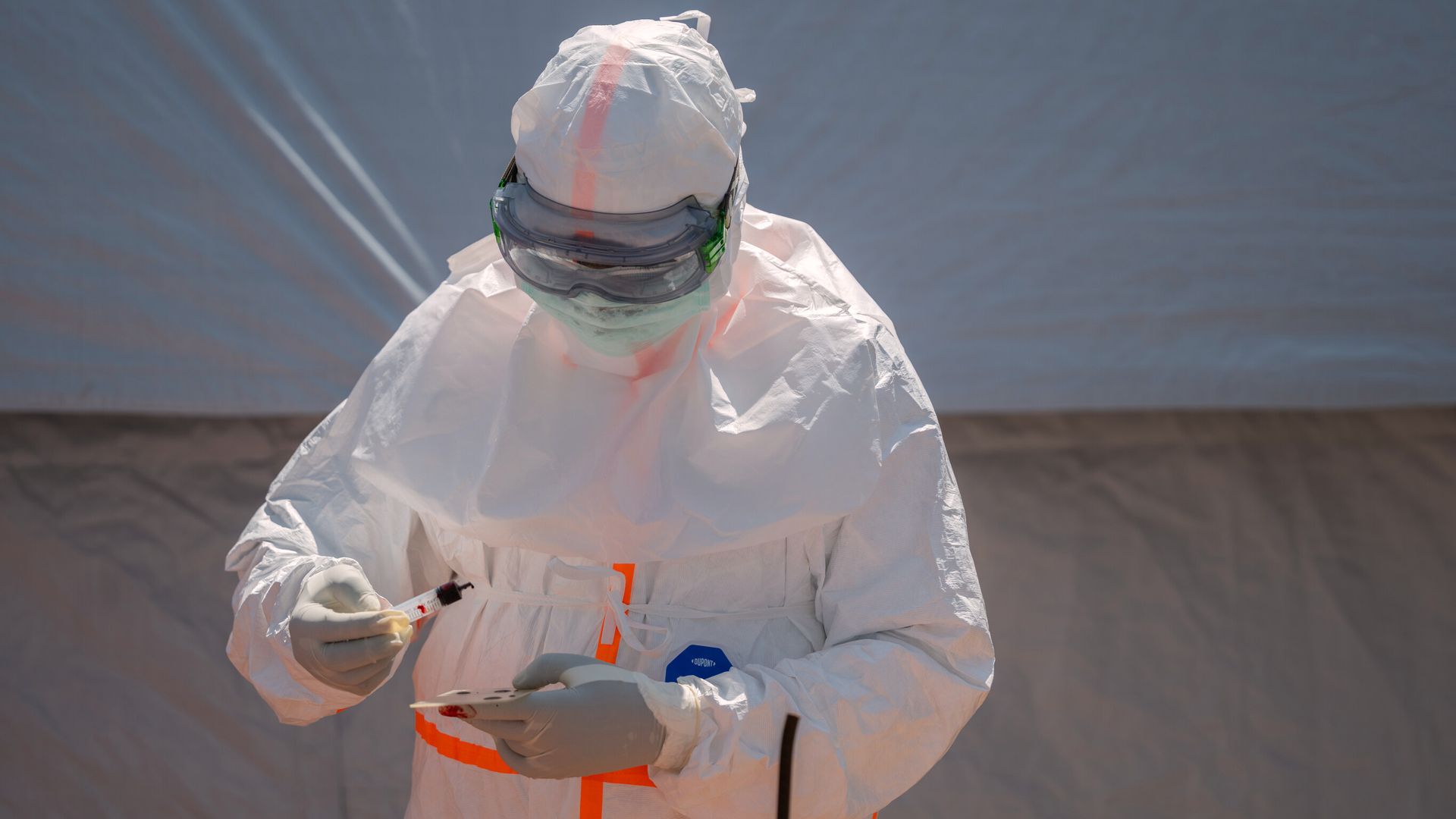
Staff wear full personal protective equipment (PPE), including fluid-resistant suits, hood respirators, and double gloves. This isn't because the virus spreads easily through the air. Ebola transfers through direct contact with blood, bodily fluids, or contaminated surfaces. Healthcare providers wear heavy gear simply because healthcare workers face the highest exposure risks when treating severely ill patients.
While a patient rests in an isolation ward, blood samples are sent under secure transport to specialized testing facilities, such as the UK Health Security Agency (UKHSA) laboratories at Porton Down. Polymerase Chain Reaction (PCR) testing confirms or rules out the presence of the virus within hours.
The Reality of Ebola Transmission Dynamics and Public Exposure Risk
The public often fears that a single potential case on UK soil means widespread community risk. Medically speaking, that concern stems from confusing Ebola with respiratory viruses like influenza or SARS-CoV-2.
Ebola is not airborne. An infected person cannot spread the virus simply by walking down a street or sitting in a coffee shop. Transmission requires direct physical contact with bodily fluids from a person who is showing symptoms.
Crucially, individuals infected with Ebola are not contagious during the incubation period, which typically lasts anywhere from 2 to 21 days. A person infected with the virus only becomes contagious once fever, severe fatigue, muscle pain, and headache begin. As the illness progresses, viral load increases significantly. This biological reality makes community transmission in countries with developed sanitation and public health infrastructure extremely low.
When a potential exposure occurs overseas—often involving healthcare volunteers, aid workers, or researchers—public health officials map out their contact history. If an individual returns to the UK feeling unwell, contact tracing begins immediately to track anyone who made direct physical contact with the patient after symptoms appeared.
Malaria Remains the Primary Suspect in Returned Travelers
When someone returns to the UK from West or Central Africa with a sudden fever and muscle aches, doctors evaluate several potential pathogens. Ebola sits at the top of the urgency list due to its high mortality rate, but malaria sits at the top of the probability list.
Every year, thousands of travelers return to Europe with imported malaria cases. The symptoms of early-stage malaria closely mirror early viral hemorrhagic fevers: high body temperature, chills, intense headaches, and severe exhaustion.
Because initial symptoms overlap so heavily, UK infection specialists routinely treat every suspicious fever from endemic regions as a potential high-consequence threat until lab results rule out deadly viral pathogens. The protocol requires extreme caution.
Doctors order rapid diagnostic tests for malaria alongside PCR testing for viral hemorrhagic fevers. In the vast majority of UK hospital isolations involving returning travelers, the fever turns out to be Plasmodium falciparum malaria or another tick-borne or mosquito-borne infection rather than Ebola.
Medical Countermeasures and Modern Treatments for Viral Hemorrhagic Fevers
Back in 2014, when major outbreaks highlighted global vulnerabilities, medical options for treating Ebola were scarce. Care consisted almost entirely of supportive therapy like intravenous fluids, electrolyte replacement, and maintaining blood pressure.
Today, the clinical landscape looks dramatically different. Monoclonal antibody treatments have reshaped how clinicians handle confirmed cases. Treatments like Inmazeb (a combination of three monoclonal antibodies) and Ebanga (a single monoclonal antibody) target the glycoprotein on the virus surface, blocking it from entering host cells.
In clinical trials conducted during outbreaks in the Democratic Republic of the Congo, these targeted antibody therapies significantly reduced mortality rates when administered early in the course of infection.
Vaccines offer another layer of protection. The Ervebo vaccine, approved by international regulatory bodies, protects against the Zaire ebolavirus species. Health agencies deploy this vaccine in ring-vaccination strategies in outbreak zones, vaccinating contacts and contacts-of-contacts to extinguish transmission chains. Health workers handling suspected cases in Western hospitals also benefit from these preventive tools and clear guidelines.
What You Should Do If You Are Traveling to Affected Regions
If you are traveling to or returning from regions with active viral hemorrhagic fever outbreaks or endemic tropical diseases, simple precautions protect both your health and the health of those around you.
First, check travel health advisories from official bodies like the UKHSA or the World Health Organization before booking trips to central or west African nations. Ensure you take prescribed malaria prophylaxis correctly, as malaria poses a far more frequent danger to international travelers.
Second, avoid contact with wild animals, particularly fruit bats and non-human primates, which serve as natural reservoirs for several zoonotic viruses. Avoid consuming raw or improperly cooked bushmeat.
Third, if you develop a fever, chills, or unexplained fatigue within 21 days of returning from a region experiencing infectious disease outbreaks, contact national health services immediately by phone before visiting a clinic or emergency room. Phoning ahead allows medical teams to prepare appropriate isolation facilities and protection before you step inside the facility, guaranteeing quick care without unnecessary public alarm.
.png?width=1200&auto=webp&trim=0%2C0%2C0%2C0)