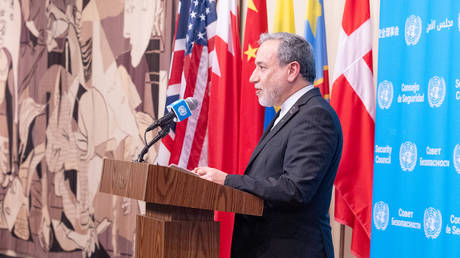
Ukrainian Foreign Minister Andrii Sybiha dropped a line in October 2026 that caught plenty of diplomats off guard. Out of four ceasefire proposals sitting on Kyiv's desk—coming from India, the United States, Turkey, and Egypt—Sybiha singled out New Delhi's pitch as the "most comprehensive". He also noted that India had signaled a willingness to play an active role for the first time.
At first glance, that sounds like standard diplomatic flattery. Kyiv needs friends everywhere it can find them, and New Delhi has spent years walking a tightrope between Moscow and the West. Look closer, though, and Sybiha's remark points to something real. India didn't offer a vague speech about peace. It bundled together the exact issues—energy grids, ports, and merchant ships—that neither Moscow nor Kyiv can afford to ignore forever.
What Makes India’s Truce Plan Different From the Rest
Most wire stories treat Sybiha's comment like a scoreboard update. India gets first place, the US gets second, Turkey and Egypt trail behind. That misses the whole point of why the four proposals look so different on paper.
When Sybiha laid out the four options in early October 2026, the contrast jumped right off the page:
- The United States focused mainly on an energy ceasefire—halting strikes on energy infrastructure.
- Turkey and Egypt concentrated heavily on a Black Sea food truce to keep grain moving.
- India combined energy infrastructure protection, Black Sea grain and energy transit through ports, and a separate commitment to stop attacks on commercial vessels and seafarers.
That combination matters. Kyiv has made it clear that if it agrees to a partial truce, energy and Black Sea security have to move together. A deal that stops missile strikes on power plants while ships still get hit in the Black Sea leaves Ukraine exposed. Conversely, a grain-only corridor doesn't stop winter blackouts across Ukrainian cities. India's package bridged those tracks instead of treating them as separate favors.
I've watched plenty of mediation pitches die because they tried to solve everything at once—border lines, security guarantees, reparations, the whole kitchen sink. India went the other way. It didn't try to redraw maps. Instead, it grouped practical economic and civilian choke points into a single package.
Why New Delhi Suddenly Stepped Closer to the Table
For years, India's line on the war was predictable: stay neutral, urge dialogue, buy discounted Russian crude, and avoid getting pulled into formal mediation. Even now, Indian officials are careful not to call New Delhi a formal "mediator". Ministry of External Affairs spokespeople prefer to say India has been carrying ideas and maintaining high-level contact with both sides.
So why shift now? Self-interest, mostly—and I mean that in a plain, unsentimental way.
First, the war started hitting Indian nationals directly. Attacks on commercial ships in the Black Sea endangered Indian sailors aboard merchant vessels. On top of that, reports surfaced of Indian citizens recruited into the Russian military, forcing New Delhi to push for discharges and track down missing men. Diplomacy stops being theoretical when your own citizens are caught in the crossfire.
Second, energy and trade pressures kept piling up. Even as Washington rolled out or paused sanctions pressure—such as the 60-day waiver around the Sanctioning Russia and Iran Act of 2026—New Delhi's exposure to Russian crude, bilateral trade targets, and food market volatility stayed front and center. A quieter Black Sea and fewer strikes on energy facilities help keep global prices from spiking.
Third, there's timing. Indian External Affairs Minister S. Jaishankar visited Kyiv in early September 2026, right after Prime Minister Narendra Modi met Russian President Vladimir Putin on the sidelines of the Shanghai Cooperation Organization summit in Kyrgyzstan. Modi had already pressed Putin to move from "endless war" to an end to the war. Jaishankar carried concrete ideas to Kyiv shortly afterward.
The Catch Nobody Should Ignore
Calling a proposal "most comprehensive" is not the same thing as getting signatures on a ceasefire.
Let's be honest about where things stand. Neither Moscow nor Kyiv has signed off on India's framework as a binding truce. Russia has spoken positively about India's diplomatic engagement—largely because Moscow trusts New Delhi far more than Western capitals. Yet Putin has repeatedly rejected ceasefire proposals that don't align with Moscow's broader demands, even after complaining publicly about refinery strikes trimming Russian GDP.
Meanwhile, Ukraine has its own red lines. Sybiha stressed that Kyiv is open to different formats, including an unconditional ceasefire along the front line, provided energy and port protections happen in tandem. Even when a US-backed energy truce was floated in October 2026, it unraveled within a week. Fragile deals collapse fast when trust is zero.
There's also a structural limit to India's approach. By focusing on ships, grain, and energy infrastructure, New Delhi deliberately parked the hardest questions—territory and long-term security guarantees—to the side. That's smart if your goal is to stop winter blackouts and keep Odesa, Chornomorsk, and Pivdennyi moving farm exports. It won't end the war on its own.
What People Get Wrong About India’s Role
A common take online is that India is trying to replace the United States or Europe as the main peace broker. That doesn't match what's actually happening.
Washington still holds the heaviest leverage through weapons, intelligence, sanctions, and direct talks—including US-mediated track discussions with Russian and Ukrainian officials in Abu Dhabi in November 2026. India isn't sitting at the center of those trilateral talks.
What India can do is act as a backchannel that doesn't trigger automatic suspicion in Moscow. Think of it less like a referee blowing a whistle and more like a courier who can walk into both rooms without getting searched at the door. When talks in Abu Dhabi stall over territorial concessions or security guarantees, narrow sector-by-sector ideas—like protecting merchant ships or power grids—become the easiest place to test whether either side is serious.
How to Read the Next Round of Headlines
If you're tracking this story over the coming weeks, skip the loud rhetoric from politicians and watch three concrete markers instead:
- Watch port and vessel incidents in the Black Sea. Talks mean very little while commercial ships and port facilities keep taking hits.
- Look for bundled language, not one-off pledges. Kyiv has made clear it wants energy and Black Sea protections paired together, not cherry-picked.
- Separate "willingness to engage" from "agreed terms." New Delhi talking to Kyiv and Moscow at the highest level is real progress, but until both capitals accept verification and enforcement rules, every proposal stays on paper.
Sybiha's praise of India's proposal shows how hungry diplomats are for a workable middle ground. Whether that package actually stops a single drone or missile still comes down to Moscow and Kyiv.
Ukraine Reveals 4 Russia Ceasefire Proposals
This video directly covers the four ceasefire offers Ukraine received and highlights why India's proposal stood out in the coverage.