The medal is a small piece of metal and ribbon, but it weighs as much as history itself. When the Order of the White Eagle is placed around a leader’s neck, it signifies an unbreakable bond, a shared understanding of survival against a predatory neighbor. For a long time, that bond between Poland and Ukraine felt forged in fire. Now, it is being dismantled in the sterile rooms of political calculations.
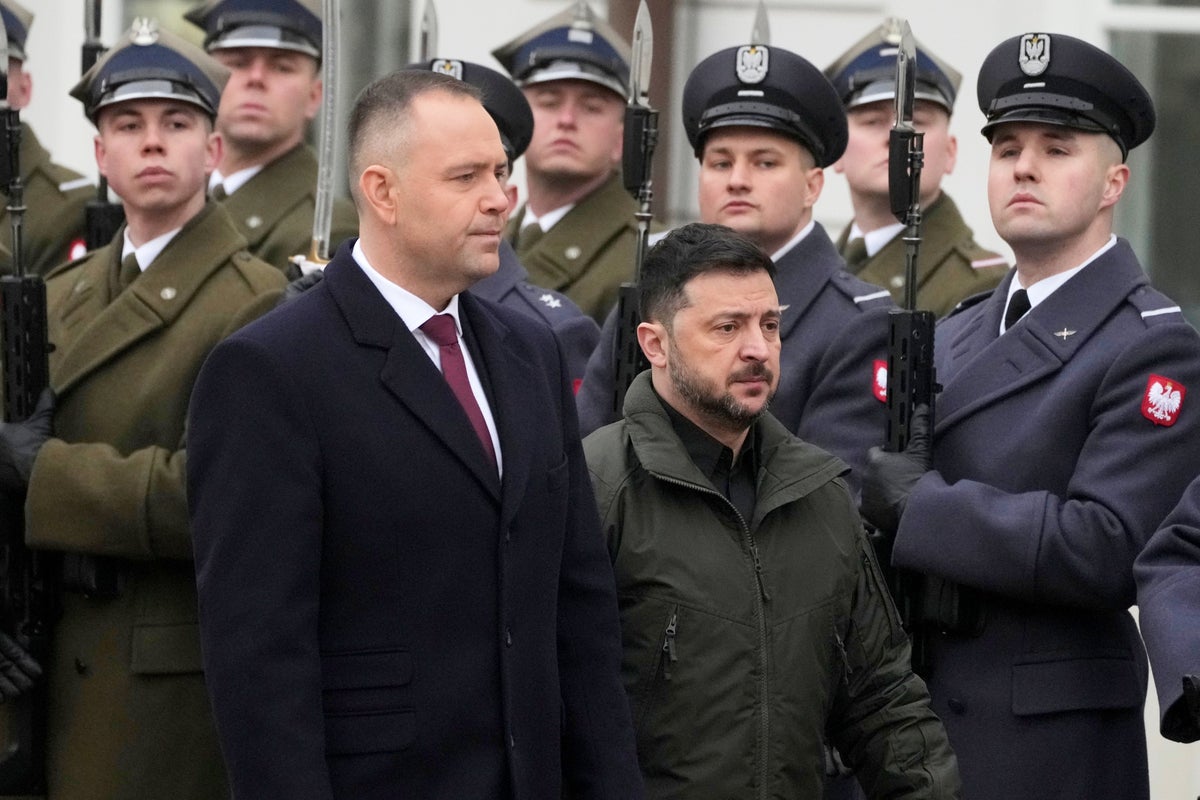
When the news broke that Polish President Andrzej Duda decided to strip Ukrainian President Volodymyr Zelensky of Poland’s highest state honor, it did not just register as a diplomatic dispute. It felt like a fracture in a wall that both nations had built together to keep out the cold. In Kyiv, the reaction from official corridors was not just anger. It was the quiet, bitter sting of betrayal.
Consider the early days of 2022. The world watched with bated breath as Russian tanks rolled toward Kyiv. In those darkest hours, Warsaw did not hesitate. Poland opened its borders, its homes, and its military stockpiles. Polish citizens stood at train stations with warm soup and blankets, welcoming millions of displaced Ukrainians. The political alliance was seamless, driven by a shared existential threat. The Order of the White Eagle presented to Zelensky symbolized that shared destiny. It was a testament to a brotherhood born of necessity and mutual respect.
Then, the political seasons changed.
The friction began where it so often does—in the soil and the marketplace. Cheap Ukrainian grain, diverted from blockaded Black Sea ports, flooded Central European markets. Polish farmers, struggling to protect their livelihoods, blocked border crossings. What started as an economic dispute quickly soured into a political standoff. Rhetoric sharpened. Elections in Poland loomed, and domestic interests began to outweigh international solidarity.
Geopolitics is a brutal ledger. Gratitude depreciates faster than any currency.
The decision to revoke the honor is a calculated political maneuver, a visible signal to a domestic constituency that Poland will put its own interests first. But symbols matter. In diplomacy, they are the language of intent. By stripping Zelensky of the medal, the Polish presidency did not just target a man; it targeted the narrative of unified resistance.
Ukrainian officials expressed profound criticism, viewing the move as a dangerous concession to internal political pressures at the expense of regional security. They argue that eroding the public perception of solidarity only benefits Moscow. The Kremlin thrives on the cracks in the European facade. Every public argument, every revoked honor, and every blocked border post is a victory achieved without firing a single shot.
Imagine the psychological toll on the diplomats who spent years weaving these two nations together. They now watch the tapestry pull apart at the seams. It is a sobering reminder of how fragile international alliances truly are. They are not sustained by history or emotion, but by the continuous, daily alignment of self-interest. When that alignment shifts, even the highest honors can be rescinded like a canceled contract.
The real tragedy is not the loss of a medal. The tragedy is the disillusionment of the ordinary people who believed the rhetoric of eternal brotherhood. The volunteers, the soldiers, and the citizens who saw the Polish-Ukrainian alliance as a permanent fixture of the new European security architecture are left wondering where they stand.
The alliance is not dead, but the romantic era of the partnership is over. What remains is a cold, transactional relationship, stripped of its symbolic warmth. The medal is gone, leaving behind a bare patch of cloth and a lingering question about who will stand together when the next storm arrives.