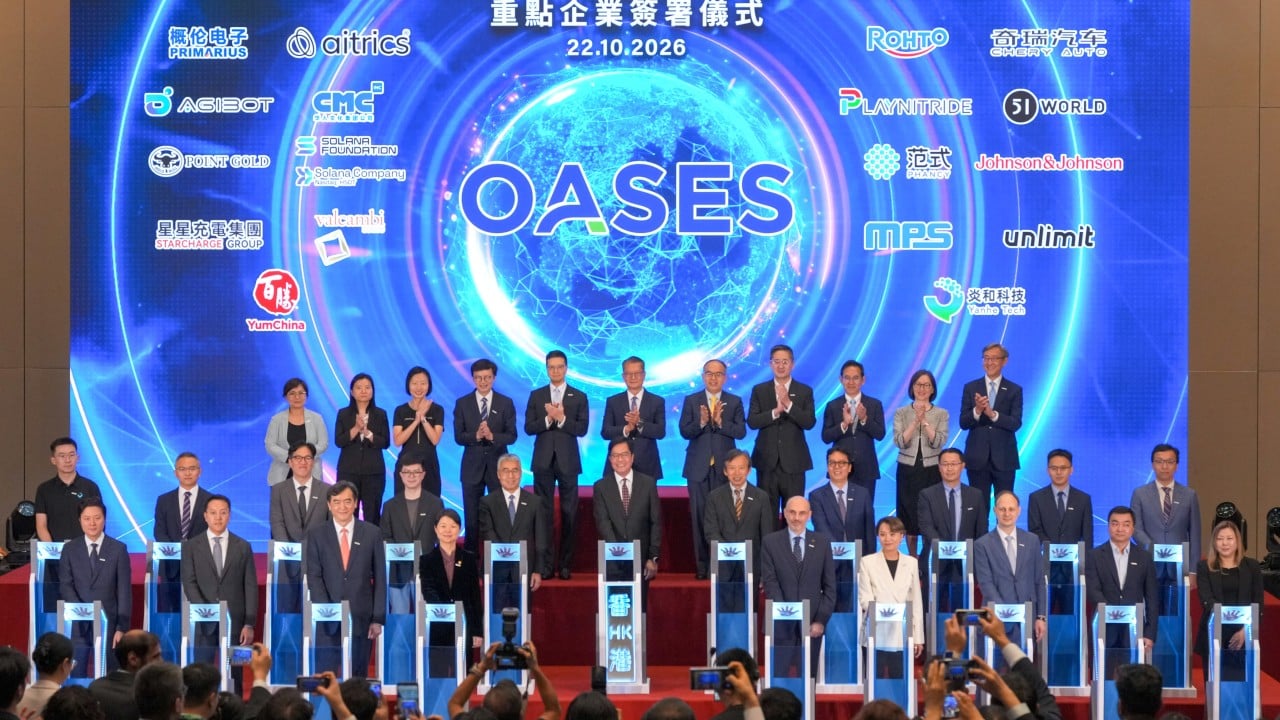
High-level summits make great television. They rarely fix a shipment stuck at customs.
If you run a supply chain, manage regulatory compliance, or oversee operations in either Washington or Beijing, you already know the gap between diplomatic theater and day-to-day reality. Leaders meet under bright lights, pose for cameras, and announce broad commitments that sound reassuring on cable news. Yet on Monday morning, an engineer in Shenzhen or a compliance director in Chicago still faces ambiguous licensing rules, shifting tariff interpretations, and unclear enforcement standards. That is why business groups keep pressing for working-level dialogues between the United States and China. Not because summits are useless, but because summits are too coarse an instrument for technical friction.
I've spent years watching companies get whipsawed by policy swings that looked neat in a press release and messy on a balance sheet. Honestly, the biggest mistake executives make is assuming a handshake at the top translates into predictable rules at the desk level. It doesn't. Trade and industrial policy live in details like export control classifications, data transfer audits, phytosanitary clearances, and local regulatory enforcement. You can't negotiate those over a photo op. You need specialists sitting across from specialists, hashing out definitions before a minor misunderstanding turns into a costly disruption.
Why top-level summits fall short on everyday friction
Summits have a real purpose. They set tone, signal political guardrails, and occasionally open a door that had slammed shut. When tensions run high, having two top leaders state that communication matters can lower the temperature in the room.
Still, expecting a leaders' meeting to clear technical bottlenecks is kinda like expecting a CEO to debug a production outage by giving an inspiring town hall speech. The incentives and time horizons are completely different. Leaders are managing domestic politics, alliance dynamics, and grand strategy. Working-level officials deal with compliance manuals, agency rulemaking, and operational risk.
When working channels are thin or frozen, small problems pile up. A customs officer applies a rule strictly because guidance hasn't been clarified. A supplier delays an order because nobody is quite sure how a new restriction will be enforced next month. By the time a disagreement climbs all the way back up to senior political leaders, it has already become a symbol of rivalry rather than a solvable technical issue.
Business chambers—including groups like the US-China Business Council and the American Chamber of Commerce in China—have consistently pointed out that predictability matters just as much as tariff rates. Companies can plan around a known cost or a clear restriction. What hurts investment most is ambiguity.
What working-level dialogues actually look like when they work
People hear "working-level dialogues" and picture endless, sleepy committee meetings that produce nothing. Sometimes that's fair. Bureaucracies love talking about talking.
Good working-level engagement looks very different. It is narrow, specific, and staffed by people who actually understand the mechanics of the issue. Instead of sweeping declarations about "mutual respect" or "win-win cooperation," effective sessions focus on concrete questions: Which components fall under a specific threshold? How are inspection delays handled? What documentation satisfies a regulatory review without exposing proprietary source code?
Think about how practical problems get solved in global commerce. When customs authorities, agricultural inspectors, or technical standards bodies talk regularly, they build a baseline of shared facts. Even when both governments disagree on broader security or economic goals, clear communication reduces accidental escalations. You avoid crises caused by pure misreading of intent or procedure.
- Clarity on compliance: Businesses get fewer surprise interpretations when agencies explain how rules apply in practice.
- Faster problem-solving: Minor snags in logistics, testing, or licensing get addressed before they freeze entire product lines.
- Better risk assessment: Executives can separate genuine geopolitical red lines from temporary administrative friction.
- Lower chance of miscalculation: Direct contact between technical teams keeps small disputes from spiraling into public standoffs.
Why political pushback makes routine talks hard to sustain
If working-level talks are so sensible, why do they keep stalling or getting branded as "concessions"?
Politics. Pure and simple.
In Washington, any engagement with Beijing immediately gets viewed through the lens of strategic competition. Critics worry that routine dialogues can be used by officials in Beijing to project normalcy while tightening control at home or pressing industrial advantages. In Beijing, officials worry about looking weak or accommodating pressure, and they tie economic engagement closely to broader political grievances.
That creates a classic bind. Officials on both sides often want technical channels open enough to prevent blowups, yet they fear domestic criticism if those channels look too warm or too visible. So talks get delayed, downgraded, or tied to unrelated political demands.
There's also a legitimate debate among policy analysts about whether dialogue alone changes core behavior. Skeptics argue—with some fair evidence—that talking doesn't automatically resolve deep structural disagreements over industrial subsidies, market access, or national security controls. They're right that a working group won't magically erase competing interests. Dialogue isn't a cure-all. It's a shock absorber.
Common misconceptions about US-China business engagement
A lot of commentary around US-China ties swings between two extremes. One side acts like any engagement is naive appeasement. The other acts like business ties can insulate companies from geopolitics forever. Both views miss how things really work on the ground.
First, pushing for working-level talks isn't the same as opposing national security protections. Governments have every right to protect sensitive technologies and resilient supply chains. The practical question is whether those rules are communicated clearly and enforced consistently, or rolled out in a way that creates unnecessary collateral damage for routine trade.
Second, "de-risking" doesn't mean zero contact. Even as many multinationals diversify suppliers, build regional backups, or localize certain operations, China remains a massive manufacturing hub, a major consumer market, and a critical link in global supply chains. Pretending otherwise doesn't make operations safer. It just makes leadership blinder.
Third, business chambers aren't monolithic cheerleaders for the status quo. Member companies have sharply different exposures depending on their sector, size, and whether they sell locally or export. A software firm faces very different pressures than an industrial equipment maker or a consumer brand. When chambers push for regular working-level channels, they're usually trying to keep basic commercial plumbing from clogging up.
What this means if you operate across both markets
You don't have to wait for a breakthrough in Beijing or Washington to adjust how you run your business. You can't control diplomatic calendars, but you can control how prepared your team is when rules shift or talks stall.
Start by mapping where your operations actually depend on cross-border approvals, specialized inputs, or regulatory clarity. Don't rely on broad headlines to judge your exposure. Look closely at specific HS codes, licensing rules, data flows, and supplier tiers.
Stay plugged into credible industry channels that track granular regulatory developments rather than just political commentary. Groups like the US-China Business Council and AmCham China, along with reputable policy trackers like the Center for Strategic and International Studies, often catch practical shifts early.
Build slack into timelines and contracts where regulatory delays are plausible. Keep your compliance and legal teams connected with commercial leads so a sudden policy change doesn't catch sales or procurement off guard. And above all, treat summits as mood music—useful context, never a substitute for working-level clarity.