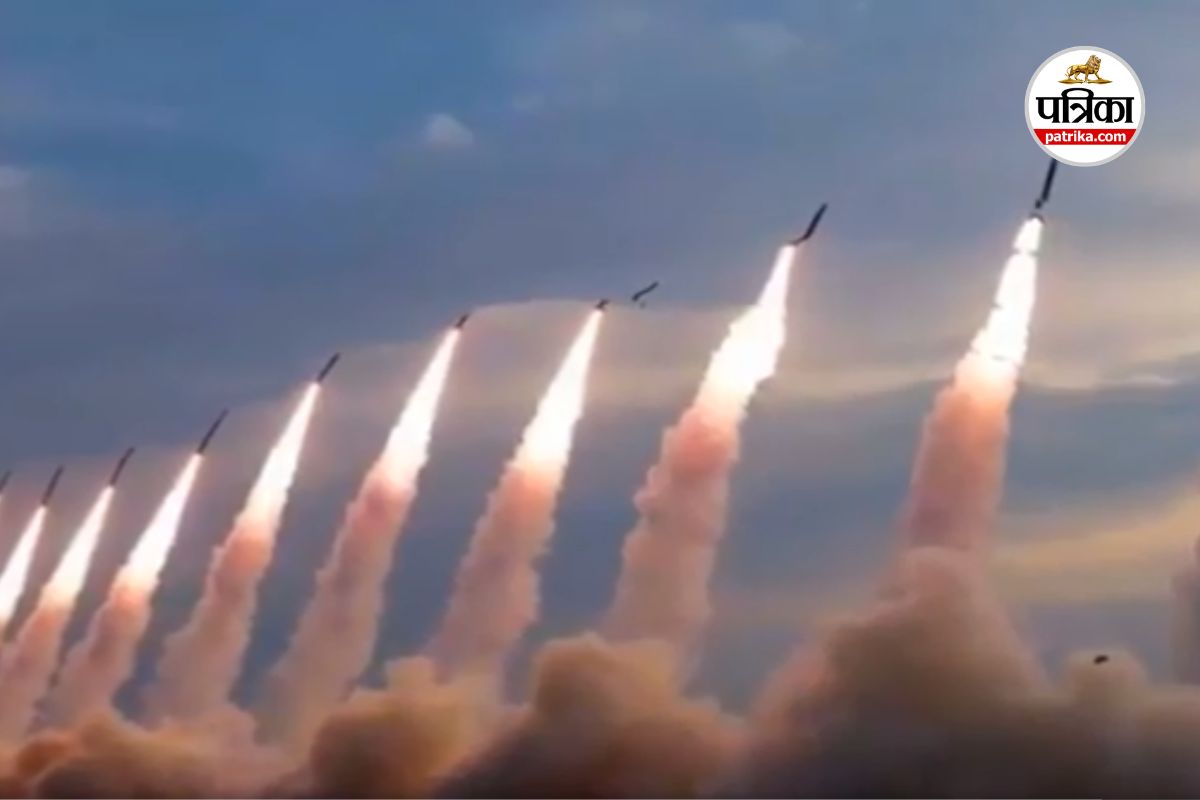
Every single headline right now screams the exact same lazy narrative. The Strait of Hormuz is turning into a maritime killing zone. American jets are allegedly dropping ordnance on Iranian targets, and the Islamic Revolutionary Guard Corps is retaliating by picking off oil tankers like sitting ducks. It is high-octane Hollywood fiction packaged as geopolitical reporting.
I have watched analysts stare at maps for decades, sweating over choke points they couldn't find on a globe without a neon sign. They treat the Persian Gulf like a floating powder keg waiting for a stray match, completely ignoring the structural reality of modern energy economics and naval logistics.
Stop buying the panic. The conventional wisdom about a catastrophic blockade of Hormuz is wrong, the reported strikes are miscontextualized, and the entire theater is built on a foundation of mutual economic suicide that neither Washington nor Tehran wants to execute.
The Choke Point Fallacy
Let us dismantle the geography first. The Strait of Hormuz is narrow, yes. At its tightest point, the shipping lanes are barely two miles wide inbound and outbound. Panic pedblers love this statistic. They use it to paint a picture of total closure, where a few speedboats and anti-ship missiles choke off twenty percent of the world's petroleum supply overnight.
The math does not support the hysteria. I have spent years looking at shipping data and insurance risk matrices. Total closure of the strait is not a tactical move; it is a permanent economic amputation for Iran. Tehran exports the vast majority of its crude to Asian buyers, primarily through this exact corridor. If they mine the channel or sink tankers with impunity, they instantly strangle their own state budget. They cut off the very cash flow keeping their sanctions-battered economy on life support.
When you hear about tankers being targeted or harassed, look past the sirens. These are localized skirmishes, calibrated messaging, and electronic warfare games. They are not the opening salvos of Armageddon. They are tactical negotiations conducted with high explosives and radar jamming.
The AirStrike Mirage
The idea that the United States is casually launching major air strikes across Iran proper in response to tanker skirmishes misunderstands the doctrine of escalation dominance. Washington does not want a land war in Southwest Asia. Pentagon planners know that occupying or systematically bombing Iran makes Iraq look like a weekend camping trip.
When kinetic action happens in this theater, it is surgical, retaliatory, and deliberately bounded. It is designed to send a signal through a specific channel, not to ignite a regional conflagration. The media treats every minor drone intercept or retaliatory pinprick as day one of World War Three because fear sells advertising.
Look at the actual mechanics of the assets deployed. The Fifth Fleet does not patrol the Gulf to start fights; it patrols to maintain a predictable equilibrium. The IRGC operates fast-attack craft for harassment and asymmetric deterrence, not because they plan to engage a carrier strike group in a traditional surface battle. They know how that ends. A single guided-missile destroyer can wipe out an entire flotilla of speedboats before breakfast. Both sides understand these hard limits. That is why the conflict stays at a low boil instead of boiling over.
The Real War Is Not Kinetic
If you are watching the water for the war, you are looking in the wrong direction. The actual friction point between Washington and Tehran is not happening with Harpoon missiles or F-35 sorties. It is happening in currency markets, cyber operations, and shadow banking networks.
Sanctions enforcement, cryptocurrency tracking, and intelligence penetrations are the real battleground. Kinetic strikes make for great cable news footage, but they are symptoms of a political stalemate, not the engine of the conflict. When an oil tanker gets clipped or detained, it is usually tit-for-tat retaliation for a seized cargo vessel carrying sanctioned oil elsewhere in the world. It is maritime property law enforced with heavy artillery.
What the PAA Gets Wrong
Every time tensions spike, the public search queries pivot to the same predictable questions. Is gas going to ten dollars a gallon? Will the strait close permanently? Is direct war inevitable?
The premise of every single one of those questions is flawed. They assume actors are irrational and systems are fragile. Energy markets are far more resilient than panic merchants admit. When regional risk spikes, insurance premiums adjust, rerouting happens, and alternative pipelines like the East-West pipeline in Saudi Arabia pick up the slack. The global economy has built-in shock absorbers that absorb these disruptions long before catastrophe hits.
Direct war is not inevitable because the cost-benefit analysis for both capitals remains decisively negative. A full-scale kinetic conflict destroys Iranian infrastructure, yes, but it also spikes global inflation, wrecks fragile Western recovery metrics, and hands political opponents a golden ticket.
Stop waiting for the strait to close. Stop treating every skirmish like the fall of civilization. The system is designed to bend under pressure, not snap.