When American military forces take direct kinetic action against commercial vessels, the global shipping lane rules rewrite themselves overnight.
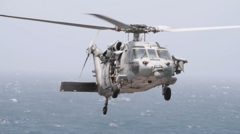
Let's cut straight to what happened. United States military helicopters fired precision missiles to disable a cargo vessel that was actively attempting to break a maritime blockade tied to Iranian interests. It sounds like a dispatch from a Tom Clancy novel, but it's the stark reality of modern geopolitical choke points. Security analysts have watched tensions simmer in these waters for years, but kinetic strikes on transit vehicles cross a heavy line.
You need to understand the mechanics behind this move. Sanctions enforcement rarely looks like this. Usually, it's bureaucratic. Lawyers freeze assets. Coast Guard cutters hail ships and conduct tedious boardings. Bureaucrats argue over manifests in Geneva. This incident skipped the paperwork entirely. Helicopters, missiles, disabled rudders, and stopped engines. The message from Washington was loud, clear, and impossible to ignore.
The Anatomy of a High-Seas Blockade
Blockades aren't new. Navies have choked off ports and straits since the days of wooden sails. What makes the current situation in the Middle East uniquely volatile is the sheer volume of global commerce moving through narrow corridors.
When a vessel tries to punch through an enforced exclusion zone, it's playing a high-stakes poker game with a loaded deck. The ship in question thought it could slip past naval patrols under the cover of commercial traffic. It didn't work.
Military planners use a distinct calculus for these operations. They weigh the diplomatic fallout against the strategic necessity of stopping illicit cargo transfers. Iran's network relies heavily on shadow fleets—aging tankers and bulk carriers switching off transponders, painting over names, and transferring contraband ship-to-ship under the cover of darkness.
If you're tracking global supply chains, you can't ignore the ripple effects. Insurance rates for vessels operating in the region instantly spike. Crews start demanding hazard pay. Some shipping lines reroute entirely, adding days and millions of dollars to transit times between Asia and Europe.
Why Washington Chose Kinetic Force
There's a massive difference between issuing a warning and blowing a hole in a ship's steering gear. Why did the Pentagon escalate?
Diplomatic channels hit a brick wall. When an embargo loses its teeth, enforcement agencies have to reassert dominance or watch the policy collapse entirely. If blockade runners operate with impunity, the entire architecture of economic sanctions crumbles.
Let's look at the operational reality. Commercial ships moving illicit cargo often ignore verbal hails. They refuse to heave-to for boarding teams. Armed security guards on board these shadow tankers sometimes brandish weapons or threaten to ram interceptor craft.
Using helicopter-launched missiles to disable a ship rather than sink it represents a calculated middle ground. It stops the vessel dead in its tracks without sending twenty sailors to a watery grave. It's violent, yes. But it's controlled violence designed to preserve life while neutering the threat.
The Global Supply Chain Fallout
Most people don't think about maritime security until gas prices jump or a container ship blocks a canal. That's a mistake. The global economy runs on thin margins and predictable schedules.
When the US military starts firing missiles at ships breaking blockades, shipping executives panic. Here is what happens next on the ground:
- Marine insurers rewrite policy exclusions for the Persian Gulf and surrounding waters.
- Shipping companies pull out older vessels from suspect routes to avoid asset seizure.
- Port authorities increase inspections on incoming cargo from secondary transshipment hubs.
You're looking at a permanent shift in how risk is priced. Companies that used to gamble on gray-market shipments now realize the United States is willing to use direct kinetic force to shut down these corridors.
Decoding the Strategic Signal to Tehran
Iran watches these moves closely. Every action on the water sends a diplomatic pulse back to Tehran's command centers.
For years, asymmetric warfare favored actors willing to push boundaries just short of triggering a declared war. Speedboats harassing tankers, proxy groups launching drones, shadow fleets moving oil—it was all designed to test Western resolve.
By disabling this blockade runner, Washington shifted the paradigm. The US military made it clear that gray-zone tactics will meet tangible, destructive pushback. It strips away the plausible deniability that Tehran relies on when managing its proxy supply networks.
Critics will argue this risks an uncontrolled escalation. They'll point out that one miscalculated strike could drag multiple regional powers into an open conflict. They aren't wrong. The margin for error is razor-thin.
At the same time, doing nothing carries its own heavy price. Allowing sanctioned goods to flow unchecked signals weakness. In geopolitics, perceived weakness invites bigger challenges.
What Comes Next for Maritime Security
If you run operations that touch international shipping, you need to adjust your baseline assumptions immediately. The old playbook of treating regional waters as stable commercial highways is dead.
Keep a close eye on insurance premiums and naval deployment updates before booking routes through contested zones. Diversify your logistical partnerships to ensure you aren't dependent on single-corridor transit. Expect tighter electronic surveillance and more aggressive boardings across all major strategic checkpoints.
The era of quiet sanctions enforcement is over. The high seas just got a lot smaller, and a lot more dangerous.