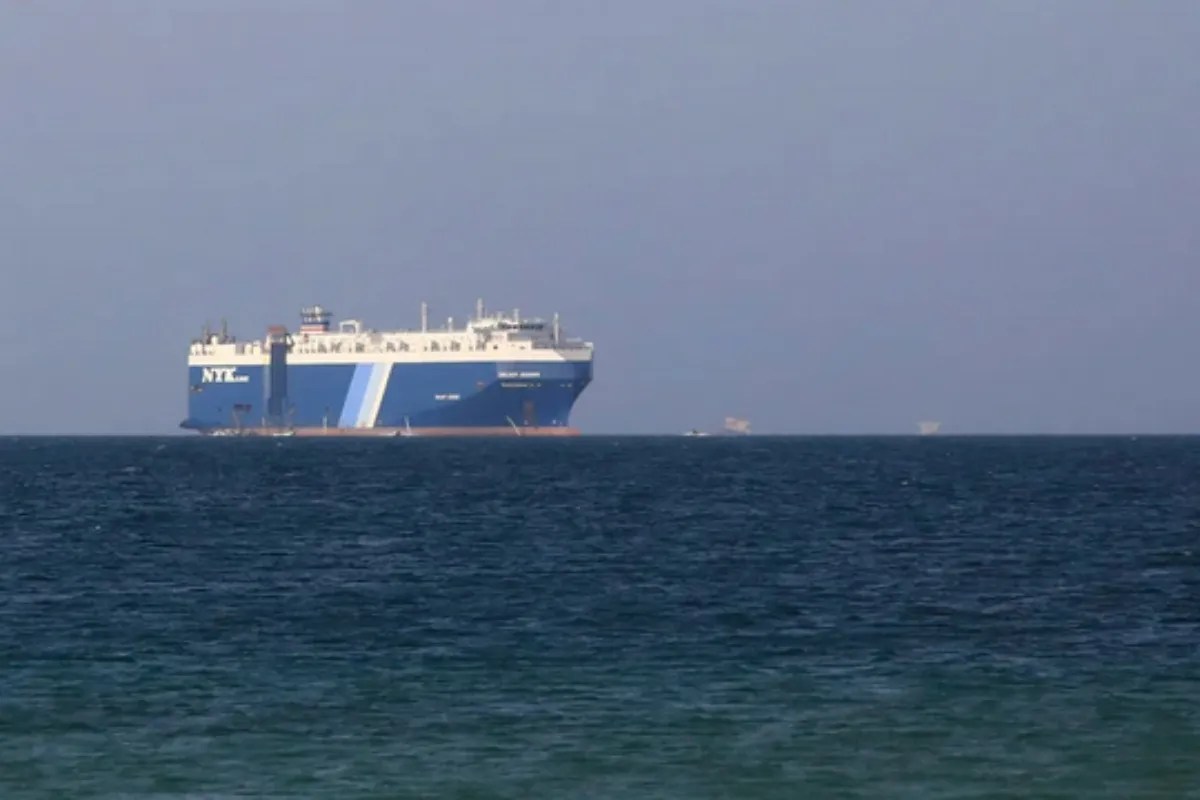
The security situation around the Bab al-Mandeb strait changes by the hour. If you think Washington can completely wash its hands of the Red Sea crisis, you haven't been paying attention to how fragile regional truces actually are. Former CIA analysts and defense strategists have repeatedly pointed out that despite backroom diplomacy and tactical pauses, the underlying pressure points haven't vanished.
When militant groups expand territorial control along vital maritime chokepoints, global supply chains quiver. You're looking at a theater where minor miscalculations can instantly trigger major military responses. Let's break down why American involvement remains a distinct possibility despite current White House reluctance to dive back into a messy Yemen quagmire.
The Strategic Reality of the Red Sea Chokepoint
Geopolitics rarely allows vacuums to persist. When Iran-backed Houthi forces push aggressive territorial expansions—such as seizing strategic coastal territory and offshore islands like Perim—the entire architecture of Middle Eastern maritime security shifts.
Saudi Arabia and regional coalition partners find themselves directly exposed to naval blockades and aerial threats. Riyadh has spent years trying to craft a durable political off-ramp, but military realities often override diplomatic aspirations. When crude oil transit routes and commercial shipping lanes face persistent threats, economic pressure mounts on Western capitals.
You can't separate local territorial grabs from global trade stability. Even when temporary understandings or tacit non-aggression deals are floated in diplomatic hubs like Muscat, enforcement mechanisms remain shaky at best.
Why Intelligence Experts Warn About Forced Intervention
Former intelligence officials who track Middle Eastern asymmetric warfare understand a fundamental truth: restraint has hard limits. Former CIA operatives have noted that while Washington wants to avoid open-ended entanglements, the cost of total inaction can become politically and economically unsustainable.
Consider what happens when regional allies face severe missile depletion and request outside backup.
- Partner nations look to American defense umbrellas for critical deterrence.
- Commercial shipping syndicates demand naval escorts when insurance rates spike.
- Unchecked proxy aggression inevitably invites retaliatory spirals that drag in outside superpowers.
When these factors collide, sitting on the sidelines stops being a viable policy option. Intelligence veterans know that deterrence requires credibility. If local actors test the boundaries too aggressively, Washington faces a binary choice: absorb the strategic loss or re-engage militarily.
What Most Observers Miss About Modern Proxy Warfare
People often look at conflicts like this through a rigid, old-school lens. They expect clear declarations of war or massive conventional invasions. Modern maritime conflict doesn't work that way. It's fought with low-cost anti-ship ballistic missiles, one-way attack drones, and sudden amphibious maneuvers on forgotten islands.
The Houthis have evolved from a localized rebel movement into a sophisticated force capable of disrupting global logistics. They understand how to leverage geopolitical friction between major powers. By offering conditional assurances to some international vessels while keeping pressure on regional adversaries, they play a high-stakes game of divide and conquer.
Yet, this clever balancing act carries built-in risks. All it takes is one catastrophic strike on a high-value energy carrier or an allied naval asset to shatter diplomatic arrangements. When that happens, public outcry in Western capitals usually forces leadership to discard restraint overnight.
Keep a close eye on maritime insurance rates, regional coalition defense pacts, and naval movements around the Bab al-Mandeb strait over the coming months. The surface calm in international headlines hides a volatile reality where the next escalation is just one miscalculated missile launch away.