The air inside the luxury hotels of Dubai does not feel like the desert outside. It is perfectly chilled, scented with expensive oud, and designed to make the world's most volatile geopolitical fault lines feel like distant rumors. For three years, this was the atmosphere of the Abraham Accords. It was a masterpiece of corporate diplomacy. Billion-dollar tech funds changed hands. Direct flights buzzed between Tel Aviv and Dubai. Visas were stamped, handshakes were photographed, and everyone agreed that a new, hyper-modern Middle East had arrived.
But peace built on commerce requires a quiet neighborhood. And the neighborhood just got deafeningly loud. Read more on a connected topic: this related article.
Behind the glittering facade of trade summits and tourism lies a brutal, unspoken reality. Israel is no longer content with a discreet business partnership. Facing an existential multi-front conflict and a hardening regional landscape, Jerusalem is actively pulling the United Arab Emirates out of the shadows and into the blinding glare of a public military alliance. For Abu Dhabi, the comfortable distinction between making money and making war has completely evaporated.
They are in the open now. And there is no going back. More analysis by BBC News delves into comparable views on the subject.
The Fiction of the Separate Peace
To understand how we reached this fracture point, you have to look at how the deal was packaged in 2020. The UAE approached the Abraham Accords with the meticulous calculation of a global venture capital firm. The pitch to its own citizens and the wider Arab world was simple: we can decouple politics from progress. We can trade with Israel, buy their cybersecurity software, and foster a tech boom in the Gulf without endorsing their military campaigns or abandoning the Palestinian cause.
It was a beautiful illusion.
Consider a hypothetical procurement officer in the Emirati Ministry of Defence—let’s call him Tariq. For the past few years, Tariq’s job was seamless. He approved contracts for Israeli-made drone detection systems and AI-driven border surveillance. To Tariq, these weren't political statements; they were just line items in a national security budget designed to protect global shipping lanes and glass skyscrapers. The tech arrived in unmarked crates. The engineers held dual European passports. The friction was zero.
Then the Gaza war erupted, followed by direct missile exchanges between Israel and Iran.
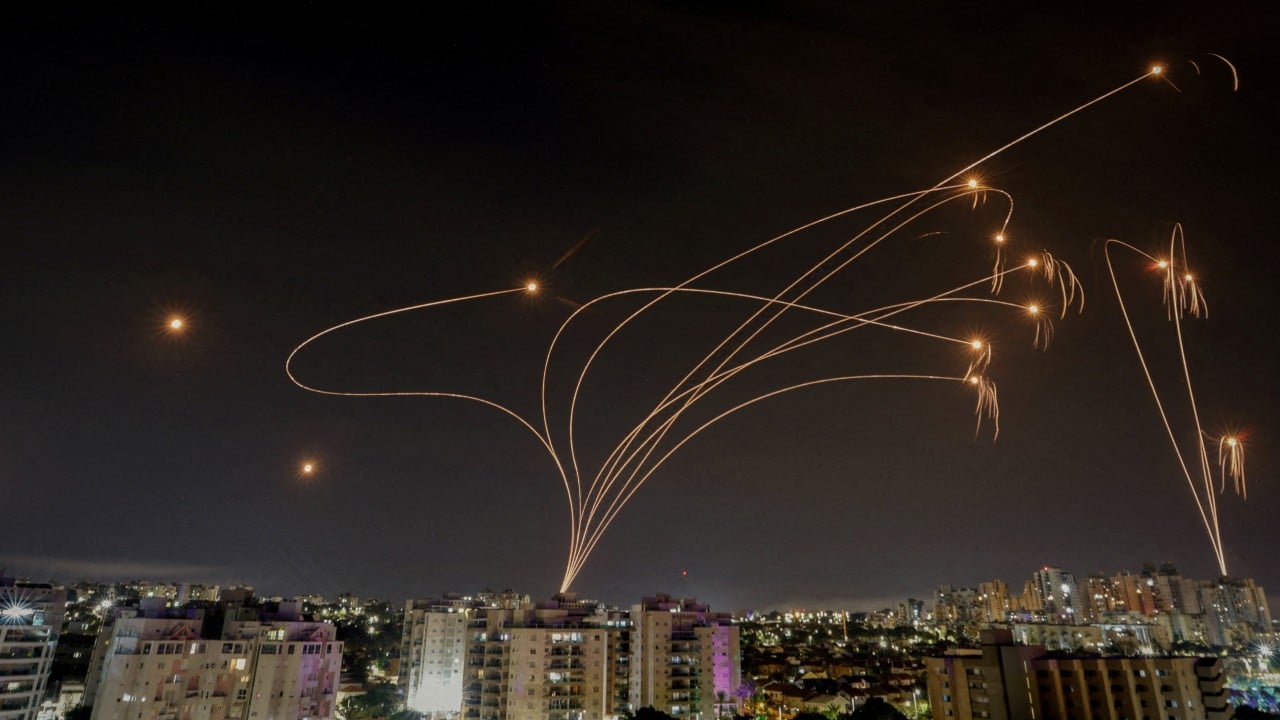
Suddenly, those unmarked crates became a liability. When regional ballistic missiles fly, air defense isn't a private corporate transaction; it is an act of war. Israel’s defense establishment, facing unprecedented pressure, began demanding more than just quiet buyers. They needed active, public integration. They needed shared radar data, coordinated airspace management, and open alignment against Tehran.
Tariq’s line items became a geopolitical target. The quiet, comfortable tech partnership had transformed into a high-stakes military entanglement.
The Drag Factor
Israel's strategy is not born out of malice, but out of sheer, desperate necessity. Survival in a hostile environment requires strategic depth. For decades, Israel lacked that depth. By pulling the UAE into an overt defense relationship, Israel achieves two critical goals. First, it creates a physical, interconnected ring of radar and missile defense sensors stretching from the Mediterranean to the Persian Gulf. Second, and perhaps more importantly, it secures political legitimacy from a major Arab power during a time of intense global isolation.
But what serves as strategic depth for Israel looks like a trap to the UAE.
The Emiratis have spent the last two decades positioning themselves as the Switzerland of the Middle East—a neutral, hyper-prosperous hub where East meets West, and where even bitter rivals can do business. They repaired ties with Tehran. They welcomed Russian capital. They traded heavily with China.
Now, look at the geometry of the trap.
If a regional radar system detects an incoming Iranian drone heading toward Israel, and that data passes through an Emirati server, the UAE is no longer a neutral bystander. They are an active participant in an Israeli military operation. The meticulous balance Abu Dhabi spent billions to maintain vanishes in a microsecond.
The Whispering Rooms of Abu Dhabi
Walk through the financial districts of Abu Dhabi today, and you can feel the sudden drop in temperature. The enthusiasm that defined the early days of the Accords has hardened into a cold, defensive crouch.
Israeli executives who once frequented the lounges of the Burj Khalifa now find their emails answered with polite, bureaucratic delays. Joint ventures are being paused. Public appearances are canceled. The Emiratis are attempting a desperate, tactical retreat back into the shadows. They want the tech, but they cannot afford the optics.
But Israel is pushing back, hard.
Israeli defense officials have become increasingly vocal in international forums, explicitly naming their Gulf partners and praising the "regional coalition" that helped intercept Iranian missiles. Every public thank-you from Jerusalem acts like a spotlight shined directly on Abu Dhabi’s delicate balancing act. It is a deliberate tactic: force the UAE to choose a side, because in the current security environment, ambiguity is a luxury Israel can no longer afford to grant.
This is the hidden cost of relying on sovereign tech and intelligence dependencies. Once you integrate your state's nervous system with a foreign power's defense apparatus, you lose the ability to unplug the wire when things get bloody.
The Illusion of Control
We often treat international relations like a chess game played by bloodless grandmasters. It isn't. It is an incredibly fragile human ecosystem driven by fear, pride, and the deep desire for survival.
The UAE genuinely believed they could control the terms of this engagement. They believed their vast wealth and strategic location gave them leverage over a desperate Israel and an anxious Washington. They miscalculated the fundamental nature of military technology. Weapons systems and intelligence networks are not like consumer electronics. You do not just buy them; you marry the doctrine, the conflicts, and the enemies of the people who built them.
Every missile defense battery purchased from Tel Aviv is an invisible thread tying the fate of Dubai's skyline to the political decisions made in Jerusalem.
The silence from the official Emirati state media is deafening. There are no grand statements denouncing the alliance, nor are there celebrations of its success. There is only the quiet, frantic work of diplomats trying to manage an impossible calculus. How do you stay married to a partner who insists on dragging you into the street for everyone to see, while your neighbors watch from the rooftops with matches in their hands?
The chilled air of the luxury hotels cannot mask the heat rising from the pavement outside. The luxury of privacy is gone. The era of the secret handshake is dead, replaced by a raw, exposed reality where every nation in the region must finally look across the gulf and decide exactly who they are willing to die for.