Some voices do not merely fill a room; they change the gravity inside it.
Picture a living room in the mid-1980s. The floor lamp casts a warm, butter-yellow glow across faux-wood paneling. Outside, the streetlights are just beginning to flicker on against a bruising purple twilight. Inside, the turntable is spinning. A needle drops into a vinyl groove with a soft, anticipatory hiss. Then comes the sound. Silky, rich, unhurried, and carrying an emotional weight that seemed entirely too heavy for someone so young. For a deeper dive into this area, we suggest: this related article.
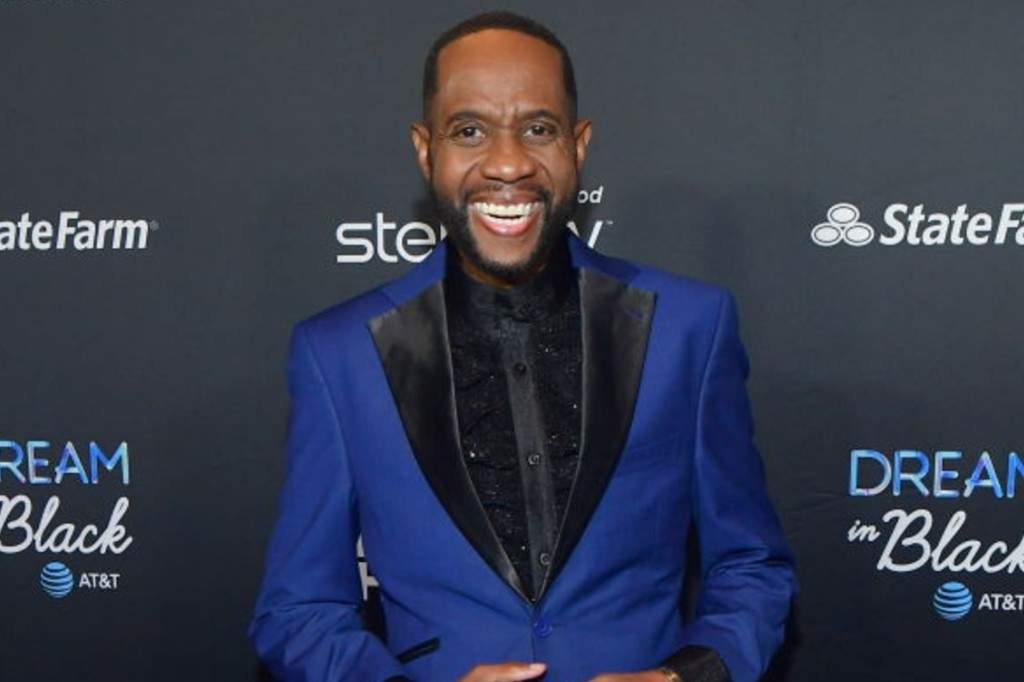
That voice belonged to Freddie Jackson.
When news broke that Jackson had passed away at the age of 69, a collective sigh seemed to ripple across generations who remembered when music was something you sat down and actually listened to. Not played softly in the background while multitasking, but stared at the speakers for, letting the lyrics wrap around your ribs like a warm wool coat on a bitter night. To get more information on this issue, in-depth reporting can also be found on BBC.
To understand Freddie Jackson is to understand an era when soul music was unashamedly tender. In a musical landscape dominated by synth-heavy bravado and high-gloss pop maximalism, Jackson offered sanctuary. He did not sing at you; he sang with you, for you, and sometimes directly into the quietest, most vulnerable corners of your heart.
The Making of a Quiet Storm
Born in Harlem in 1956, Jackson’s earliest education took place in the pews of a Baptist church. That matters. You cannot fake the kind of phrasing he possessed without hours spent standing on worn church carpets, feeling the floorboards vibrate beneath your shoes as a choir swelled behind you. The church teaches you timing, yes, but more importantly, it teaches you conviction. It teaches you that a note is not just a frequency—it is an emotional confession.
By the time he stepped into the recording booth for his 1985 debut album, Just Like the First Time, he brought that sanctuary straight into the secular world.
Think about the sheer audacity of a song like "You Are My Lady."
It was not a track designed for chaotic club floors. It was built for the slow drag, the dim lights, the nervous palms of a high school prom, and the enduring anniversaries of couples who had weathered decades together. When Jackson hit that soaring, effortless falsetto on the chorus, time slowed down.
Music critics of the era often pigeonholed these tracks under the banner of "Quiet Storm"—a radio format tailor-made for late-night introspection, smooth R&B, and romance. But looking back, that label feels almost too casual for the cultural weight those songs carried. This was not just background noise for midnight drives. It was the soundtrack to courtship, heartbreak, reconciliation, and healing in Black communities across America.
A Career Carved in Velvet
Success did not happen by accident, nor did it happen overnight. Before his solo breakout, Jackson honed his craft singing background for Melba Moore, whose powerful voice recognized a kindred spirit. When Moore stepped aside to let him take the lead on a duet, audiences realized immediately that a new force had arrived.
The numbers tell one story: multiple platinum albums, a string of Billboard R&B chart-toppers including "Rock Me Tonight (For Old Time's Sake)" and "Nice 'n' Slow," and Grammy nominations that cemented his status as a premier balladeer of the decade. But charts and plaques miss the human element entirely.
To truly measure Jackson's impact, you have to talk to the people who played his cassette tapes until the magnetic ribbon frayed and warped. You have to listen to the stories of couples who danced their first dance to his records, or teenagers who sat by their bedroom radios waiting hours just for the DJ to spin his latest single so they could press record on their boomboxes.
He inhabited a rare space where vulnerability was strength. In an era when male R&B stars often leaned heavily into an untouchable, hyper-masculine persona, Jackson was entirely willing to sound desperate, devoted, utterly smitten, and unreservedly brokenhearted. He made it cool to care deeply. He made romantic devotion sound like the most important mission on earth.
The Later Years and the Weight of Legacy
Life, of course, does not stop moving just because the hit records slow down. The music industry is notoriously fickle, cycling through trends with ruthless indifference. Styles shifted toward jagged hip-hop beats and aggressive digital production. Yet, true artistry refuses to expire.
In his later years, Jackson faced health battles and the quiet indignities that often accompany aging away from the blinding glare of the constant spotlight. Through it all, he maintained a quiet dignity. When he occasionally returned to the stage, fans did not just see a nostalgia act; they saw a living archive of an era when craft mattered above all else. They saw a man who had given away pieces of his soul to millions of strangers and somehow still had enough left to fill an auditorium with warmth.
When artists like Freddie Jackson leave us, they take a piece of our collective emotional history with them. They take the specific resonance of an era when radio DJs had names we trusted, when albums had gatefold covers we studied like maps, and when a song could heal a fractured relationship over the course of four and a half minutes.
At 69, his journey on this earth has reached its final cadence.
Yet, walk into any backyard barbecue where the older folks are gathered as the sun dips low, or tune into a late-night throwback station when the rest of the world is asleep. Drop the needle. Let the speakers breathe.
Freddie Jackson is still singing. And as long as someone out there is holding someone they love a little bit tighter in the dark, he always will be.