Trust is the currency of elder care. When you hand over the daily safety of a parent or grandparent battling memory loss, you expect absolute protection. You assume background checks mean something. You believe security protocols actually work.
Sometimes, those assumptions fail catastrophically.
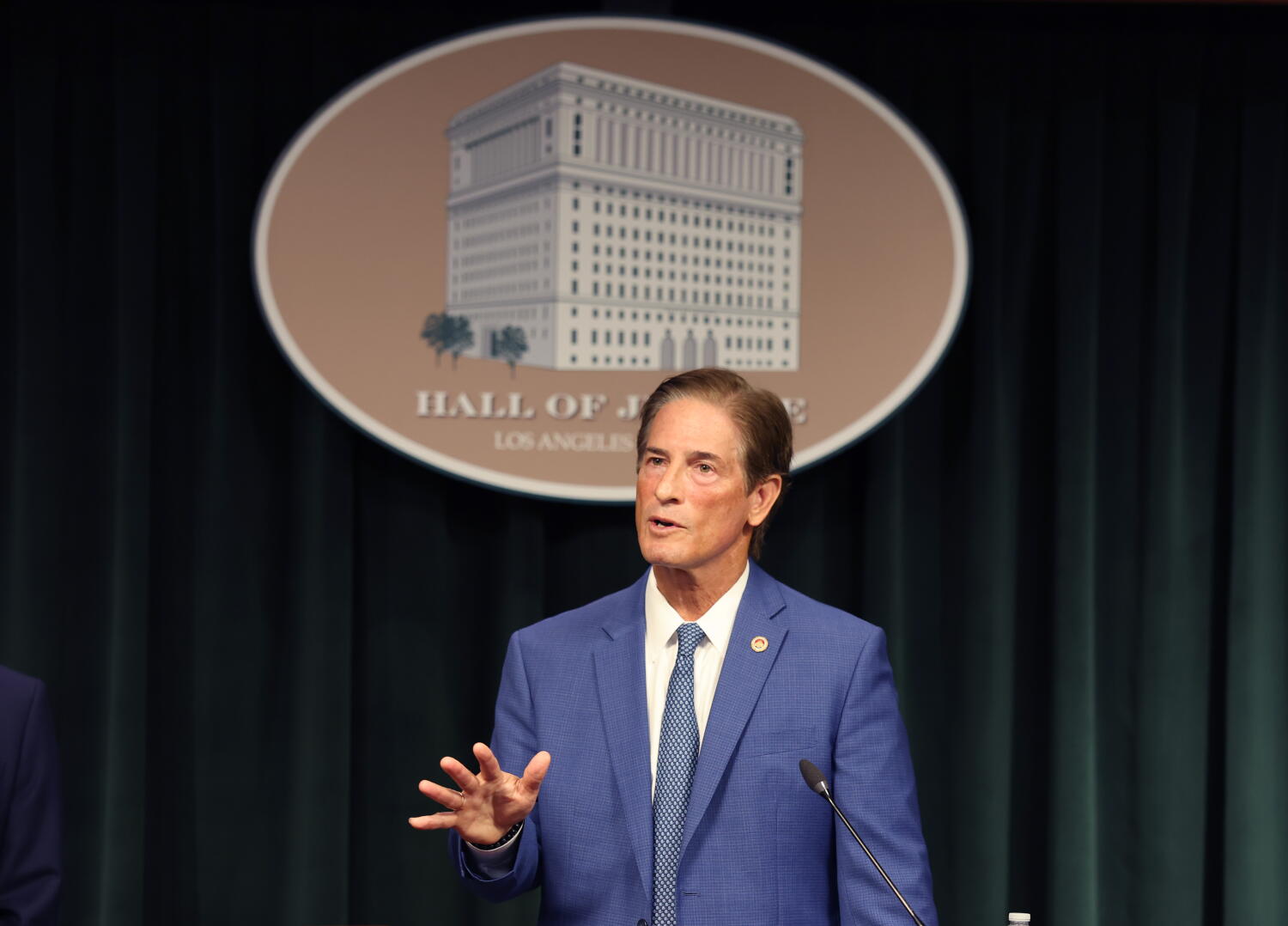
The legal system recently handed down severe prison time for a caregiver convicted of strangling two elderly residents in a memory care facility. Headlines flash, outrage spikes on social media, and then the news cycle moves on. But the fundamental danger facing memory care residents across the country doesn't vanish just because a gavel drops.
The Reality Behind Facility Safety Failures
We need to talk about how easy it is for dangerous individuals to slip through the cracks of the elder care system. Memory care units house some of the most vulnerable people in society. Residents suffering from advanced dementia cannot advocate for themselves. They often struggle to articulate abuse, remember timeline details, or recognize malicious intent.
Predatory workers know this. They exploit the inherent isolation of locked memory care wards.
When a caregiver turns violent, the facility structure itself can inadvertently shield them. Understaffed shifts mean fewer eyes on residents. High turnover rates lead to rushed hiring practices where operators skip crucial reference checks. Background screening flags criminal histories, but it misses warning signs, behavioral shifts on the job, and undocumented abuse.
You cannot rely purely on a clean piece of paper when hiring someone for high-stress elder care.
Spotting Red Flags Before Tragedy Strikes
Families must look beyond glossy marketing brochures and smiling staff during facility tours. Real oversight requires skepticism. Watch the staff-to-resident ratio during off-peak hours, not just during scheduled afternoon visits. Notice if workers seem chronically exhausted, impatient, or detached.
Caregiver burnout is real. It is not an excuse for abuse, but chronic understaffing creates a pressure cooker environment where frustration boils over into cruelty.
Look for these critical warning signs in any facility:
- High staff turnover where the faces change every single week.
- Unexplained bruising, scratches, or sudden behavioral withdrawals in your loved one.
- Staff members who dodge direct questions about daily routines or incident reports.
- Locked doors or restricted access zones that prevent family members from dropping in unannounced.
If a facility makes it difficult for you to visit spontaneously, run. Transparency is the baseline of safe care.
Fixing a Broken System
Punishing a bad actor provides legal closure, but it does nothing to fix systemic vulnerabilities. State regulators frequently slap facilities with minor fines for safety violations instead of shutting down chronic offenders. That has to change.
Facilities must implement mandatory video monitoring in common areas, stricter mental health evaluations for night-shift workers, and whistleblower protections that empower ethical employees to report bad colleagues without fearing retaliation.
Protecting dementia patients means stripping away the corporate veil of senior living conglomerates. Accountability starts the moment a facility chooses profit margins over adequate staffing levels. Stay vigilant, trust your instincts when something feels off, and demand total transparency from the people entrusted with the lives of your family members.