The weight of a four-ton LED screen is not just measured in kilograms. For Mo Li Kai-yin, that weight is a permanent fixture of his reality, a split-second catastrophe during a 2022 Mirror concert that redefined the boundaries of his life. But as the physical world stabilized into a grueling rhythm of rehabilitation and hospital corridors, a new, more insidious weight began to press down. It wasn't made of metal or glass. It was made of digital ghosts and opportunistic lies.
Mo Li lies in a bed where every inch of progress is a hard-won miracle. Outside those walls, the internet is a fever dream of misinformation. Recently, a specific shadow emerged: the rumor of a fundraising campaign launched following the death of his father. It is a story designed to tug at the heartstrings of a public already invested in a tragedy. It is also entirely fake.
The Anatomy of a Digital Ambush
Imagine a fan. Let’s call her Elena. She has followed the Mirror incident since the first horrific clips surfaced on social media. She feels a parasocial ache for the dancer who lost his mobility in a flash of strobe lights. When she sees a post claiming that Mo Li’s father has passed away and that the family is now struggling to cover mounting medical debts, she doesn't see a red flag. She sees a chance to help. Her thumb hovers over the "donate" button.
This is the psychological leverage used by scammers. They don't just steal money; they hijack empathy.
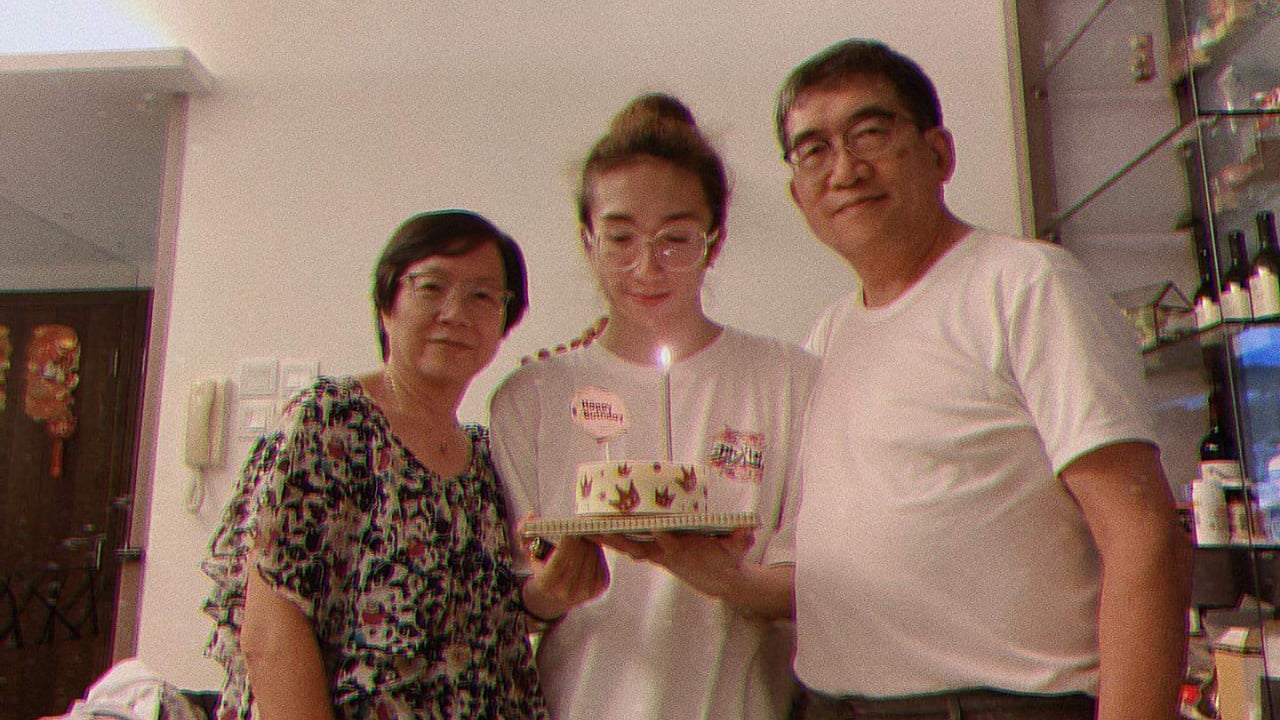
The reality is starkly different. Mo Li’s father, Reverend Derek Li Shing-lam, is very much alive. He has been the primary voice for his son, issuing weekly prayer letters that serve as the only reliable bridge between the hospital room and the outside world. The "death" reported by anonymous social media accounts is a fabrication constructed for the sole purpose of clearing a path for a fraudulent bank account or a crypto wallet.
Mo Li had to take to his own social media to dispel the fog. His message was blunt. There is no fundraising. There are no "official" donation links. The vultures are circling a tragedy that hasn't even happened, using a grief that isn't real to harvest the kindness of strangers.
The Invisible Stakes of Trust
When a scammer creates a fake charity, the immediate victim is the person who loses twenty dollars or a hundred dollars. But the structural damage goes deeper. We are witnessing the erosion of the "safety net of last resort."
If every tragedy is met with a wave of fraudulent clones, the collective instinct to help begins to wither. We become cynical. We see a genuine plea for help and we scroll past, conditioned to believe it’s just another grift. For someone like Mo Li, whose recovery is a marathon of expensive technology and round-the-clock care, the integrity of his story is his only protection.
Consider the mechanics of the deception. Scammers often use "spoofing" techniques, mimicking the visual language of legitimate news outlets or using AI-generated voice clips to lend a veneer of authority to their claims. They capitalize on the "breaking news" vacuum—that period of time between a rumor starting and a victim being able to stand up and say "this isn't true."
In Mo Li's case, the scammers didn't just target his finances. They targeted his peace.
The Long Walk Toward Silence
Recovery is not a loud process. It is a series of quiet, microscopic victories. A toe flickers. A breath comes easier. It requires a sanctuary of focus. To have that sanctuary breached by the need to issue public warnings about one's own father's "death" is a special kind of cruelty. It forces the survivor back into the role of a sentry, guarding the perimeter of their own reputation while their body tries to knit itself back together.
We often talk about the "dark side" of the internet as if it’s a separate neighborhood we can avoid. It isn't. It is the same infrastructure we use to send birthday messages and check the weather. The same algorithms that show you a video of a dancing cat are the ones that suggest a "memorial fund" for a living man.
The responsibility of the reader has shifted. It is no longer enough to be kind; one must be clinical.
Verification is the only antidote to the digital vulture. For Mo Li, the official channels are the only ones that matter. If it doesn't come from the weekly prayer letters or his verified personal accounts, it is noise. Dangerous, expensive noise.
The dancer remains in his bed, navigating a world where the floor can fall away at any moment, even when he’s not on stage. He is learning to breathe again. He is learning to move again. And now, he is learning how to shout over the sound of people trying to sell his pain back to the world.
The screen fell once. He is doing everything in his power to make sure the lies don't let it fall again.