The Persian Gulf just turned into a shooting gallery again. If you've been watching international energy markets, you already know the stakes are climbing fast.
United States Central Command forces destroyed five Iranian crude oil carriers in a single day, targeting vessels like the M/T Derya near Kharg Island alongside four other tankers in the Gulf of Oman. Why? Because the Islamic Revolutionary Guard Corps tried to hit a US Navy warship with ballistic missiles. Meanwhile, you can explore other developments here: Procurement Weaponization and the Anatomy of the US Canada Trade Fracture.
Tit-for-tat military escalations are grinding global shipping down to a crawl. Let's look at what's actually happening beneath the headlines.
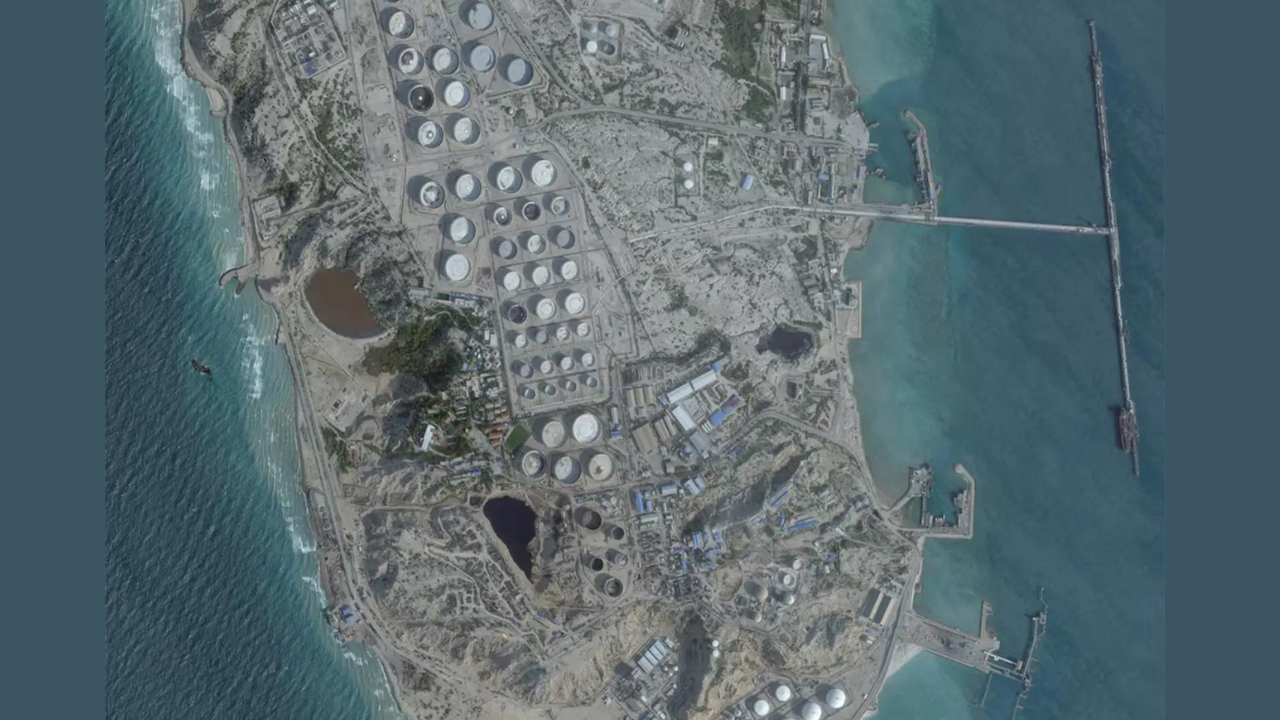
The Strategic Importance of Kharg Island
Kharg Island isn't just another dot on a map. It handles roughly ninety percent of Iran's crude oil exports. It's the absolute heartbeat of Tehran's state revenue. To understand the bigger picture, we recommend the recent article by The Guardian.
When the US military disables ships near this terminal, Washington is cutting the financial wires feeding the IRGC's regional proxy networks. Admiral Brad Cooper put it bluntly: shoot at American ships, and the US will systematically tear apart Iran's exposed oil fleet.
The math here is brutal. Iran shoots missiles at an aircraft carrier group. The warships evade. The US responds by sinking multiple shadow-network tankers in return.
Tehran Retaliates With Gulf Warnings
Iran isn't backing down quietly. Following the latest wave of American strikes, the Revolutionary Guard issued an emergency directive to tanker crews operating near Kuwait and Bahrain.
The message was clear: abandon your vessels immediately, anchored or docked, because they will be targeted. Iranian state media claimed retaliatory strikes against vessels moving through unauthorized routes in the Strait of Hormuz.
Meanwhile, traffic through the strait has plummeted to historic lows. Insurance companies are running for the hills. Shipping executives are refusing to send crews into a zone where multi-million-dollar hulls can become targets overnight.
Economic Shockwaves and Oil Prices
Markets hate uncertainty. Brent crude spiked toward $100 a barrel as traders priced in the reality of a prolonged maritime blockade.
The White House is pairing these kinetic military strikes with aggressive economic warfare. The Treasury Department just dropped a massive sanctions package targeting dozens of Iranian airlines and aviation entities accused of moving illicit military cargo.
Washington wants to squeeze Tehran from every possible angle. But rising fuel prices right before an election cycle create immediate political blowback at home.
Expect more volatility in the Strait of Hormuz. Keep a close eye on insurance rates for Gulf shipping, and watch whether regional diplomatic channels—like Omani mediation efforts—can carve out any temporary ceasefires before energy supplies face a permanent bottleneck.