Western foreign policy circles are having a collective public meltdown over New Delhi buying discounted barrels of crude. The lazy consensus echoing through every think tank and cable news desk is simple and comforting for Washington: India is throwing a financial lifeline to Moscow, breaking ranks with the coalition, and pocketing a massive arbitrage spread at the expense of global sanctions enforcement.
It is a neat, emotionally satisfying narrative. It is also completely wrong.
The standard editorial line misses the entire mechanical reality of modern commodity flows, currency routing, and the ironclad laws of sovereign self-interest. I have watched trade desks spend months trying to untangle settlement loops in Mumbai and Dubai, only to realize that Western policymakers are judging global energy markets by the standards of a high school debating society. India is not running a charity operation for the Kremlin. India is running an economic damage-control clinic, and by doing so, they are actually preventing the kind of catastrophic oil shock that would have crippled the global economy two years ago.
The Sanctions Trap Nobody Wants to Talk About
To understand why the Russian envoy’s defense of Indian crude imports hits a nerve, you have to look at the structural design of the G7 price cap. When Washington and Brussels slapped a sixty-dollar ceiling on Russian oil, they faced a brutal mathematical dilemma. If they completely shut off Russian supply, global crude prices would spike past one hundred and fifty dollars a barrel, handing the Kremlin an even bigger windfall on lower volumes while plunging Europe and the developing world into a deep industrial recession.
The workaround was a bureaucratic masterpiece of cognitive dissonance. The West allowed Russian oil to flow, provided it was sold below the cap, weaponizing maritime insurance and tanker fleets to enforce it.
Enter Indian refiners. When traditional Western buyers panicked and abandoned long-term contracts, Indian conglomerates stepped into the vacuum. They did not do it out of geopolitical solidarity with Moscow. They did it because leaving millions of barrels of heavy sour crude stranded on the water would have broken the global refining machinery.
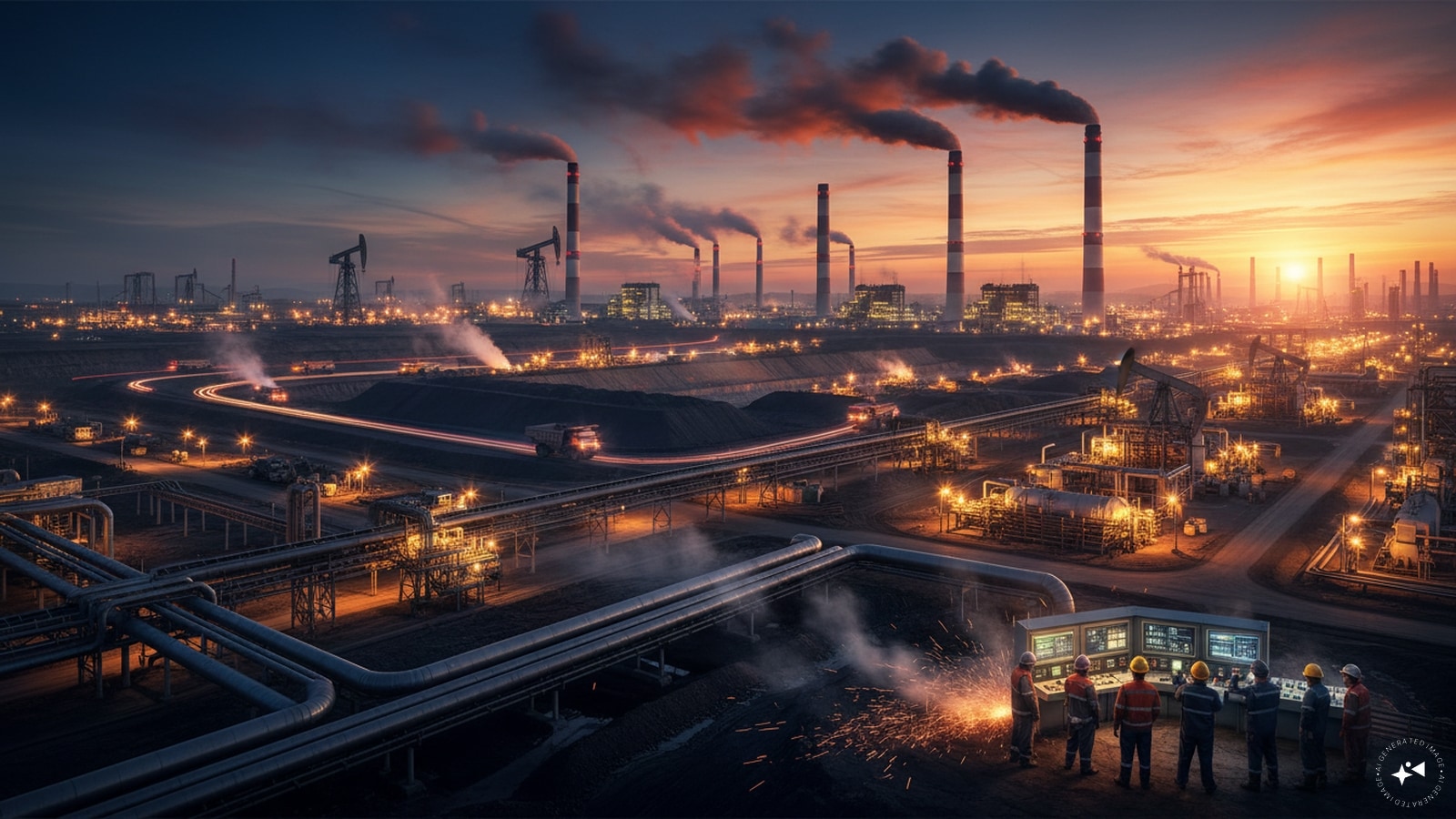
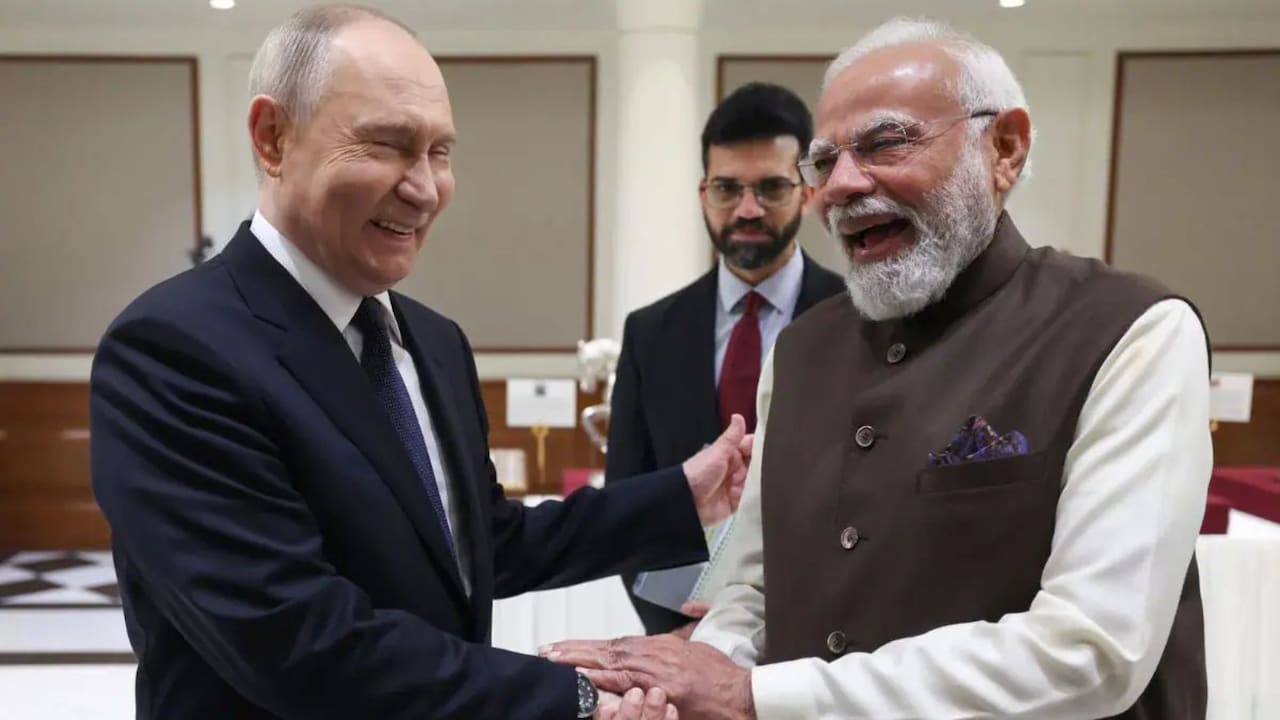
Refineries in Gujarat do not care about geopolitical optics. They care about crack spreads, distillation margins, and feedstock yields. When Urals crude traded at a thirty-dollar discount to Brent, ignoring that inventory would have been corporate malpractice. Indian Prime Minister Narendra Modi’s administration understood a fundamental truth that Western diplomats refuse to admit out loud: energy security is not a moral exercise. It is a survival metric.
The Currency Shell Game
Critics love to point out that these trades are bypassing the dollar, claiming this is an existential threat to American financial hegemony. Let us look at the mechanics without the political hysteria.
When Indian refiners pay for Russian oil, they are not stacking rubles in basement vaults. They are navigating a complex labyrinth of dirhams, rupees, and non-convertible local currency balances that ultimately force Russian state entities to reinvest those proceeds right back into the Indian economy via heavy industrial goods, pharmaceuticals, and agricultural imports.
Russia is accumulating rupee balances that it cannot easily spend anywhere else. That is not a masterclass in sanction-busting financial engineering; that is a trap. Moscow is effectively locked into a bilateral barter system reminiscent of Cold War-era bilateral clearing accounts. They are selling a depleted, finite asset—hydrocarbons—and getting stuck with currencies that have limited global liquidity.
If you think accumulating billions of rupees you cannot repatriate to New York or London is a strategic victory for the Kremlin, you have never managed a corporate treasury in a closed-capital environment. India has turned a global energy crisis into a captive supply chain for its own manufacturing sector.
The Hypocrisy of the Secondary Market
The most nauseating part of the discourse around Indian oil purchases is the sheer volume of maritime laundering that goes completely unpunished when it suits Western interests.
Refined products do not carry flags of origin. Diesel produced in Jamnagar from discounted Russian crude routinely finds its way into European storage tanks via complex re-export channels. Brussels bans direct Russian petroleum imports, but quietly accepts a surge in refined diesel imports from India and Turkey.
This is the dirty secret of modern sanctions regimes. They do not stop the flow of commodities; they simply introduce middlemen, inflate transaction costs, and redistribute the rent-seeking margins to jurisdictions willing to take on the compliance risk. India absorbed that risk, restructured its entire logistics network away from traditional Western maritime insurers, and built an independent tanker ecosystem that can withstand future geopolitical shocks.
Blaming New Delhi for keeping its inflation rate stable while Western economies battled double-digit energy spikes is peak geopolitical narcissism.
The Wrong Question About Independence
Every interview with a foreign ministry official in New Delhi eventually lands on the same exhausted question: When will India pick a side?
It is the wrong question. It has always been the wrong question.
India is not sitting on the fence. India is the fence. For decades, New Delhi practiced strategic autonomy out of necessity; today, they practice it from a position of economic gravity. With the world's largest population and the fastest-growing major economy, India cannot afford to outsource its energy policy to the State Department or the European Commission.
When the envoy states that India buys oil for itself, he is stating the obvious with a bluntness that rattles diplomatic corps trained in euphemism. Of course they are buying it for themselves. Every nation buys its energy for itself. The only difference is that India had the industrial capacity and the diplomatic spine to say it out loud while the rest of the world played a cynical game of regulatory hide-and-seek.
Stop pretending energy markets operate on ethical guidelines. They operate on gravity, infrastructure, and raw leverage. India played the hand it was dealt, absorbed the shockwaves of a collapsing European energy architecture, and stabilized its domestic manufacturing base while Washington looked the other way because the alternative was a global economic depression.
The next time someone tells you New Delhi is undermining the rules-based international order by keeping the lights on in Mumbai, ask them what the price of a gallon of gasoline would look like if Indian refiners had stayed home.