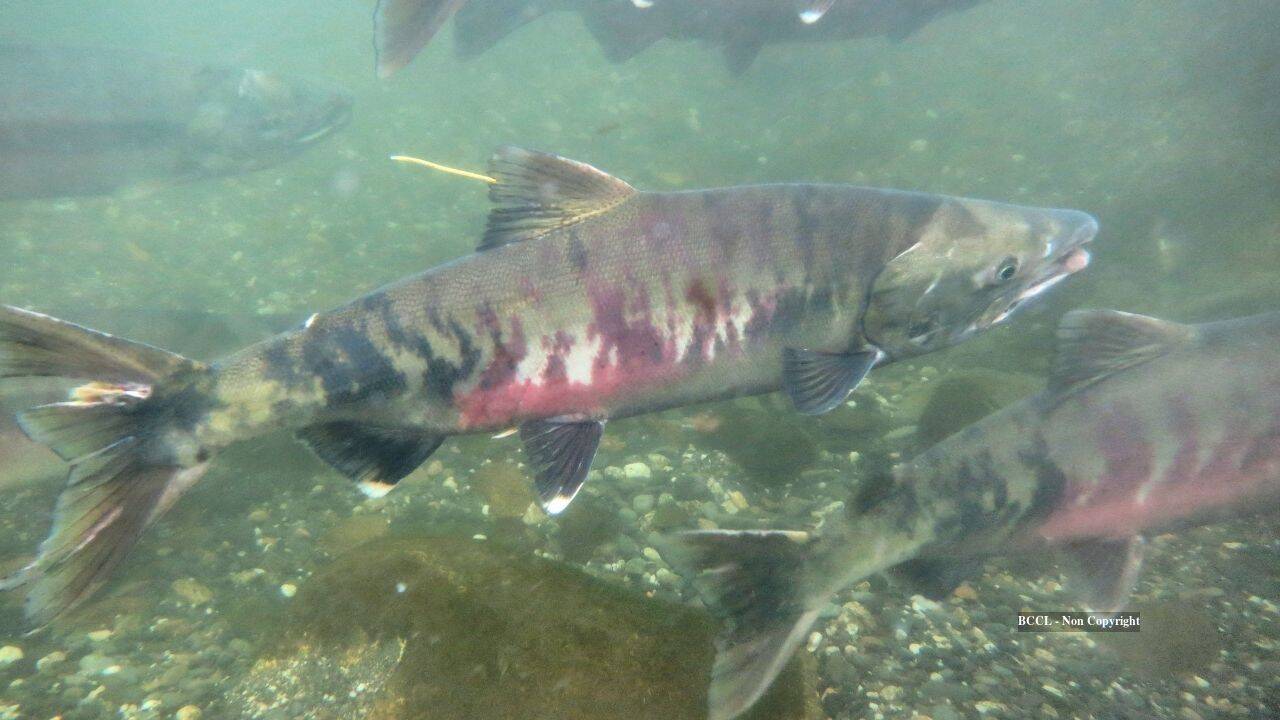
You won't hear many good news stories about Pacific Northwest salmon populations crashing into extinction walls, but the Big Quilcene River is rewriting that narrative. Threatened Hood Canal summer-run chum salmon are staging a massive comeback, and it is happening right as a multi-million dollar river restoration hits its final stretch. Average annual returns have nearly tripled compared to just a few years ago. We are looking at a jump from roughly 11,600 fish annually between 2018 and 2021 to a staggering 32,600 between 2022 and 2025. Compare that to the early 1990s, when fewer than 1,000 spawners dragged themselves up these same gravel beds. This isn't just luck. It is the direct result of undoing a century of terrible civil engineering.
Fixing a Broken Plumbing System
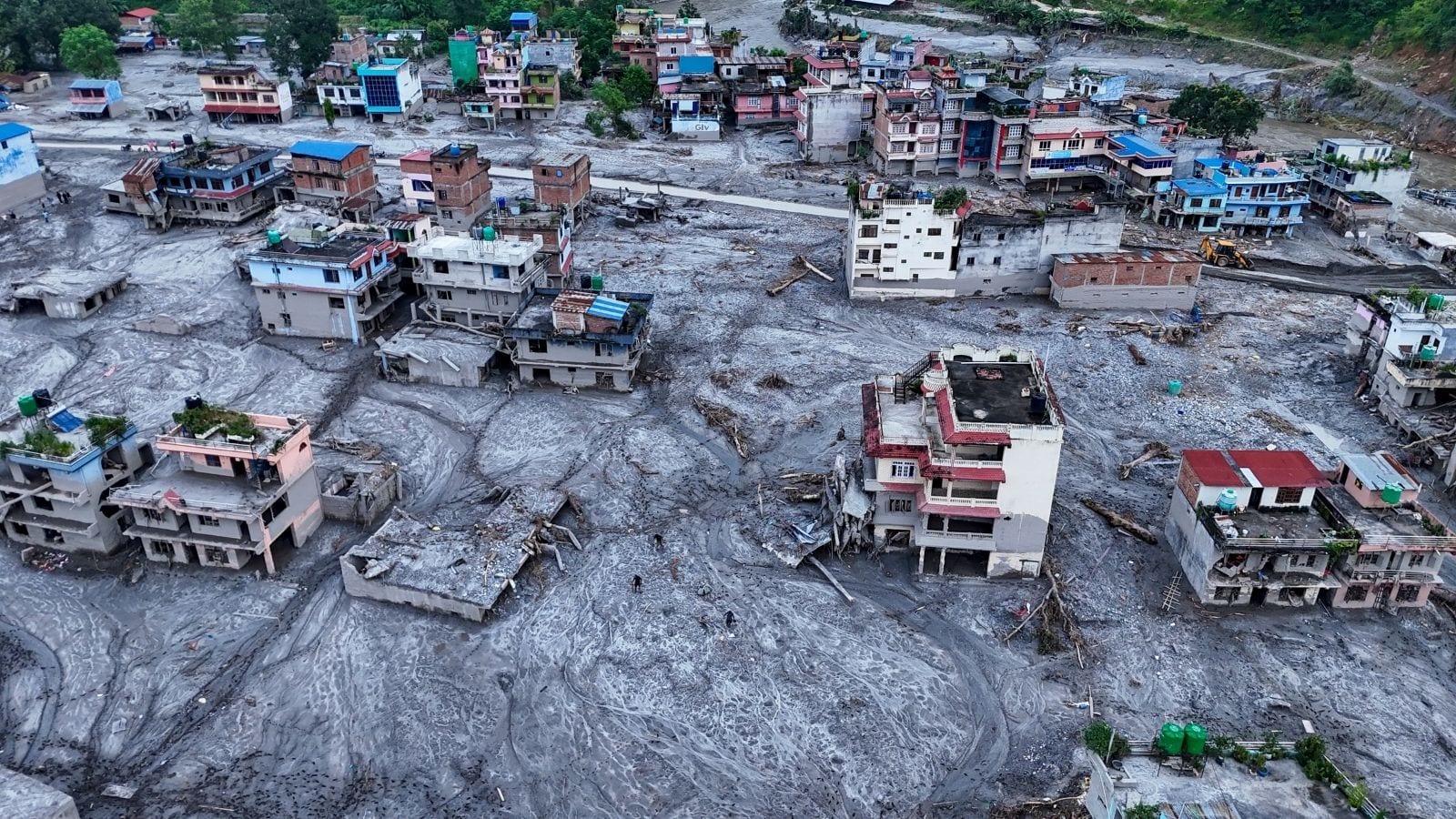
For decades, humans treated rivers like drainage ditches instead of living ecosystems. Beginning around 1930, locals reshaped the lower Big Quilcene River to free up land for farming and housing development. They took a naturally winding, braided waterway and forced it straight between hard dikes, completely cutting it off from its historic floodplain.
That setup turned out to be a disaster for both fish and people. Gus Johnson, habitat program manager for the Hood Canal Salmon Enhancement Group, puts it bluntly. The channel acted like a firehose during heavy rains, confining high-velocity water that routinely scoured out salmon nests and crushed developing eggs.
The numbers behind the erosion are wild. Fast-moving flows carved out an estimated 360,000 cubic yards of sediment from the Moon Valley reach. That is enough dirt to fill a line of dump trucks stretching bumper-to-bumper from Seattle to Olympia. That thick blanket of gravel and dirt washed straight down into Quilcene Bay, burying more than 31 acres of crucial estuary habitat.
Why Estuaries Make or Break Chum Salmon
Most people think salmon spend their entire early lives hiding in freshwater streams. Coho and Chinook stick around for months or years, but chum salmon play a totally different game.
Juvenile chum swim out toward the ocean almost immediately after hatching. They need shallow, productive estuaries to feed and slowly adjust from fresh water to salt water. When human development paves over or buries those transition zones, young fish get slammed by osmotic shock as they are forced into the open ocean too fast.
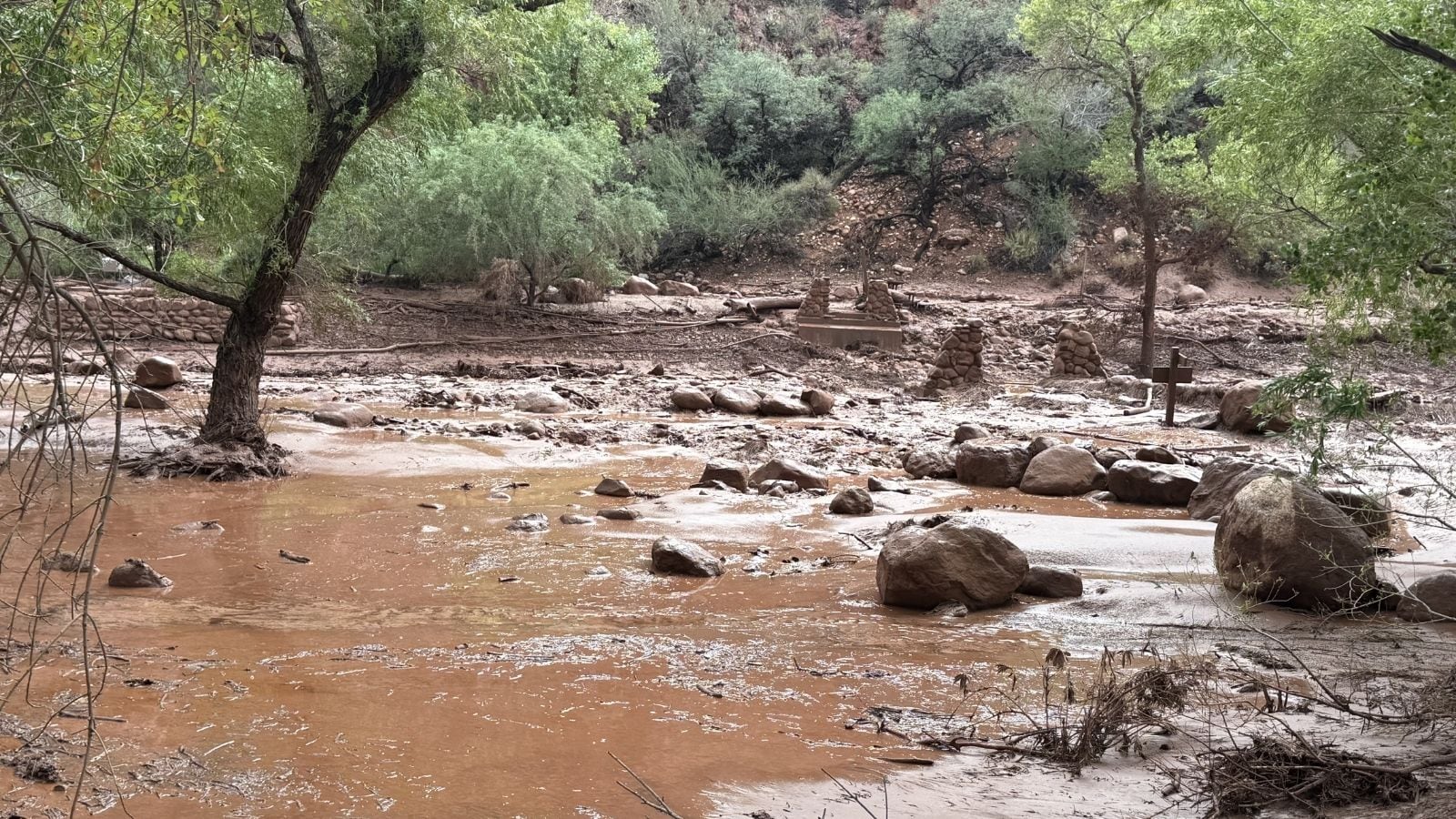
To fix this bottleneck, a coalition including NOAA Fisheries, local tribes, and conservation groups poured $9.7 million into comprehensive watershed rehabilitation. Crews replaced the artificial ditch with a complex, 1.84-mile braided channel network. They reconnected the river to 140 acres of its natural floodplain, dropped in more than 180 heavy log jams to slow the current down, and laid clean spawning gravel across the streambed.
Ocean Conditions and Long-Term Resilience
Favorable marine cycles deserve some credit for the recent boom. Cooler ocean temperatures over the past few years boosted food availability and skyrocketed survival rates at sea.
Ocean conditions always swing back to warmer, harsher phases eventually. That is precisely why habitat restoration matters so much right now. When the Pacific warms up again, fish trapped in a degraded, concrete-lined ditch will suffer massive die-offs. Fish with access to a sprawling, complex wetland network can duck into cool side channels, find refuge from floods, and ride out the thermal stress.
Similar projects across the region prove the blueprint works. On Jimmycomelately Creek near Sequim, the Jamestown S'Klallam Tribe relocated a choked stream into a fresh channel, and summer chum counts jumped from near zero to thousands in just four years. Over on the Union River, targeted estuary work helped pull in nearly 13,000 summer chum, setting a record high.
The final pieces of the Big Quilcene project wrap up this month just as the adult chum arrive to spawn. Check local viewing guidelines if you plan to visit the Olympic Peninsula this autumn. Keep your distance from spawning channels, support local watershed groups, and remember that wild salmon only survive when we give them room to roam.