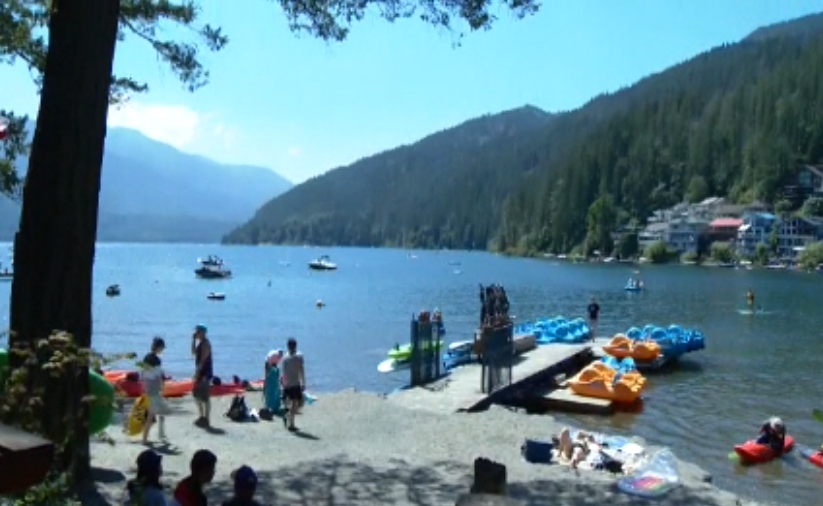
Summer air in the Fraser Valley carries a specific weight. It smells of dust baked on gravel, pine needles crisping in the sun, and the deep, cold mineral scent of glacial melt. Cultus Lake sits in that heat like a sapphire dropped into the green folds of the mountains. To the thousands who flock to its shores every July, seeking relief from asphalt and routine, it is a playground. Dock planks groan under wet bare feet. Inflatables drift lazily across the shallows. Laughter skips across the surface.
Water is indifferent to joy.
It does not care about the date on the calendar, or the age etched into a driver's license that has not yet been printed, or the plans parents made for dinner. Water simply obeys physics, chemistry, and depth.
On a Tuesday afternoon, the noise at the lake fractured.
Emergency crews arrived not with the slow urgency of a routine patrol, but with the violent, flashing blue strobe of a crisis. RCMP cruisers, volunteer search and rescue units, fire rescue boats slicing white scars across the turquoise expanse. The shift from recreation to recovery happens in a heartbeat. One moment, a family is counting minutes; the next, they are measuring eternity.
The missing person was thirteen.
Thirteen is a strange, sharp age. It is a threshold where children begin to test the edges of their own gravity, walking the line between the safety of a parent's hand and the vast, unmapped territory of independence. A thirteen-year-old can swim with the confidence of a fish, yet still underestimate the sudden drop-offs of an alpine-fed lake, the invisible thermal layers that turn warm surface water into an icy grip three feet down, or the sudden panic that steals the breath before the mind can catch up.
Details emerge in police reports like dry autumn leaves scraping across pavement. Medical emergency. Distressed swimmer. Submerged. Search patterns. Recovery.
They are clinical words designed to distance the living from the unimaginable. They strip away the texture of a life half-lived. They omit the sneakers left neatly by a towel, the half-read paperback with the corner of the page folded down, the playlist still looping in abandoned earbuds.
Consider what happens when a body is pulled from deep water.
The heat of the afternoon suddenly feels wrong, too bright, too loud. The crowd on the shore pulls back, instinctively creating a perimeter of silence around the grief. Whispers travel fast, then die away entirely, replaced by the low drone of idling boat engines and the rhythmic churning of water as divers pack their gear.
Drowning does not look like the movies. There is rarely shouting. There is no dramatic thrashing that signals a fight for survival. It is quiet. It is efficient. A sudden cramp, a swallowed gulp of water, a wave of vertigo in a sudden drop-off, and the transition from breathing to silence occurs in seconds.
For the community surrounding Cultus Lake, this is a grief that arrives with the seasonal warmth and leaves behind a permanent scar on the landscape. Every local knows the statistics, though few want to recite them. British Columbia’s lakes and rivers claim dozens of lives every year. Many of them happen in the blinding glare of peak summer, when the water looks most inviting and human vulnerability feels entirely impossible.
We tell ourselves that safety is a guarantee provided by lifeguards, buoy lines, and common sense. We draft rules and post signs warning of drop-offs and cold currents. Yet the lake remains wild at its core. Beneath the sun-bleached surface and the floating docks, it is a dark, ancient basin shaped by glaciers and time.
Night falls differently over a lake that has taken a life.
The wind drops. The surface smooths into a mirror, reflecting the indifferent stars. The boats are gone, the emergency lights extinguished, leaving only the sound of small waves lapping rhythmically against the wooden pilings. Somewhere, a house is quiet, filled with the unbearable heaviness of shoes that will not be worn tomorrow and a bedroom that waits in the dark.
The water does not keep secrets, but it gives up its burdens slowly. And the shore remains, waiting for the sun to rise again on a mirror that forgets nothing.