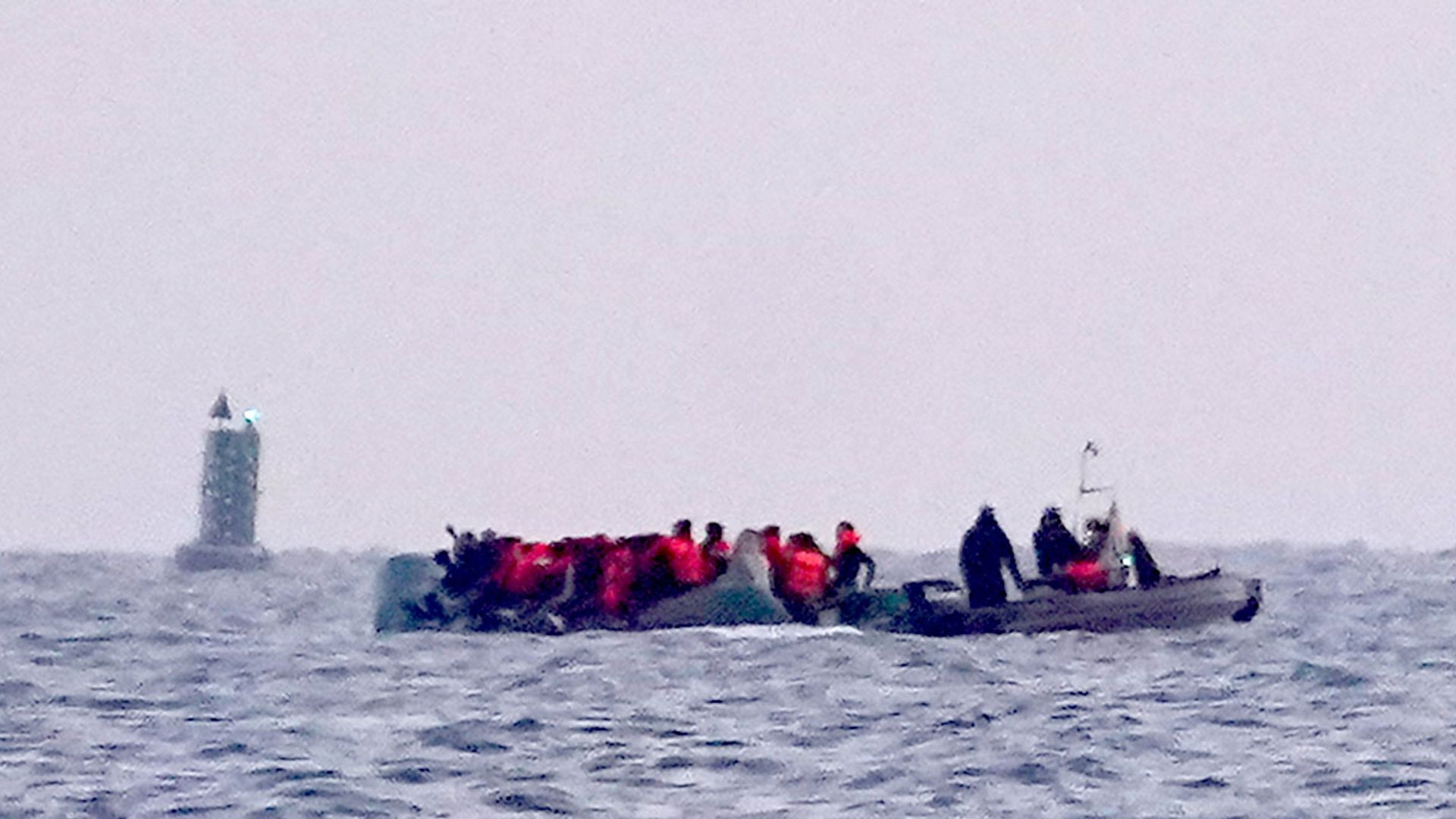
The sea does not care about borders. It does not look at a passport, nor does it honor the desperate calculations of a human being who has sold everything they own for a seat on a fragment of rubber. Dawn broke over the gray waters near Dunkirk with a deceptive calm. The air was cold, salt-heavy, and quiet, save for the low churn of distant shipping lanes and the frantic, hushed whispers of people stepping into the dark surf.
Three lives ended there, right at the edge of the water near Braek beach.
To the bureaucrats sitting in distant capitals, the incident will likely register as a data point. A statistic in a shifting ledger. A line item in the ongoing friction between governments trying to lock down a turbulent strait. But numbers do not capture the weight of a wet coat, the terror of rising water, or the silent fracture of a family's final hope.
Consider what happens long before a boat ever touches the French shore. The journey across the English Channel is rarely born of romantic adventure. It is an act of profound desperation, hatched in cramped rooms and coordinated by traffickers who treat human cargo as disposable overhead. Smugglers increasingly rely on small inflatable vessels or so-called taxi-boats, pushing desperate people onto overcrowded crafts under the cover of night. When the weather briefly flirts with mercy—offering a stretch of calm water—the beaches become staging grounds for mass departures. Hundreds run into the surf, desperate to board before police patrols close in.
On Wednesday, the beaches saw one of the busiest surges of the season. The sea was deceptively smooth. The temptation to try, to risk everything for the elusive promise of safety and a new beginning across the water, proved overwhelming. By Thursday morning, the French coastguard received the call. Trouble had found a small boat near the coast. Unconscious bodies pulled from the swell. Desperate, rhythmic chest compressions on the sand that ultimately failed to coax breath back into lungs filled with salt water.
The politics surrounding these crossings are loud, polarized, and ceaseless. Governments point to policy adjustments, funding deals, and declining overall arrival statistics as proof of progress. Yet, as enforcement tightens on the mainland, the mechanics of the crossing shift. Smugglers adapt. They pack more bodies into larger rubber dinghies to maximize profit from dwindling successful runs, creating floating hazards where a single puncture or panic can spell catastrophe. The risk scales upward even as the total volume fluctuates.
We talk endlessly about border security, maritime patrols, and international agreements. We debate the efficacy of millions spent on coastal surveillance and French police cordons. But behind every policy paper is the raw, human friction of people standing on a cold beach, looking across a narrow strip of water that separates their past from their future.
The three individuals who died near Dunkirk had names, favorite songs, worries about their families, and dreams that felt worth dying for. They did not survive long enough to argue about immigration quotas or political speeches. They met only the impartial fury of the sea, leaving behind empty spaces in homes they left behind and an echoing silence on the shores of northern France.
The sun climbed higher over the Channel, burning off the morning mist while the ferries continued their steady, indifferent march between two worlds.