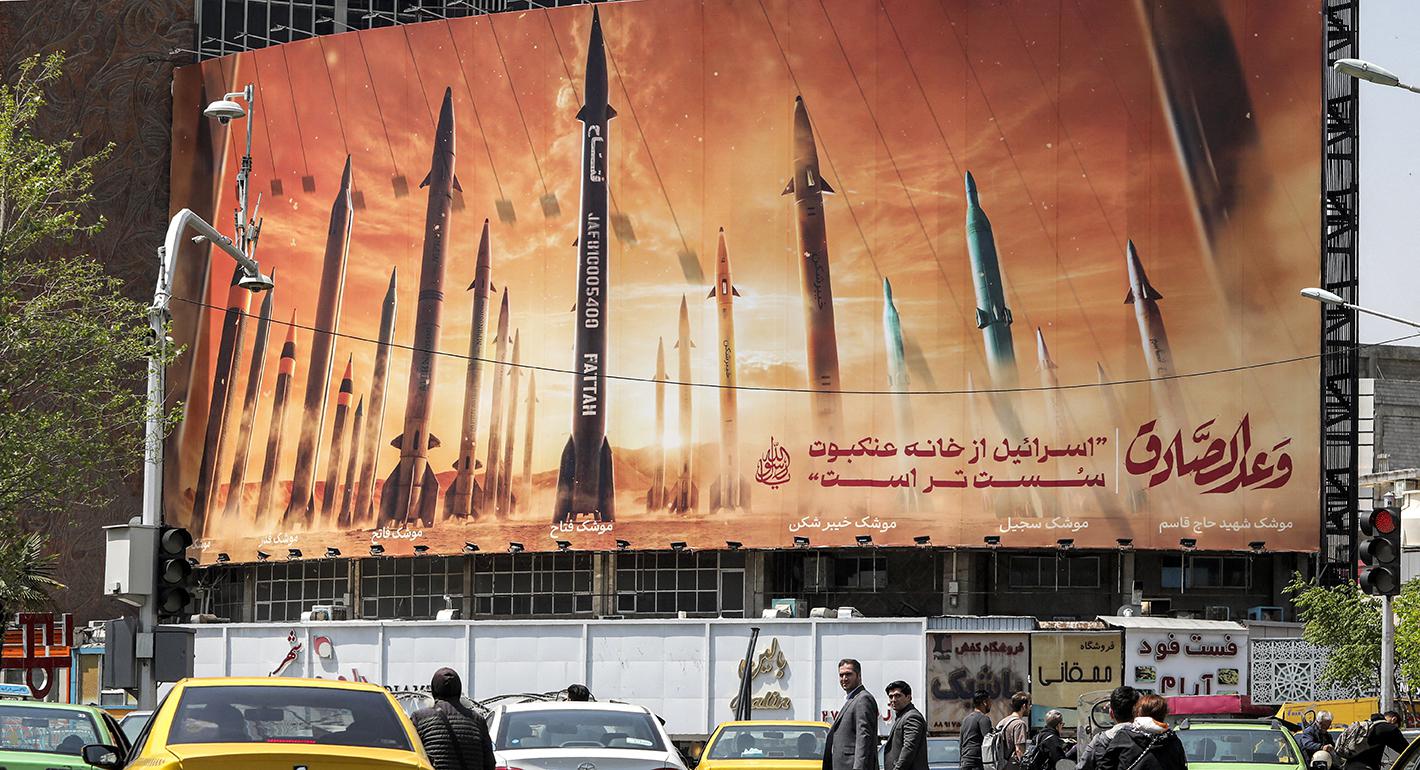
The air in Tehran does not smell of diplomacy. It smells of exhaust, roasting saffron, and the static electricity that precedes a summer storm. In the small, dimly lit living rooms of the North Tehran hills and the crowded tea shops of the south, people stare at their phones with a specific kind of intensity. They aren't looking for memes. They are looking for the price of the rial, the trajectory of a drone, and the latest notification regarding a deal that feels both impossibly close and terrifyingly fragile.
For months, the map of the Middle East has looked like a circuit board overloaded with too much current. Tensions between Israel and Iran have transitioned from a shadow war of whispers and cyber-attacks to a direct, kinetic confrontation involving ballistic missiles and precision strikes. Now, the world watches as a proposal from Washington sits on a desk in Tehran, waiting for a signature that could either ground the jets or signal the next volley.
The Quiet Room and the Loud World
In the corridors of power, the "U.S. proposal" is a stack of papers filled with technical jargon about enrichment levels, inspection protocols, and sanctions relief. But for a father in Isfahan, that proposal is a chance to tell his daughter that the boom she heard last week was just thunder.
The stakes are not abstract. We often talk about geopolitics as a game of chess played by giants, but the board is made of glass, and the pieces are human lives. The current situation involves a delicate three-way pressure cooker. Iran is reviewing a framework intended to de-escalate the multi-front conflict, while Donald Trump, acting with the momentum of an incoming administration, has applied a unique brand of public and private pressure on Tehran to settle the score before the guard changes in Washington.
Consider the atmosphere in a high-level briefing room. The carpet is thick enough to swallow the sound of footsteps. Maps on the wall glow with the heat signatures of "interests" and "assets." To the analysts, these are data points. To the people on the ground, these are the hospitals where electricity might fail if the grid is hit, or the schools where drills have become a daily routine.
A Legacy of Skepticism
Trust is a currency that has been devalued more than the rial. To understand why a deal hasn't been signed in an afternoon, you have to understand the ghosts in the room. The Iranian leadership remembers 2018, when the previous nuclear agreement was shredded with the stroke of a pen. That memory creates a paralysis of caution. They are being asked to trade tangible military leverage for promises written on paper that might be blown away by the next political wind in D.C.
On the other side, Israel views every pause in the fighting not as a bridge to peace, but as a window for its adversary to rearm. The Israeli public, still reeling from the scars of October 7 and the subsequent months of rain-down fire from the north and east, demands security that feels permanent, not a temporary ceasefire that acts as a band-aid on a bullet wound.
The U.S. proposal attempts to thread a needle while the room is shaking. It asks Iran to pull back its support for regional proxies and cap its nuclear ambitions in exchange for a return to the global economy. It’s a trade-off between "Revolutionary" identity and national survival.
The Trump Factor
Then there is the unpredictable gravity of Donald Trump. His rhetoric toward Tehran has always been a blend of "Maximum Pressure" and the desire for the "Greatest Deal Ever." By signaling that he wants a resolution now, he has effectively put a clock in the room. The ticking is loud.
For the Iranian negotiators, the dilemma is agonizing. Do they strike a deal with the current administration, hoping it provides a baseline of stability that a future Trump presidency will respect? Or do they wait, hoping for a better bargain, while risking a much harsher set of consequences if the new American president decides to turn the pressure up to a breaking point?
It is a high-stakes gamble where the "house" is the stability of the entire global energy market and the lives of millions. If Tehran signs, they risk looking weak to their hardline domestic base. If they refuse, they face an economic strangulation that could spark internal unrest more dangerous to the regime than any foreign missile.
The Human Cost of the Waiting Game
While the diplomats argue over the phrasing of Annex B, the reality of the conflict remains visceral. In Tel Aviv, the sound of a motorcycle backfiring can send a crowd into a momentary, breathless panic. In Tehran, the skyrocketing cost of imported medicine—a direct result of the sanctions that this deal is supposed to lift—means a mother has to choose between food and the pills that keep her heart beating.
This is the "invisible stake." Diplomacy is often portrayed as a battle of egos, but it is actually a battle against time. Every day a deal is delayed is another day where a miscalculation, a stray drone, or a nervous commander could trigger the "Great War" that everyone claims they want to avoid.
The technicalities of the U.S. proposal involve complex variables like the $U^{235}$ enrichment percentages and the range of the Kheibar-1 missile. We could plot these on a graph:
$$\text{Risk} = \frac{\text{Military Capability} \times \text{Political Desperation}}{\text{Diplomatic Trust}}$$
As trust approaches zero, the risk approaches infinity.
The Mirror of History
We have been at this precipice before. The history of the Middle East is a long corridor of "last chances" and "final warnings." What makes this moment different is the sheer scale of the potential fallout. We aren't talking about a border skirmish; we are talking about a direct confrontation between two of the most sophisticated military powers in the region, with a superpower leaning over the shoulder of one and a shifting global order watching the other.
The proposal on the table isn't just a peace treaty; it's an exit ramp. But exit ramps are hard to take when you're traveling at a hundred miles an hour with your eyes on the rearview mirror.
The Iranian leadership is currently "reviewing" the document. This is diplomatic code for a feverish internal debate between those who believe the country can no longer sustain the cost of isolation and those who believe that any concession is a slow-motion surrender. They are weighing the words of a proposal against the reality of a changing Washington, trying to predict the unpredictable.
The Final Silence
Imagine the moment the decision is made. It won't happen on a stage with cameras and flags. It will happen in a quiet office, with a nod or a brief phone call. The order will ripple down through the ranks. The crews at the missile silos will stand down, or they will be told to fuel the birds. The tankers in the Strait of Hormuz will continue their journey, or they will prepare for a blockade.
The world holds its breath for a piece of paper. We wait for the "Live" updates to turn into history books. But for the people living in the shadow of the drones, the "deal" isn't about geopolitics or the legacy of a president. It is about the simple, profound luxury of planning for tomorrow without checking the sky first.
Behind the headlines of "reviewing proposals" and "pressure for agreements" lies the truth of our era: we are masters of building weapons but novices at building the trust required to put them down. The ink on the U.S. proposal is dry. The pens in Tehran are hovering. The rest of us are just the audience, watching the shadow of a hand move across the page, wondering if the next chapter begins with a signature or a flash of light.