The grass does not care about your legacy. Under the harsh glare of stadium floodlights, the pitch is just an emerald stage indifferent to the drama unfolding upon it. For ninety minutes, or sometimes one hundred and twenty, it becomes a crucible where reputation goes to die.
Harry Kane stood at the center circle, his lungs burning, his jersey clinging to his skin like wet armor. Around him, the noise was a physical wall. Forty thousand fans singing, whistling, stamping their feet until the concrete foundations of the stadium vibrated. The opposing team had built a fortress of bodies, tactical discipline, and sheer spite. Every bounce of the ball seemed calculated to mock expectation. The clock was a ticking guillotine.
To the casual observer watching on a screen thousands of miles away, it looks like a game of formations. Analysts draw neat arrows on digital screens, talking about low blocks, transitional phases, and expected goals. They map out the match as if it were a chess game played by bloodless pieces.
They are wrong.
When everything is going wrong, tactics dissolve. The chalkboard plan evaporates under the heat of panic. Football stops being a sport of geometry and becomes an argument of human will.
The Invisible Anchor
Pressure has a smell. It smells like stale sweat, deep-heat rub, and the metallic tang of fear that pools at the back of the throat. When an entire nation expects you to win, every step feels like wading through wet cement.
Consider the burden of the armband. It is a strip of elastic, weighing no more than a few grams, yet it can crush a man’s shoulder. As a captain, you are not just managing your own tiring limbs; you are absorbing the collective anxiety of eleven teammates and millions of strangers drinking warm beer in crowded pubs back home. You can see it in their eyes—the creeping realization that the script has gone off the rails. The favored side is supposed to coast. The underdog is supposed to roll over.
But the underdog did not read the script. They fought for every blade of grass, turning the match into a street fight wrapped in athletic tape.
Every error gets magnified under this kind of heat. A misplaced pass is no longer just a technical mistake; it feels like a moral failing. The crowd groans, a low, guttural sound that rattles the teeth. The opposing players grow taller, fueled by the intoxicating scent of an upset. They are playing with house money, while you are betting your life savings on a spinning wheel.
Anatomy of a Breakthrough
How do you break a wall that refuses to crack?
You do not do it with elegance. You do not do it with the pristine football promised in academy brochures. You do it ugly.
The ball comes in, high and awkward. It is a chaotic object bouncing in a crowded penalty box. In that split second, intellect shuts down. Survival instinct takes over. There is a scramble, a collision of shin guards and flying turf, and suddenly the net bulges.
Relief is louder than joy.
Match Minutes: 0' ------------- 90' -------- 120'
Tension Level: Low ------------ Peak ------- Exhaustion
The stadium erupts, but inside the white lines, the feeling is different. It is a cold, sobering realization that the job is only half done. The body wants to quit. The calves are cramping, twitching like hooked fish beneath the socks. Every intake of breath feels like inhaling broken glass.
This is where the true separation happens. Elite sport is less about who is faster or more skilled, and entirely about who can tolerate discomfort the longest. It is an exercise in suffering.
The Myth of the Easy Path
We have become obsessed with the narrative of dominance. We want our heroes to stroll through tournaments without breaking a sweat, dismantling opposition with clinical precision. We celebrate the flawless victory.
But perfection is boring. It teaches us nothing about the human spirit.
The real beauty of the game lies in the muddy, exhausting, agonizing process of finding a way when every avenue is blocked. It is the realization that the crowd is against you, the momentum has deserted you, and your own legs are screaming for surrender—yet you still refuse to drop.
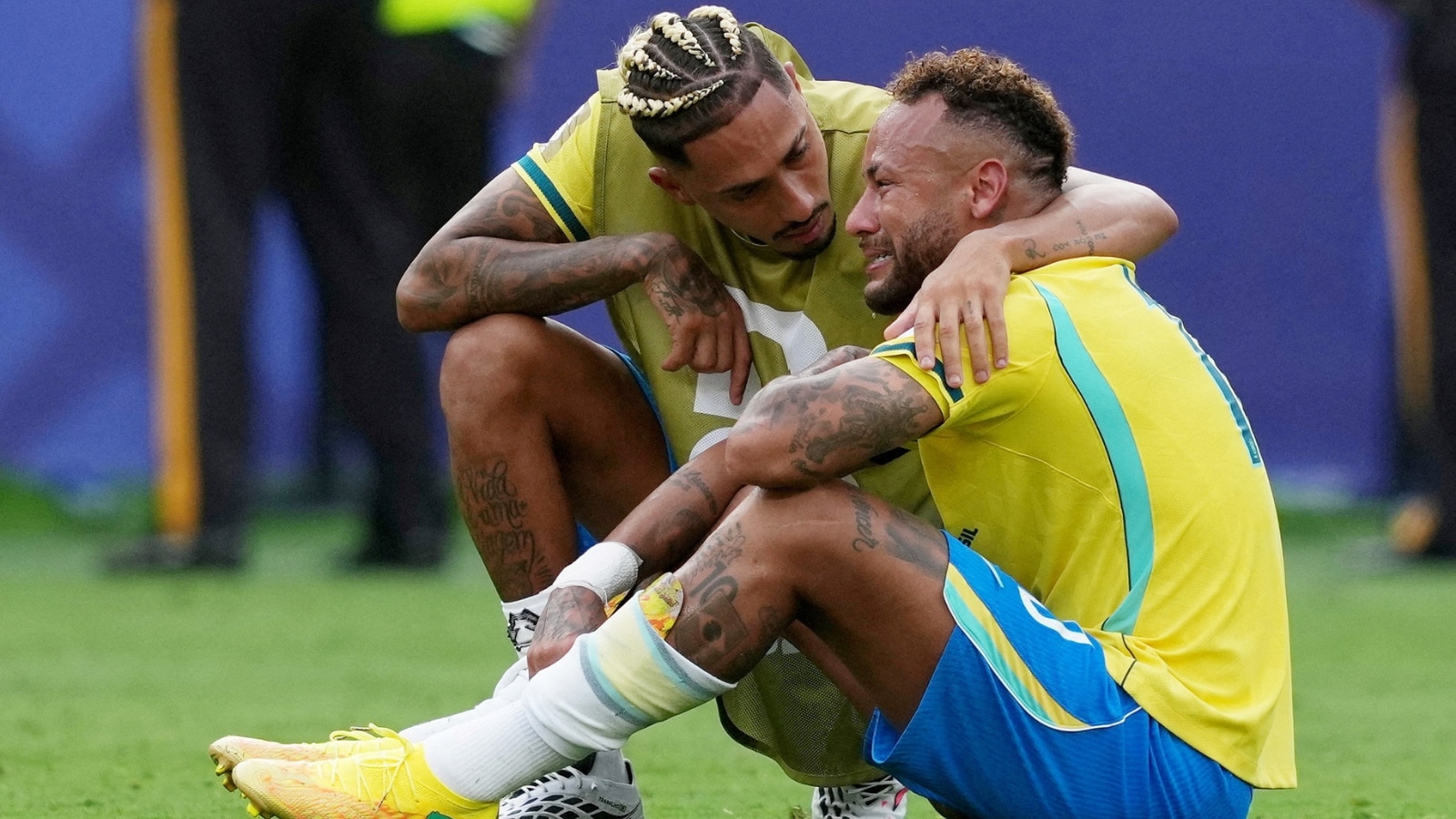
When the final whistle blew, Kane did not celebrate with a theatrical slide or a choreographed dance. He sank to his knees. His eyes closed. The quote he gave afterward was not the polished media training of a modern athlete, but the raw truth of a survivor. They found a way. Not a pretty way, not a tactical masterclass, but a stubborn refusal to accept defeat.
The lights will eventually go out. The stadium will empty, leaving behind nothing but discarded plastic cups and the echo of ghosts. The analysts will rewrite their columns to fit the result, pretending the victory was inevitable all along.
But those who were on the pitch know the truth. They remember the moment the cliff edge was rushing toward them, and they chose to step up instead of falling off. That is the only story that matters.