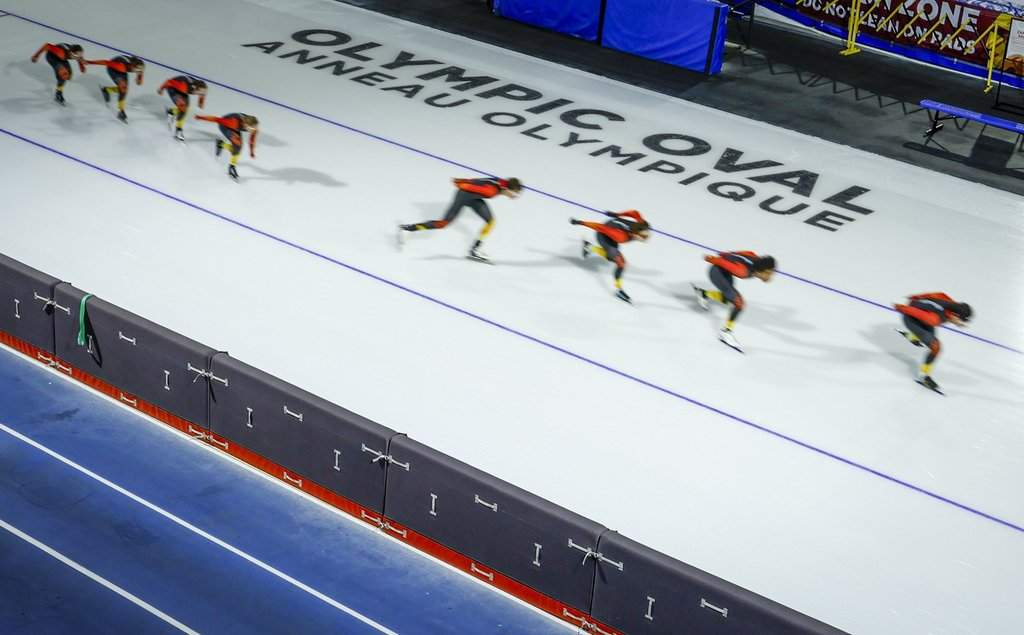
The morning air in a municipal training rink smells like cold concrete, floor cleaner, and the faint, metallic tang of ambition.
It is 5:30 AM. Outside, the streetlights are still buzzing against a heavy, indigo sky. Inside, a fourteen-year-old figure skater named Maya is tracing frozen arcs into the ice, her breath pluming like tiny white ghosts in the arena's chill. She does not know about Ottawa budget lines. She does not care about legislative frameworks or fiscal years. She knows only the burning ache in her ankles, the precise angle of a takeoff edge, and the quiet, crushing panic that comes from wondering if her parents can afford her next set of skates.
For most of us, elite sport is something we consume through a glowing glass screen. We see the gold medals glinting under stadium lights. We hear the anthems swell. We slap our knees in living room triumphs when a hockey puck crosses a red line or a runner breaks a tape a fraction of a second ahead of the world.
We rarely see the architecture beneath the podium.
History tells us that athletic glory is born from raw talent and stubborn grit. That is only half the truth. Talent without oxygen suffocates. Grit without fuel burns out. Behind every soaring leap is a quiet, unglamorous web of financial triage: parents working second jobs, community clubs holding bake sales to fix a broken refrigeration unit, and athletes living on a dietary budget of institutional pasta and tight margins.
Then, the announcement drops from the capital. Ottawa hails a new era of Canadian sport, backing its words with a substantial infusion of fresh funding.
The immediate reaction from the cynicism machine is swift. Bureaucracy. Red tape. PR spin. We have heard the speeches before. Politicians love the reflected glow of a champion; they love standing near podiums wrapped in flags.
Step closer, though. Look past the podium.
Consider what happens when the financial pressure valve is turned just a fraction of a turn looser. For an elite sprinter or a developing wrestler, new funding does not mean luxury. It means a physiotherapist seen before an injury becomes chronic. It means groceries that actually fuel recovery instead of just filling an empty stomach. It means the difference between an athlete choosing to pack their bags for international competition or quietly packing away their gear forever because the rent is due.
Consider a hypothetical athlete named Liam, training in the shadow of the Rockies. Liam is a pentathlete. No one stops him on the street for autographs. His sport does not air during prime-time network television slots. He trains in obscurity, driven by a stubborn internal fire that defies economic logic. When federal dollars flow downward into national sport organizations, they do not land in Liam's pocket as cash. They land as a subsidised plane ticket to a world cup qualifier in Europe. They land as access to sports science labs that measure lactic acid thresholds instead of guessing.
Money changes the math of survival.
We often talk about sports as a meritocracy. We want to believe that if you work harder than everyone else, you will rise. But raw merit hits a hard glass ceiling when your competitors are backed by state-of-the-art national programs equipped with bottomless resources, while your own federation is counting paperclips. When Ottawa steps up its investment, it is not merely funding entertainment. It is purchasing a level playing field. It is telling kids in small-town rinks, coastal rowing clubs, and inner-city gymnasiums that their dreams are worth the ledger space.
Still, skepticism remains our default armor, and for good reason. Public funds are earned through the quiet labor of taxpayers. Every dollar directed toward a high-performance training center is a dollar not spent fixing a pothole or staffing a clinic. We are entirely right to demand accountability. We must ask where the money goes, who distributes it, and whether it trickles down to the grassroots or merely pads the plush carpets of administrative boardrooms.
Transparency is the price of trust.
If this new era of Canadian sport is to mean anything, the metrics of success cannot be measured solely by the metal weight of Olympic hardware hanging around necks in Milan or Los Angeles. True success is measured in retention. It is measured by the number of young athletes who do not quit at eighteen because they cannot afford the tuition of excellence. It is measured by the coach who gets paid a living wage instead of volunteering fifty hours a week out of pure, exhausted devotion.
Back on the ice, the clock ticks toward 7:00 AM. The arena doors open. A flood of younger skaters pours onto the rubber matting, dragging bags that look too big for their small frames.
Maya executes a final axel, landing clean and sharp on the frozen surface. She skates to the boards, breathing hard, her face flushed with the fierce joy of movement. She unlaces her skates with stiff fingers. She does not think about the federal budget. She does not need to. She only needs to know that tomorrow, the rink doors will still be unlocked.