Leather smells like history if you give it enough years. It absorbs the grease of hurried palms, the chill of rainy mornings on cobblestones, and the faint, sweet trace of expensive perfume left behind in a car door.
I remember running my fingers along the grain of a structured structured top-handle bag years ago, wondering how something so small could command such absolute devotion. It was not just an accessory. It was armor. When you carry a piece crafted with that level of quiet obsession, you walk differently. You pull your shoulders back. You take up space.
Right now, that exact feeling is sitting in a boardroom somewhere, balanced precariously on a ledger.
The artisan house favored by the Princess of Wales is quietly searching for a buyer. Or, at the very least, someone willing to inject a heavy dose of capital in exchange for a stake.
Let that sink in for a moment.
To the casual observer, this is just another financial transaction in the hyper-capitalized luxury sector. A heritage brand needs cash; a conglomerate or private equity firm writes a check. Balance sheets shift. Life goes on. But luxury does not work like software or logistics. You cannot scale human patience. You cannot automate the precise, agonizingly slow stitch of an expert artisan who has spent three decades learning how to turn calfskin into art.
When a brand becomes intertwined with royalty, the public narrative assumes an unbreakable shield of gold. We see Kate Middleton stepping out of a Range Rover, the flashbulbs catching the neat trapezoidal silhouette of her favorite structured bag, and we assume infinite security. We assume the factories are printing money. We assume the workshops are overflowing with young apprentices eager to carry the torch.
Reality is far messier.
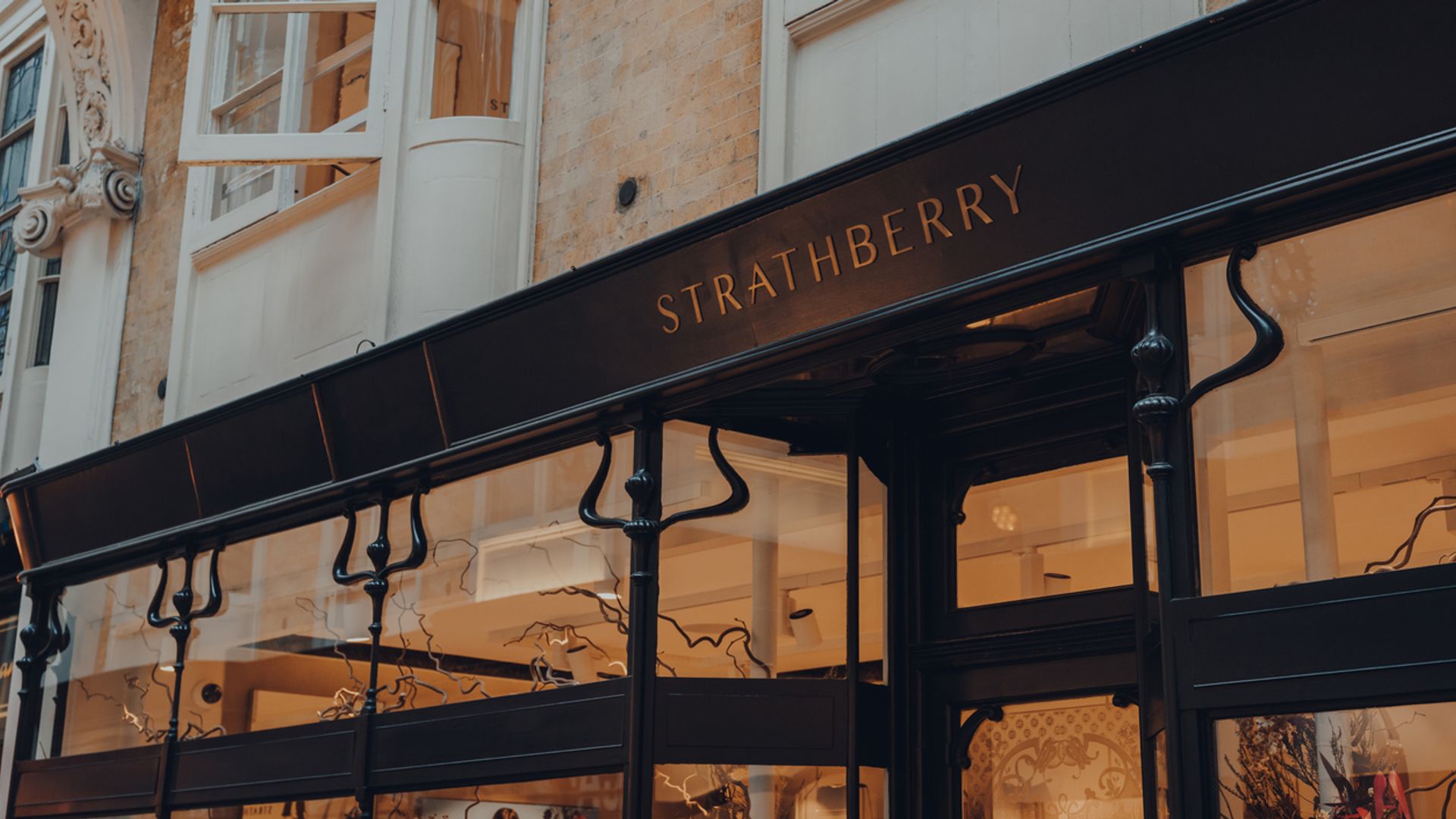
Consider what happens behind the polished glass of Mayfair flagships and royal appointments. The artisans do not care about stock markets. They care about the grain of the hide. They care about whether the brass clasp clicks with a satisfying, muffled thud or a tinny rattle. They are obsessives. And obsession is notoriously expensive to maintain in a world demanding quarterly growth of ten, twenty, thirty percent.
This is where the friction lives.
Mass production values speed, uniformity, and global reach. True luxury—the kind that makes a royal patron reach for the same bag year after year across decades of public scrutiny—values time, scarcity, and human error rendered exquisite by practice. When a brand like this approaches a stake sale, it is usually because the cost of remaining pristine has finally outstripped the math of traditional craftsmanship.
Imagine sitting across the table from a private equity negotiator. You are the custodian of a century-old British tradition. Your ledger is bleeding red because you refused to outsource your stitching to a cheaper zip code overseas. The investor looks at your profit margins, taps a gold-plated pen against the mahogany table, and asks why you cannot produce triple the volume with half the staff.
It is a terrifying conversation.
Because the moment you say yes to the machine, you begin to unravel the very magic that drew the Princess to your door in the first place. Royal patronage is not bought with advertising dollars. It is earned through a terrifyingly old-fashioned concept: discretion and uncompromising quality. Once that is diluted, the spell breaks.
And yet, refusing the money is a slow death by cash starvation.
This is the invisible crisis facing independent heritage brands across Europe. They are caught between the anvil of soaring operational costs and the hammer of corporate homogenization. The big luxury houses—LVMH, Kering, Richemont—have spent the last two decades gobbling up independent ateliers, turning them into units on a global assembly line. Some survive the transition intact. Many lose their soul, becoming mere ghosts of a logo printed on a mass-produced dust bag.
If this particular brand sells a stake, what happens to the woman who spent four weeks shaping a single gusset by hand? Does her workshop get consolidated into a modern industrial park on the outskirts of the city? Does the leather start coming from a cheaper tannery to satisfy a cost-cutting mandate whispered by an MBA in a slim-fit suit?
These are not abstract economic questions. They are questions of human dignity and cultural memory.
Every time a legacy house loses its independence, we lose a little bit of our collective tactile history. We move further away from the physical world into a digital blur of fast-fashion knockoffs and soulless branding. We forget what real weight feels like. We forget that beauty takes time.
The boardrooms will make their deals. The press releases will spin the partnership as a thrilling new chapter of global expansion. Words like synergy and strategy will be tossed around like confetti.
But out on the workbench, under the harsh glare of an adjustable lamp, an artisan will keep pressing a bone folder along a folded edge of leather, praying that the new owners care as much about the silence of a well-made bag as the noise of the stock ticker.
The handle is still warm from someone's hand. The price of keeping it that way is about to be decided.