The cockpit of a modern commercial airliner is a masterpiece of isolation. Safe behind reinforced, bulletproof doors, a pilot sits enveloped in a soft, synthetic glow of primary flight displays, illuminated switches, and the steady, rhythmic drone of twin-turbofan engines. To the passengers sitting in row 14, the man or woman at the controls is an extension of the machine itself—unflappable, perfectly calibrated, and entirely devoid of human frailty. We demand this illusion. We buy tickets based on it.
But the machinery cannot automate the human mind.
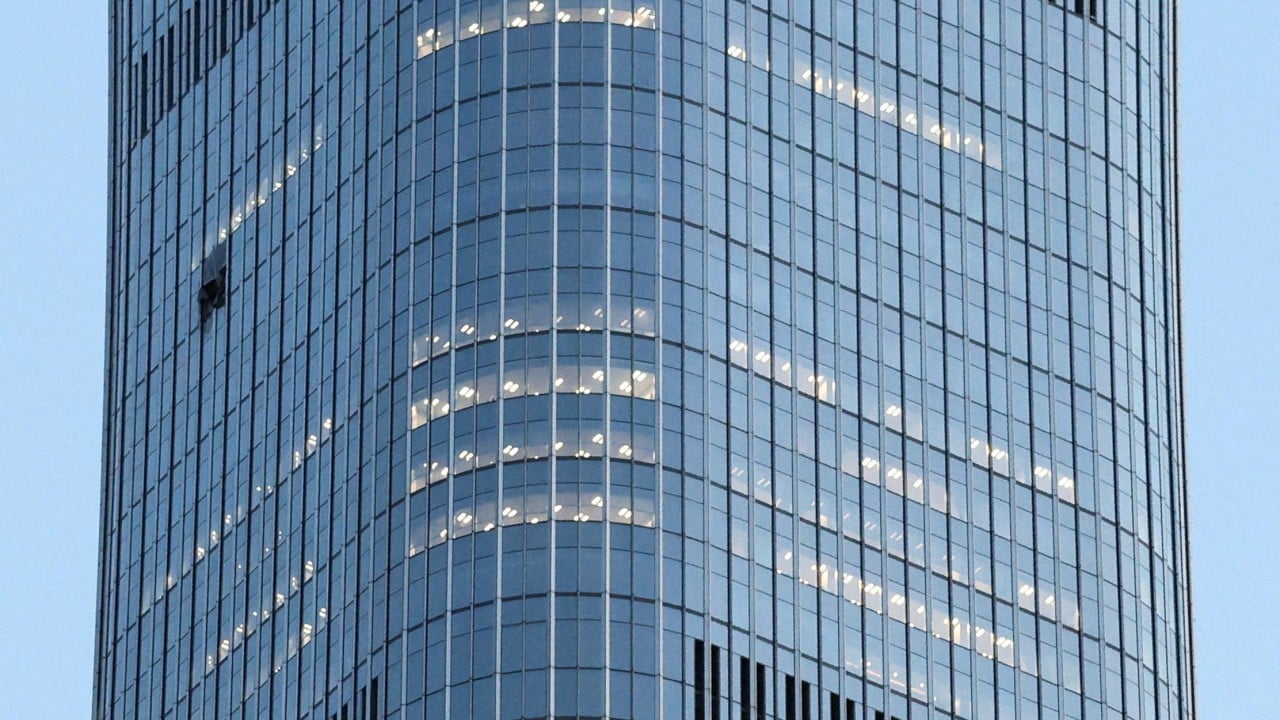
When official investigation reports surfaced regarding the catastrophic flight path that pointed toward the gleaming glass facade of the China Citic Tower, the public looked for mechanical failure. They looked for sudden atmospheric anomalies, fuel contamination, or catastrophic structural fatigue. Instead, the investigators pointed toward something far more difficult to quantify, analyze, or repair. They found a history of severe, unmanageable anxiety.
Consider the invisible burden of a professional pilot. Every day, they walk through terminal gates carrying the literal weight of hundreds of lives on their shoulders. They are tested constantly. Their physical health is scrutinized down to the heartbeat, their vision checked to the millimeter, their reflexes timed to the millisecond. Yet, this intense scrutiny creates a terrifying paradox: the very system designed to keep flights safe forces pilots to hide the one thing that makes them human—their vulnerability.
Imagine a pilot we will call Captain Chen. This is not a profile of a single flawed individual, but a composite of the immense psychological pressure cooker that defines modern aviation. Chen has dedicated his entire life to the sky. He survived the brutal washouts of flight academy, logged thousands of grueling hours in regional turboprops, and finally earned the coveted left seat of a major carrier. To his neighbors, he is a success story. To his family, he is a provider.
But six months ago, something shifted. It started as a subtle tightening in the chest during pre-flight briefings. Then came the insomnia, the persistent dread that accompanies the realization that your margin for error is exactly zero. In any other profession, an employee experiencing a profound mental health crisis can take a sick day, talk to a therapist, or seek a temporary prescription.
For a pilot, that exact sequence of actions is professional suicide.
The aviation industry operates on a strict medical certification model. If a pilot reports a diagnosis of clinical anxiety or depression, or admits to taking widely prescribed, highly effective modern medications, their medical certificate is suspended. Grounded. Instantly, their livelihood vanishes. The financial ruin is immediate, but the loss of identity is worse. A grounded pilot is a sailor marooned in a desert. They are stripped of their wings, left to wait through months or even years of bureaucratic red tape to prove they are "cured."
So, Chen did what thousands of pilots around the globe do every single day. He stayed quiet.
He smiled at the cabin crew. He made lighthearted announcements over the public address system about the weather in Beijing. He checked his instruments with practiced precision. But beneath the crisp white uniform shirt, his heart raced at a resting rate of one hundred beats per minute. His palms swept secretly against his trousers to wipe away the cold sweat before he gripped the thrust levers. He became an actor playing the role of a pilot, trapped inside a multi-million-dollar tube of aluminum moving at eight hundred kilometers per hour.
The human mind is resilient, but it is not unbreakable. When chronic anxiety is starved of expression and treatment, it mutates. It impairs spatial awareness. It narrows the visual field, a phenomenon psychologists call tunnel vision, where a stressed individual physically cannot process peripheral data. It slows cognitive processing during moments of sudden crisis.
When the aircraft encountered unexpected complications on its approach, the compounding stress broke the fragile dam holding back Chen's internal storm. The data on the screens ceased to be a cohesive picture of flight metrics; it became a chaotic blur of flashing lights and warning chimes. The investigation would later label the crash as pilot error, pointing to a series of erratic inputs that steered the aircraft off its designated path. But the true error occurred years prior, built into the structural foundation of how we manage the minds of those who fly.
This is not an isolated tragedy, nor is it a problem unique to one airline or one nation. It is a systemic flaw that spans the global aviation network. We have spent billions of dollars engineering aircraft that can land themselves in zero-visibility blizzards, yet we have spent almost nothing creating a psychological safety net for the human beings tasked with monitoring those systems.
The aviation community often boasts about its "Just Culture"—a philosophy where employees are encouraged to report mistakes or safety hazards without fear of retribution. If a mechanic drops a wrench into an engine cowl, they can report it immediately, knowing they will be protected because revealing the mistake prevents a future disaster. But this grace stops abruptly at the boundary of mental health. If a pilot reports that the engine inside their own head is failing, the system treats them not as a patient to be healed, but as a liability to be discarded.
The irony is agonizing. By maintaining a zero-tolerance, punitive stance on mental health struggles, regulatory bodies do not eliminate anxiety from the cockpit. They merely eliminate the reporting of anxiety. They ensure that the pilots flying through turbulent skies are doing so while battling an internal tempest, entirely unassisted.
The solution requires a fundamental shift in how we define fitness for duty. True safety does not mean pretending that pilots are immune to psychological suffering. True safety means acknowledging that pilots experience grief, divorce, financial panic, and clinical anxiety just like the passengers sitting behind them. It means creating pathways where a pilot can step forward, declare that they are struggling, receive immediate, evidence-based psychological support, and know with absolute certainty that their career will be waiting for them on the other side of recovery.
Until that shift occurs, the shadow of the China Citic Tower incident will loom over every runway. We will continue to build taller towers, faster planes, and more sophisticated automated systems, while ignoring the fragile human heartbeat at the center of it all.
Next time you board a flight and hear the calm, reassuring voice of the captain welcoming you aboard, listen closely to the cadence of their words. Understand that behind that practiced serenity is a human being navigating the immense pressure of our expectations. They deserve more than our blind trust. They deserve a system that allows them to be human, so they can keep the rest of us safe.