The frost does not merely coat the eyelashes; it claims them. Up here, where the breath turns instantly to microscopic needles of ice, silence is not a poetic abstraction. It is a physical weight.
Stand on the southern coast of Greenland in the dead of winter, and you will feel the breath of the Arctic Ocean pushing down from the pole. It smells of nothing—only ancient, compressed purity and the sharp, metallic tang of absolute cold. For centuries, this island of towering glaciers and barren rock was viewed by the rest of the world as a white blank spot on the map. A colossal ice cube guarding the top of the world. A place where nothing happened, and nothing was expected to change.
We were wrong.
Far beneath the surface of that continental ice sheet, silent currents are shifting. The geopolitical ice is breaking up. And as the great powers of the northern hemisphere look north, they see something that has eluded them for generations: a new highway of trade, a vault of untapped minerals, and the most vulnerable flank on Earth.
To understand why Washington and Moscow are suddenly staring each other down across the Denmark Strait, you have to look at a globe from the top down. Forget the flat maps hanging in high school classrooms that stretch Greenland out into a giant white monolith. Look at it from the North Pole. You will see that Greenland is not an island at the edge of nowhere. It is the central pillar of the Arctic bridge connecting North America to Europe and Asia.
And that bridge is melting.
Consider the fisherman standing on the docks of Kangerlussuaq, watching chunks of blue-tinged ice the size of apartment buildings drift out into the fjord. He remembers when the bay froze solid by November, allowing dog sleds to cross safely to the hunting grounds. Now, the ice breaks in October. The seals are harder to find. The traditional paths of his ancestors are gone, replaced by open, turbulent water.
Yet, where the local hunter sees the fragile unraveling of a way of life, foreign capitals see opportunity.
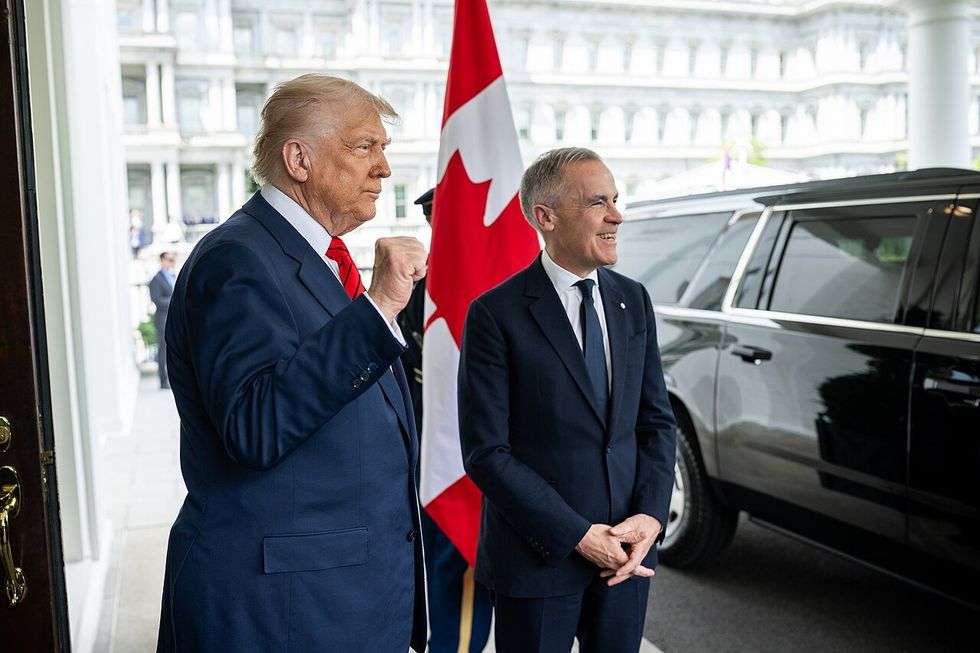
When political leaders in Washington began voicing renewed strategic interest in acquiring or heavily fortifying Greenland, it was easy for cable news networks to treat it as a bizarre diplomatic footnote. A passing headline. But the reality on the ground was far more calculated. The melting ice is opening up the Northwest Passage and the Transpolar Sea Route. Shipping lanes connecting Shanghai to Rotterdam via the Arctic shave thousands of miles and weeks of travel time off traditional southern routes through the Suez Canal.
Whoever controls the approaches to Greenland controls the throat of the new global economy.
And Moscow knows it.
For the past decade, the Russian Federation has methodically rebuilt its northern military apparatus. Along the desolate Siberian coast, Soviet-era military bases have been scrubbed clean of rust and reborn as sleek, nuclear-capable interceptor stations. Deep-water ports have been dredged to berth the world's largest fleet of nuclear-powered icebreakers. These are not rusty relics of the Cold War; they are state-of-the-art floating fortresses designed to project power into a region that was previously impassable.
When Russian long-range bombers sweep down toward the GIUK gap—the choke point between Greenland, Iceland, and the United Kingdom—they are testing the nervous system of Western defense. They are reminding anyone who cares to look that the Arctic is no longer a neutral buffer zone.
It is a theater of operations.
This is why the diplomatic friction over Greenland has grown so intense. It is not about real estate. It is about defensive depth. During the Cold War, the Distant Early Warning line watched the skies for incoming Soviet missiles coming over the top of the world. Today, the stakes are multidimensional. Beneath the retreating glaciers lie vast, unexploited reserves of rare earth elements, critical minerals like neodymium and dysprosium that are the absolute lifeblood of modern electronics, electric vehicles, and advanced guidance systems.
Right now, global supply chains for these minerals run through a handful of overseas choke points. Greenland offers an alternative. But mining them requires infrastructure, capital, and above all, stability.
If you introduce foreign capital from competing superpowers into an autonomous territory striving for complete independence from Denmark, the diplomatic chessboard becomes violently complex.
Walk through the streets of Nuuk, the capital, and you will hear a quiet, fierce debate spoken in Kalaallisut. The younger generation of Greenlanders wants economic sovereignty. They want self-reliance. They know that the fish in their waters and the minerals in their mountains represent their ticket to true independence. But they also look south and east and see the looming shadows of giants. They do not want to trade Danish oversight for American militarization or Chinese resource extraction. They want to chart a course through waters that are literally and figuratively uncharted.
The tragedy of the high north is that its beauty is preserved by its hostility. The extreme cold has historically acted as a natural shield, keeping industrial plunder at bay simply because it was too expensive and too dangerous to operate there.
That shield is failing.
Every degree Celsius the Arctic warms up is a degree of tactical advantage for nations looking to project power across the roof of the world. The power grab is not coming with the thunder of artillery. It is arriving in the quiet hum of satellite telemetry, the diplomatic whispers in paneled boardrooms, and the low, heavy drone of heavy icebreakers chewing through multi-year pack ice in the dead of the polar night.
The ice is speaking to us. We would do well to listen before the silence is broken forever.