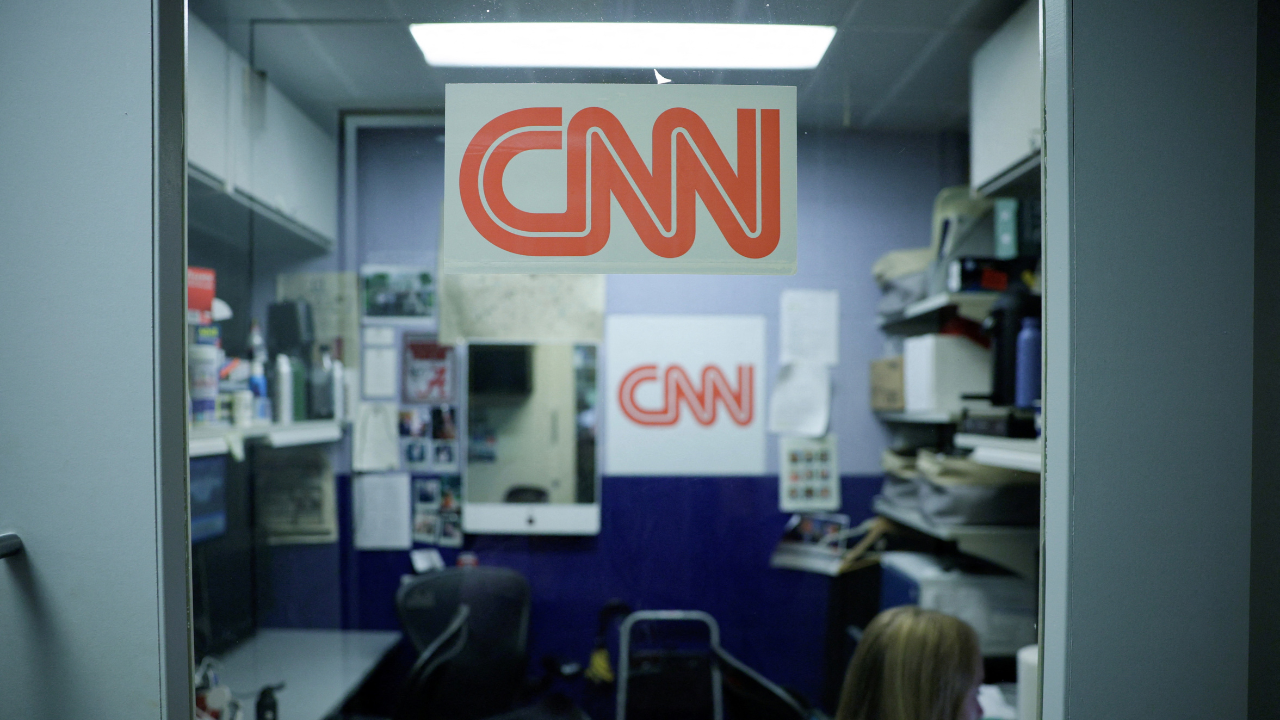
The collective meltdown over courtroom access ignores a much uglier reality. Network anchors and legacy political outlets are throwing a tantrum because their designated seating chart got revoked, and the public is supposed to care about constitutional principles. Let us be entirely clear about what is actually happening here. This is not a heroic crusade for freedom of the press. This is a corporate lobbying battle over brand real estate disguised as First Amendment martyrdom.
I have spent enough years watching media conglomerates posture from the briefing room chairs to know how this game works. CNN, Politico, and the rest of the alphabet networks treat the press briefing room like a country club locker room. They rely on routine administrative access to manufacture the illusion of accountability while trading in lazy narrative recycling. When the executive branch slams the door, they do not pivot to investigative grit. They run to the nearest judge to demand a court order forcing the government to let them back into the room so they can ask scripted questions about yesterday's leaked talking points. If you enjoyed this article, you might want to read: this related article.
The Myth Of The Access Economy
For decades, the mainstream press corps traded real adversarial pressure for proximity. Access became a substitute for reporting. If you have a permanent badge, a designated seat, and a microphone that gets handed to you by rotation, you belong to the club. And when you belong to the club, you pull your punches.
The lazy consensus in every newsroom right now claims that denying reporters physical entry to a press briefing constitutes an existential threat to democracy. That argument collapses the second you examine the actual output of those briefings. How many major investigative scoops have originated from the live afternoon shouting match between a press secretary and a reporter reading tweets off their phone in the last five years? Close to zero. Most briefing room exchanges are performative theater. The administration stonewalls, the reporter drops a snappy zinger for their social media clip, and millions of viewers walk away less informed than when they tuned in. For another perspective on this story, see the latest coverage from BBC News.
Shutting down physical press access does not silence the media. In the digital era, geographic proximity to a podium means nothing. Every official document, every public schedule, every regulatory filing, and every financial disclosure is available online instantly. If legacy outlets spent half the energy digging through primary source data that they spend drafting emergency injunctions, they might actually break a story. Instead, they treat the loss of a physical chair as a crisis because their business model depends on visual validation. They need viewers to see them sitting in the room to prove they matter.
Why The Legal Strategy Backfired
The court battle itself is a masterclass in missing the forest for the trees. Attorneys representing these networks trot out administrative law precedents, arguing that once the government opens a public forum, it cannot arbitrarily exclude specific speakers based on viewpoint. On paper, that sounds compelling. In practice, it exposes a profound lack of strategic foresight.
Do you really want courts deciding who qualifies as a legitimate member of the press corps? Because the moment you invite the judiciary to arbitrate who gets a White House press pass, you hand the executive branch a legal blueprint for weaponizing licensing criteria against independent outlets, substack writers, and non-traditional platforms. The legacy networks are so blinded by their own institutional entitlement that they are begging the state to formalize barriers to entry. They assume the courts will always rule in favor of the incumbent giants. That is a dangerous gamble.
When you demand that the government recognize your special status through judicial mandate, you acknowledge that the state has the authority to grant or withhold press credentials based on institutional pedigree. That is the exact opposite of a free press. A truly independent press does not sue the government for a seat at the adult table; it builds its own table outside.
The Unspoken Incentive Structure
Let us look at the financial architecture driving this emergency hearing circus. Traditional cable news and legacy digital publications are bleeding ad revenue and subscriber trust. Their primary product is not news; it is outrage and institutional grievance.
When CNN or Politico splash headlines about being locked out of the White House, they are executing a predictable engagement strategy. Martyrdom sells subscriptions. It rallies the core donor base and the institutional loyalties of readers who confuse media brand loyalty with civic duty. The executives orchestrating these lawsuits know full well that the substantive journalism coming out of those briefings is negligible. They are protecting their monopoly on proximity. They want to ensure that independent creators, podcasters, and niche investigators remain locked outside while the oligopoly maintains its exclusive franchise on Washington access.
I have seen legacy organizations spend millions of dollars on legal fees fighting for administrative perks while gutting their investigative reporting budgets. The priorities are entirely inverted. They would rather spend a quarter million dollars on high-profile appellate lawyers to secure a parking spot near the West Wing than fund a six-month investigation into municipal bond corruption or federal contracting waste.
The Uncomfortable Truth About Objectivity
The defense of the traditional press corps rests on the tired assumption that these outlets act as neutral arbiters of truth. That premise expired long ago. Modern political reporting is an insular feedback loop where journalists and staffers share the same social circles, attend the same dinner parties, and operate within the same ideological echo chamber.
When the White House restricts access to specific outlets, it disrupts the cozy cartel of insider journalism. That disruption, frankly, is long overdue. If losing a physical press badge forces mainstream reporters out of their lazy afternoon routine and back into the field to do actual shoe-leather reporting, the public wins.
The real danger to a free society is not a president who denies press passes to hostile or sycophantic networks alike. The real danger is a media apparatus that has become so intellectually lazy, so dependent on corporate handouts, and so addicted to institutional validation that it cannot function without a government-sanctioned microphone. Stop treating the loss of a press pass as the death of the Fourth Estate. It is merely the eviction of tenants who stopped paying rent a long time ago.
What Real Accountability Looks Like
Real accountability does not happen under the blinding lights of a press briefing room while a spin doctor pivots away from a tough question. It happens in state archives, in leaked internal memos, in forensic financial audits, and in interviews conducted far away from Washington press secretaries.
If you want to fix the state of political journalism, stop defending the institutional gatekeepers. Let them fight their losing turf wars over West Wing seating charts. The future of independent verification belongs to those who refuse to beg the state for permission to speak, and who understand that real reporting starts the moment you walk away from the podium.


