We used to worry about summer rain showers ruining a baseball doubleheader or a soccer match. Now, we check the Air Quality Index (AQI) before we even buy a ticket.
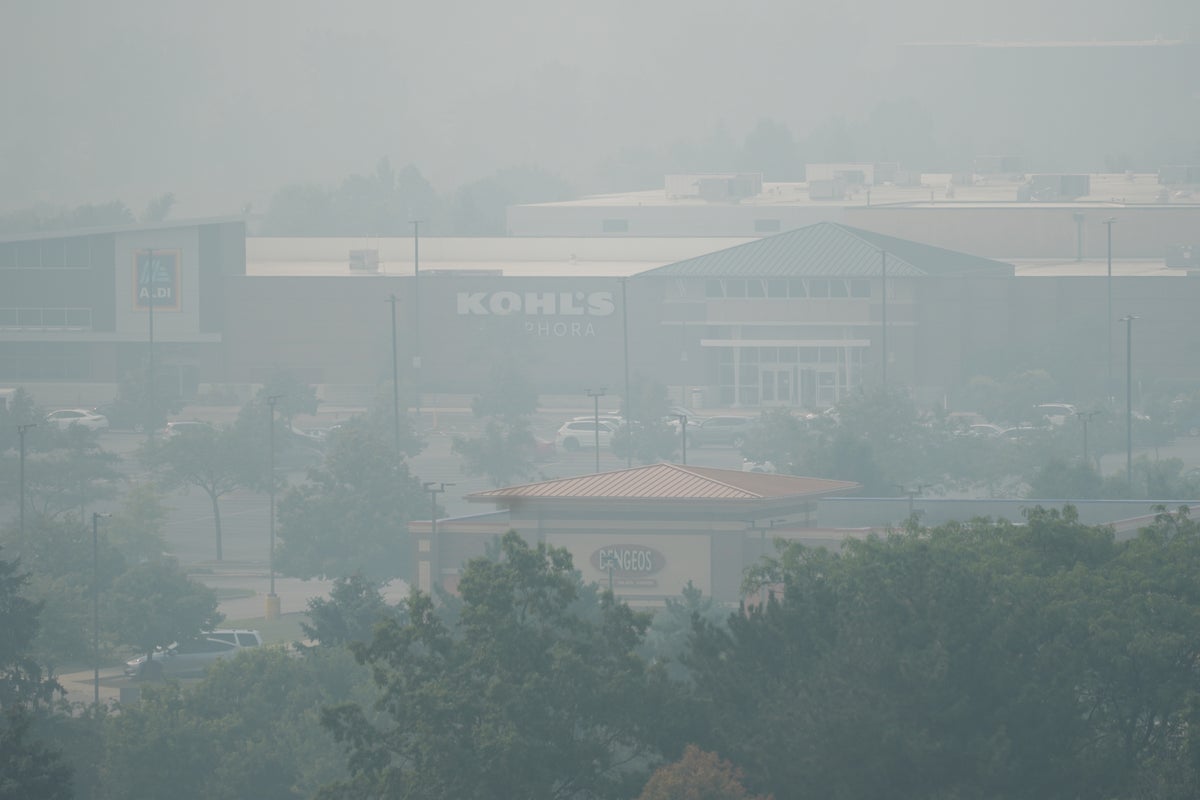
On July 16, 2026, the sporting world got another harsh reminder that the climate has changed the rules of the game. Pungent, orange-grey wildfire smoke traveling from Canada and northern Minnesota drifted across the Great Lakes and right down the Eastern Seaboard. The resulting toxic haze disrupted major sporting events, forced scheduling scrambles, and sparked heavy debate among athletes about whether they should even be playing.
This isn't a temporary blip. It's the new reality for outdoor sports in North America.
The Chaos on the Field
In Philadelphia, Major League Baseball officials made a last-minute decision to move the start time of the highly anticipated New York Mets and Philadelphia Phillies matchup. Originally scheduled for 7:10 p.m. EDT, the league bumped the game up to 6:10 p.m. EDT. The goal was simple: try to squeeze the game in before a lingering high-pressure system could trap even thicker smoke closer to the ground later in the evening.
It was the only Major League Baseball game scheduled immediately following the All-Star break, making a postponement a logistical nightmare. Players weren't exactly thrilled.
"It's definitely different," Phillies first baseman Bryce Harper said during the broadcast. "Not the greatest idea, I guess, to come out here and play in this type of weather, but we're doing it."
Meanwhile, things were far worse in Chicago.
At Soldier Field, Major League Soccer was forced to call off the match between the Chicago Fire and the Vancouver Whitecaps entirely. The game, which was expected to pull in a massive crowd of 40,000 fans, was postponed along with a planned postgame concert. The league rescheduled the match for October 6, 2026, creating an awkward late-season schedule squeeze.
The Canadian Premier League also had to pull the plug on a game in Hamilton, Ontario, between Forge FC and Pacific FC. Officials noted that air quality deteriorated so rapidly in the final hours before kickoff that they had no choice but to protect the players.
When the Show Goes On Regardless
The pressure to play through hazardous air is immense. Sports are a multi-billion-dollar entertainment machine. When you postpone a game, you deal with furious ticket holders, angry television networks, and massive logistical headaches.
We saw this play out on July 15, 2026, during the National Women's Soccer League (NWSL) match between the Washington Spirit and Gotham FC at New York's Citi Field. Over 42,000 fans packed the stadium—a record for a women's sporting event in New York City.
The air quality was atrocious. Because temperatures soared into the 90s alongside the heavy smoke, the league mandated hydration breaks every 15 minutes.
US Women's National Team star Trinity Rodman didn't hold back her criticism.
"If we have to have a hydration break every 15 minutes, then we shouldn't be playing the game, and that's my opinion," Rodman said after the match. "But at the end of the day, there's 40,000 people. It's a whole event, so it's really tough."
What Breathing This Stuff Does to an Athlete
When we talk about poor air quality, we aren't just talking about a bad smell or hazy views of the city skyline. We are talking about PM2.5—tiny, microscopic particulate matter suspended in the air.
These particles are small enough to bypass your respiratory tract's natural filtration systems. They lodge deep in the lungs and can even enter the bloodstream. For an average person walking to their car, it causes coughing and itchy eyes. For a professional athlete running miles at peak exertion, it is dangerous.
- Decreased Lung Capacity: Breathing heavy particulate matter causes immediate broncho-constriction. Your lungs physically tighten, making it incredibly difficult to take deep, satisfying breaths.
- Rapid Fatigue: With restricted airways, your heart has to work twice as hard to pump oxygenated blood to your muscles. Athletes hit their threshold much faster than they normally would.
- Long-Term Recovery Issues: Systemic inflammation triggered by PM2.5 inhalation doesn't just disappear when the game ends. It can linger for days, impairing muscle recovery and leaving players vulnerable to respiratory infections.
The Push for Clear Policy Limits
Right now, sports leagues are mostly winging it. They rely on local air quality readings and make ad-hoc decisions hours before the gates open. In June 2023, the Phillies had to cancel a game against Detroit because of similar Canadian smoke. Three years later, we are still watching leagues handle these issues on a case-by-case basis.
We need firm, standardized limits.
Leagues must adopt a hard cutoff point on the AQI scale. If the AQI exceeds 150—the threshold where the air becomes unhealthy for the general public—the game should be postponed automatically. No negotiations. No early start times to "beat the worst of it."
Furthermore, training facilities and stadiums need to invest in heavy-duty commercial air filtration systems for indoor spaces, locker rooms, and training tunnels. If players are forced to compete in these conditions, they at least deserve clean air the moment they step off the field.
Keep an eye on the AQI map if you plan on attending any outdoor games this season. Pack a high-quality mask in your bag, and don't be surprised if your favorite team's schedule gets thrown into chaos. Outdoor sports are officially at the mercy of the climate.