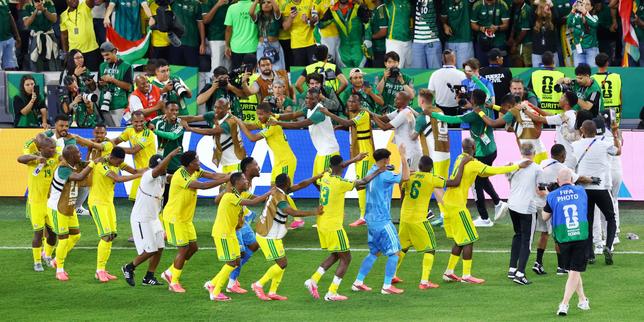
Every four years, billions of people stop what they are doing to watch twenty-two people kick a ball around a grass field. On paper, it sounds absurd. But anyone who has ever sat in a packed stadium or a crowded bar during the World Cup knows it is never just about football. The tournament changes how nations interact. It forces people who speak different languages to share the same emotional space. The World Cup brings cultures together through a shared spectacle of passion and color, creating a temporary global community that nothing else can replicate.
Look at Qatar in 2022. Critics predicted a logistical disaster. Instead, we saw Moroccan fans celebrating alongside Saudis, and Japanese supporters cleaning up stadiums while wearing traditional kimonos. It was a massive collision of traditions. It worked because football gives everyone a common language. When your team scores, you don't care who is sitting next to you. You hug them.
The Global Power of the World Cup
People watch sports for the drama, but they show up to the World Cup for the identity. This tournament acts as a massive mirror for global culture. Every country brings its own distinct flavor to the party, turning host cities into living, breathing exhibitions of human diversity.
Think about the Brazilian torcida. They don't just watch a match; they turn the entire neighborhood into a carnival with samba drums and yellow shirts. Compare that to the synchronized, thunderous thunderclap of Icelandic fans, or the melodic, nonstop chanting of Argentinian supporters. These are not just fan clubs. They are exported pieces of national heritage. When these groups meet in the streets of a host city, something incredible happens. They don't fight. They exchange jerseys, share food, and teach each other their songs.
This cultural exchange creates lasting impacts long after the final whistle blows. Host countries undergo a rapid transformation. Local businesses adapt to international tastes, and residents get a front-row seat to customs they might have only seen on a screen. It shatters stereotypes faster than any diplomatic summit ever could.
Moving Beyond Simple Tourism
Most international events are sterile. Conventions and trade shows happen in closed rooms. The World Cup takes over entire countries. It forces people out of their comfort zones and into shared spaces where true connection happens.
Take a look at how fan zones operate. You have thousands of people from opposite sides of the globe standing shoulder to shoulder.
- Fans learn basic phrases in five different languages just to buy food.
- Traditional clothing becomes a point of pride and curiosity rather than division.
- Street musicians blend their rhythms with foreign chants, creating entirely new soundtracks for the host cities.
This isn't forced diversity. It is organic, messy, and beautiful. You see Mexican fans putting giant sombreros on local police officers for a photo, or Senegalese supporters dancing with Polish fans in the rain. These moments don't happen because people are trying to be polite. They happen because the shared anxiety and joy of the tournament strips away our usual social guards.
Why Football Connects Us When Other Things Fail
Football is simple. That is its secret weapon. You need a ball and something to mark two goalposts. Because the barrier to entry is so low, the entire planet understands the rules, the stakes, and the heartbreak.
When a player steps up to take a penalty kick in the 90th minute, the tension is identical whether you are watching in a luxury suite in London or on a cracked phone screen in a village outside Nairobi. That shared heartbeat is powerful. It creates an instant bond between strangers. The World Cup leverages this simplicity to build bridges across deep political and cultural divides. For one month, the world agrees on the rules of engagement.
If you want to truly experience this cultural phenomenon during the next tournament, don't just stick to the tourist spots. Find the small, local viewings. Walk through the fan parks early in the day when different groups are just starting to mingle. Trade a scarf with someone from a country you know almost nothing about. Talk to the people who traveled halfway across the world just to see their flag on the big screen. You will quickly realize that the score on the board is the least interesting part of the experience. The real magic is happening right next to you in the stands.