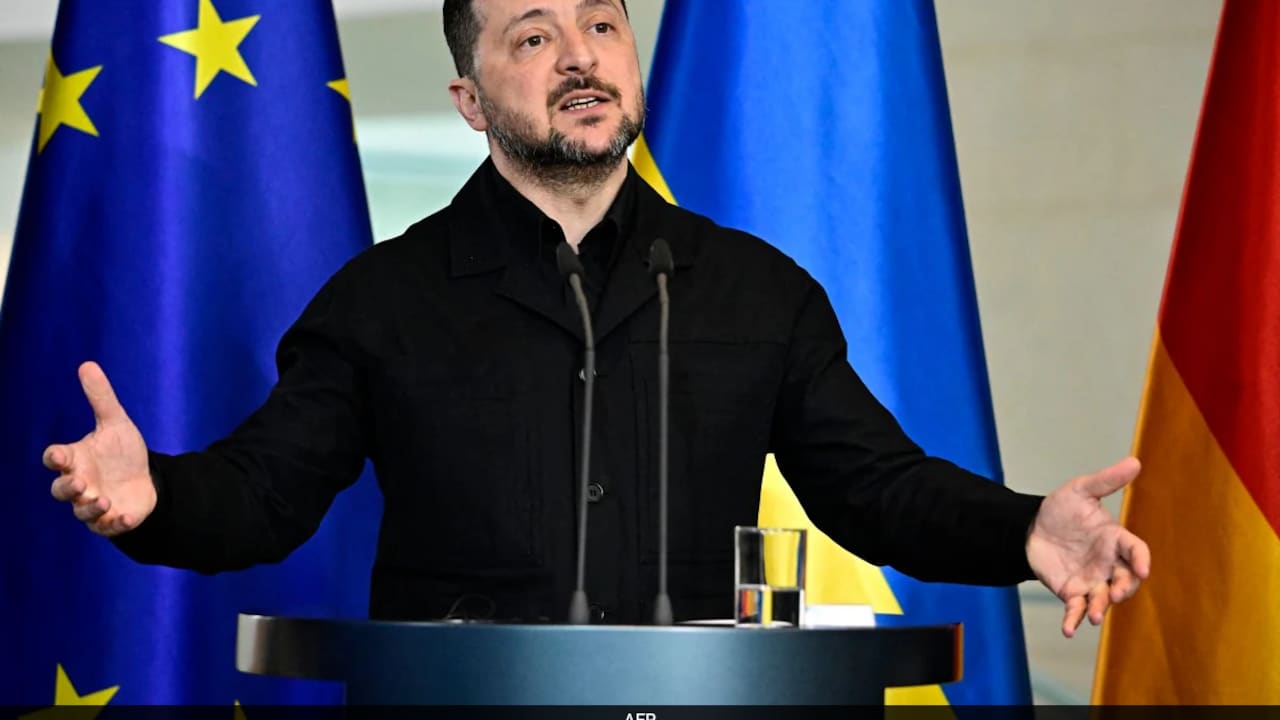
Ukrainian President Volodymyr Zelensky is heading into a high-stakes gathering with all 100 US senators in Washington. This isn't just another diplomatic photo op. It coincides directly with a long-awaited push on a major Russia sanctions bill.
If you've been trying to figure out how Washington plans to squeeze Moscow's energy revenues next, this meeting is the epicenter. Let's break down what's actually happening behind closed doors, why the timing matters, and what this vote means for the broader conflict. Recently making waves lately: Netanyahu Washington Trip Exposes the Fractured Alliance Behind Middle East Strategy.
The Washington Backdrop
All members of the US Senate received invitations for a special evening session with Zelensky. The Ukrainian leader is in town to attend the funeral of late Republican Senator Lindsey Graham, who spent months championing aggressive economic penalties against the Kremlin. Graham's sudden passing left a massive leadership gap in foreign policy, but it also lit a fire under lawmakers to push his signature legislation across the finish line.
Senate aides have confirmed that floor action on Graham's pending sanctions package could kick off right while Zelensky is in the building. Lawmakers want to show unity. They want to show momentum. Further details on this are covered by Associated Press.
Inside the Sanctions Bill
Let's look at what the legislation actually targets. For over a year, this specific bill has stalled due to debates over how aggressive the penalties should be and how much discretionary power it hands to the White House.
The core objective is starving Russia's war chest by cutting off revenues generated from energy sales. Earlier drafts floated blanket tariff levels as high as 500 percent on nations continuing to buy Russian petroleum or uranium. Lawmakers ultimately dialed that back to a 100 percent tariff level to secure broader, veto-proof backing.
The primary targets are countries acting as middlemen, helping Moscow bypass Western restrictions by purchasing discounted oil and feeding cash straight back into the Putin administration. By tightening these secondary enforcement mechanisms, Washington aims to close major loopholes that have kept the Russian economy afloat despite years of multi-national pressure.
Navigating Political Realities
Of course, passing major foreign policy legislation in Washington is never straightforward. Even with strong bipartisan momentum, internal debates persist over how these measures interact with executive branch authority.
President Donald Trump's administration reached an earlier compromise with key senators to advance an updated version of the framework. That deal gave the White House a degree of comfort, ensuring the text provides practical leverage for potential future negotiations rather than trapping the administration's hands completely.
Zelensky's presence adds immediate personal weight to the vote. Seeing the Ukrainian president face-to-face reminds senators of the human cost on the ground. It shifts the debate from abstract economic theory to an urgent security deadline.
What Comes Next on the Ground
Sanctions alone won't end a war, and nobody in Kyiv or Washington pretends they will. But economic containment acts as a choke collar.
As energy revenues face tighter restrictions and secondary buyers think twice about secondary penalties, the financial breathing room for military operations narrows. Watch the vote tallies closely this week. If the Senate passes the package with the overwhelming numbers leadership expects, it sends an unambiguous message to Moscow that bipartisan resolve in Washington remains intact.