Campaign promises are easy to make on the trail, but municipal law has a funny way of crashing the party. New York City Mayor Zohran Mamdani learned that lesson the hard way this week.
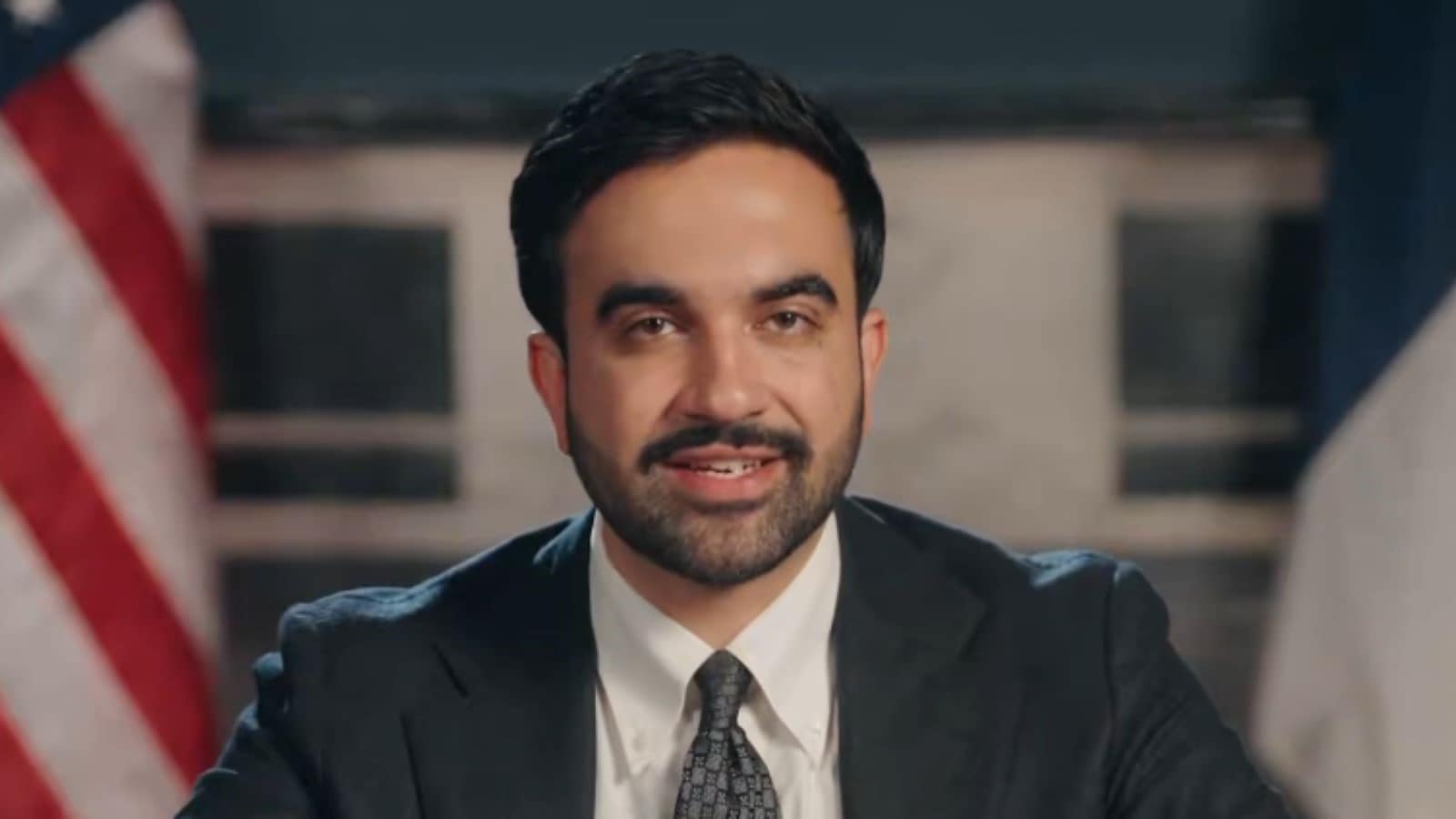
After months of insisting his administration would enforce an International Criminal Court (ICC) warrant to arrest Israeli Prime Minister Benjamin Netanyahu during his upcoming visit for the United Nations General Assembly, Mamdani officially pulled back. In a video posted to his social media, the self-described democratic socialist admitted what legal experts had been shouting from the rooftops for over a year: New York City simply doesn't have the legal authority to execute an ICC warrant. For an alternative view, consider: this related article.
It's a stark reality check for activist politics in City Hall. While Mamdani shifted his strategy toward urging the federal government to step in, the shift highlights the massive gap between symbolic campaign promises and the rigid boundaries of federal foreign policy.
The Legal Wall That Stopped the NYPD
When Mamdani first made the pledge during his 2025 mayoral campaign, it was a centerpiece of his platform to appeal to progressive and anti-war voters. He claimed the NYPD could be deployed to detain foreign leaders wanted by international bodies. But the U.S. legal system was never going to let that happen. Similar analysis on this matter has been published by The Guardian.
First, the United States is not a signatory to the Rome Statute, the treaty that created the ICC. Because Washington doesn't recognize the court's jurisdiction over non-member state citizens, an ICC warrant holds zero legal weight for American law enforcement agencies, including local police departments.
Second, federal law explicitly bars local governments from cooperating with the ICC. Foreign policy resides exclusively with the White House and Congress. Under federal statutes protecting visiting foreign officials and heads of state, any attempt by a city police officer to detain a recognized foreign leader would violate federal law.
In short, if Mamdani had actually ordered the NYPD to touch Netanyahu, those officers would likely be interfering with federal diplomatic immunity laws. The city’s Law Department spent weeks reviewing the options, only to land on the inevitable conclusion: New York City lacks independent authority in international diplomacy.
Shifting the Burden to Washington
Rather than quietly letting the promise fade away, Mamdani doubled down on his rhetoric while changing his legal stance.
"My administration has reviewed every avenue available under applicable law to determine whether New York City could execute the International Criminal Court's arrest warrant," Mamdani said. "It is clear that we do not have the independent legal authority to enforce this warrant."
He then called on federal authorities to execute the warrant instead, insisting that Netanyahu remains "not welcome in New York City."
Predictably, the political fallout was instant. Trump administration officials labeled Mamdani's rhetoric as political theater, noting that federal law protects diplomatic visitors. Israeli officials dismissed the mayor's statements as grandstanding. Meanwhile, local business leaders and legal scholars questioned why the city was spending time and resources having municipal attorneys audit international treaties.
The Reality of Municipal Power Limits
This retreat highlights a long-standing pattern in local politics. City mayors often use foreign policy issues as moral litmus tests to mobilize their base during elections. Once in office, however, the mundane realities of governance—charter limits, municipal liability, federal supremacy—take over.
Mamdani isn't the first mayor to run into this wall, but his high-profile backdown demonstrates the limits of symbolic governance. A mayor can set local zoning laws, manage the transit budget, and hire municipal staff, but they cannot rewrite international treaties or force local police to act as agents of Hague tribunals.
For voters and observers, the takeaway is clear: watch how candidates address city responsibilities vs. grand international gestures. If you're tracking municipal politics or evaluating campaign promises, always verify whether the office in question actually holds the legal power to execute what's being promised. When local leaders promise action on foreign affairs, check federal preemption laws first—because federal authority will win that showdown every single time.