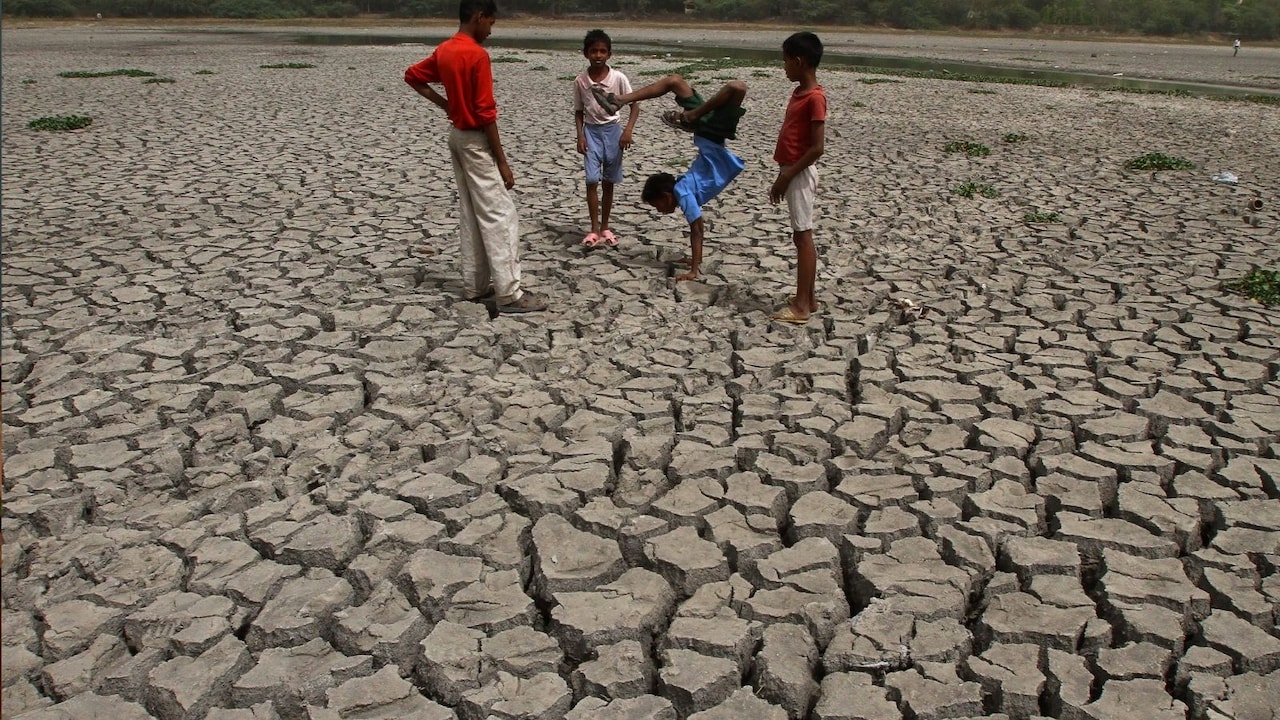
An estimated 451,000 additional human lives are projected to be lost to extreme temperatures during the current super El Niño cycle, exposing a lethal fracture in global public health infrastructure that world governments continue to ignore. When the Climate Impact Lab released its sweeping mortality forecast, the headline figures sparked momentary panic across newsrooms. Yet the deeper story is not merely that a naturally occurring climatic oscillation can turn lethal on a mass scale. The real scandal lies in the structural inequalities determining who survives the heat and who absorbs the brunt of the planetary fever.
For decades, meteorological warnings about the El Niño-Southern Oscillation treated temperature anomalies as mere atmospheric data points. Scientists charted the warming surface waters of the eastern tropical Pacific Ocean, tracked shifting jet streams, and measured rainfall displacement without fully accounting for the human body's hard biological limits.
The mechanism of heat mortality is relentlessly direct. When ambient temperatures and humidity exceed homeostatic thresholds, human cardiovascular and renal systems fail under the strain of continuous cooling efforts. Blood is diverted to the skin to dissipate heat, starving vital organs of oxygen. For the elderly, outdoor laborers, and those with underlying chronic conditions, this physiological stress triggers fatal heart attacks and strokes.
What makes the current crisis distinct is the collision between natural climate cycles and an already artificially superheated baseline. El Niño does not invent thermal extremes out of a vacuum. It acts as an amplifier, stacking an extra layer of thermal energy onto a global climate system already distorted by greenhouse gas accumulation.
The Geography of Disposable Populations
Global mortality averages conceal a stark apartheid of vulnerability. While researchers note that severe El Niño phases marginally reduce cold-related deaths in higher-latitude, wealthy nations with advanced infrastructure, those gains do not translate globally. The individuals spared from winter hypothermia in temperate zones share no biological or geographical overlap with the populations dying from tropical heat stress.
The burden falls overwhelmingly on the Global South. Predictive mapping isolates the Sahel region in Africa, parts of South and Southeast Asia, and localized pockets of Latin America as catastrophic hot spots. In the Sahel alone, tens of thousands of excess fatalities are directly linked to the prolonged atmospheric stagnation and compounding droughts accompanying the cycle.
Consider a hypothetical agricultural worker in a developing equatorial economy. Without access to air conditioning, reliable municipal water grids, or labor protections mandating midday breaks, this worker is entirely unprotected against consecutive weeks of wet-bulb temperature extremes. When national health systems are chronically underfunded, an influx of heat stroke patients overwhelms emergency rooms within days. The death certificate rarely lists "climate change" as the primary cause. Instead, the system records renal failure, cardiac arrest, or dehydration, obscuring the systemic policy failures driving the crisis.
The Predictability Paradox
Public health officials face an uncomfortable truth regarding extreme weather mortality. Unlike earthquakes or sudden flash floods, an El Niño event is one of the most predictable phenomena in Earth's climate system. Meteorologists identify the precursor signatures months in advance, granting authorities a clear runway to prepare defensive measures.
Despite this lead time, institutional inertia prevails. Investments flow into disaster response rather than structural adaptation. Building resilient urban micro-climates, deploying localized cooling centers, upgrading rural clinic infrastructure, and legally enforcing outdoor labor safeguards require sustained capital allocation. Governments routinely treat extreme heat as an acute, temporary emergency rather than a chronic baseline hazard requiring permanent systemic fortification.
The half-million death toll functions as an indictment of political priorities. Until heat mitigation is treated with the same urgency as infectious disease containment or seismic building codes, the cyclic warming of the Pacific will continue to expose how cheaply human life is valued at the margins of the global economy.