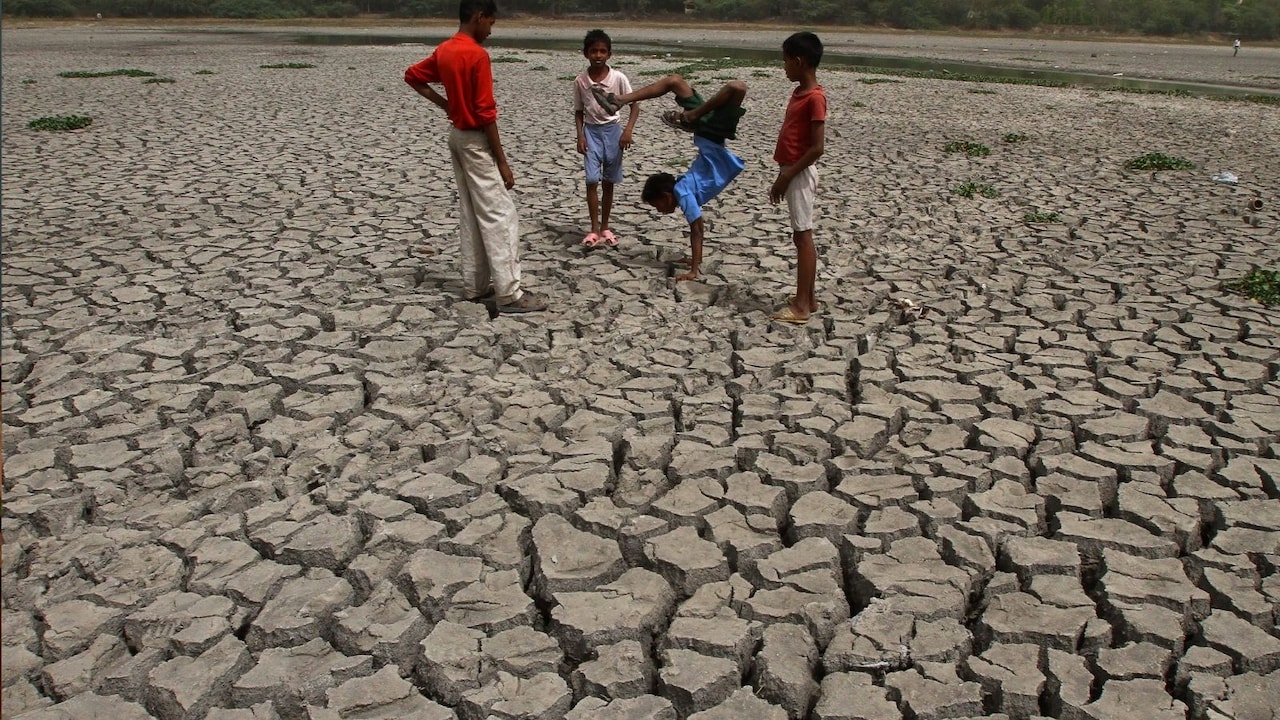
We tend to treat weather headlines like background noise until they directly threaten our doorstep. But a stark warning from the University of Chicago’s Climate Impact Lab changes that equation entirely. Researchers project that the current record-breaking super El Niño could trigger up to 451,000 excess deaths worldwide.
That is not a vague projection about distant climate tipping points. It is a calculated human toll spanning a critical six-to-nine-month window.
If you think this is just another seasonal weather cycle you can sleep through with the AC on, you are missing the bigger picture.
The Reality Behind the Numbers
El Niño events are natural climate phenomena, but this one is operating on steroids. Eastern Pacific temperatures spiked to 2.6 degrees Celsius above normal early in the cycle, leaving historical pacing in the dust.
When researchers at the Climate Impact Lab crunched the data to see what this means for human health, the output was grim. They estimate 451,000 additional heat-related fatalities compared to a standard baseline year.
The Global South will take the heaviest blow. Nations closer to the equator, with less robust infrastructure to handle extreme, sustained thermal stress, face devastating outcomes. Yet, wealthy nations aren't entirely immune. Even the United States is projected to absorb thousands of excess heat-related deaths as prolonged temperature anomalies settle in.
Why Traditional Heat Preparedness is Failing
We keep preparing for heatwaves like they are temporary inconveniences. Open a cooling center, hand out water bottles, tell people to stay indoors between noon and three.
That playbook is broken.
When a super El Niño locks extreme temperatures and humidity into place for months on end, the human body never gets a recovery window. Nighttime temperatures refuse to drop. Urban heat islands trap thermal radiation like an oven turned on low indefinitely.
Infrastructure across the globe was engineered for a climate that no longer exists. Power grids buckle under the strain of continuous air conditioning demands. When the grid fails during a multi-week heat dome, mortality rates spike exponentially. Hospitals fill up with patients suffering from acute heat exhaustion, cardiovascular strain, and renal failure.
The Disproportionate Toll on Vulnerable Populations
Extreme heat is an equal-opportunity hazard in theory, but entirely discriminatory in practice. Outdoor laborers, the elderly, urban residents without access to green spaces or reliable air conditioning, and communities with underfunded healthcare systems bear the brunt of these numbers.
When researchers point to 451,000 potential deaths, they are counting real people whose physiological limits are pushed past the breaking point. It is easy to look at climate reports as abstract spreadsheets. Put a human face on it, and it looks like an elderly resident trapped in a third-floor apartment with a broken window unit, or a construction worker forced to meet deadlines under a brutal, unrelenting sun.
Moving Past Passive Panic
We cannot simply wait out a climate anomaly of this magnitude. Waiting means writing off hundreds of thousands of lives as collateral damage of a warming planet.
Cities need to treat extreme heat with the same emergency response protocols reserved for hurricanes or major blizzards. That means mandatory cooling mandates for rental housing, automated health check-ins for vulnerable demographics, and strict regulatory protections for outdoor workers that carry real penalties for violations.
This super El Niño is acting as a brutal stress test for our global society. Ignore the warning signs, and the 451,000 forecast becomes a grim reality. Pay attention, adapt how we build our cities, and treat heat waves as the lethal emergencies they actually are.