Progress hits a wall when it tries to pave over a nursery. Nearly 600,000 people just drew a hard line in Tennessee, proving that a tiny endangered cat carries more weight in the public imagination than another server farm.
When digital infrastructure company DC Blox targeted a 23.49-acre plot at 648 Grassmere Park—sitting directly adjacent to the Nashville Zoo—they likely expected standard bureaucratic friction. Instead, they triggered a nationwide uproar. At the center of the pushback stood Mayuree, a four-month-old clouded leopard cub born at the facility. Her image became the rallying cry for a movement that exposed the raw friction between unchecked tech expansion and fragile wildlife conservation.
What the Proposed Data Centre Actually Meant for the Zoo
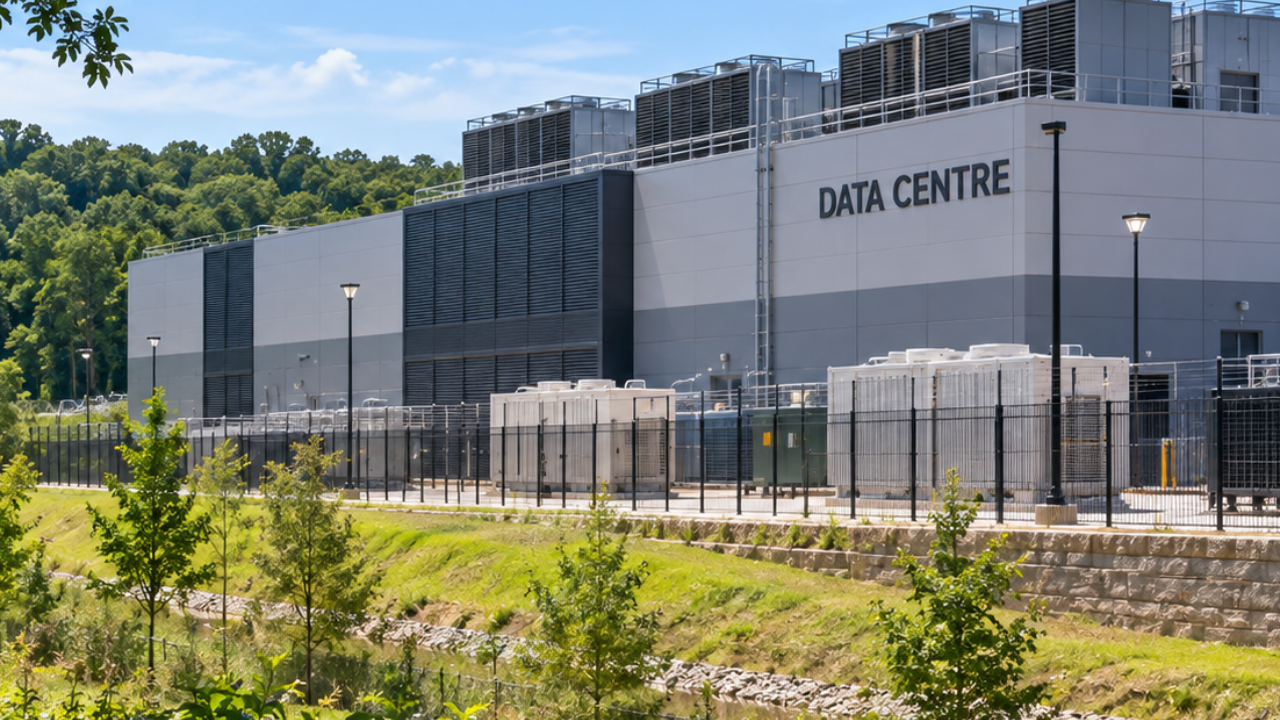
The blueprint called for a 69,220-square-foot single-storey data centre. To tech developers, it is routine real estate. To zoologists, it is a persistent industrial neighbor operating 24 hours a day.
Data centres don't sleep. They hum, roar, and vent heat constantly. Massive cooling systems, heavy-duty backup generators, and sprawling arrays of server racks create a heavy acoustic and visual footprint. Nashville Zoo officials pointed out the obvious danger: constant mechanical drone and harsh artificial lighting do not mix with sensitive animal habitats.
Clouded leopards require quiet, stable environments to thrive and breed. As part of the Association of Zoos and Aquariums' Species Survival Plan, the Nashville Zoo has built a long-standing reputation for breeding these rare cats. Mayuree marked the 51st clouded leopard born at the facility since 1991. Exposing animals undergoing critical conservation breeding programs to continuous industrial noise and light pollution is a risk experts refuse to take lightly.
How a Local Zoning Dispute Turned Into a National Movement
When the zoo launched its Change.org petition in June 2026, the response was immediate. The numbers climbed past 400,000 within days, eventually cresting near 600,000 signatures by late summer. High-profile figures like country music star Brad Paisley lent their voices to the cause, amplifying a local disagreement into a national debate over where modern infrastructure belongs.
DC Blox defended its intentions. The company asserted that the facility could be engineered with closed-loop or waterless cooling systems and that it would strictly adhere to local noise and environmental ordinances. They argued that much of the public anxiety stemmed from overstated claims about the facility's real-world impact.
Skepticism remains the default setting for communities watching tech footprints expand. Data centres are notorious resource hogs. They pull massive volumes of electricity and water from local grids, raising legitimate fears about watershed strain and power stability. When a project like this parks itself feet away from a sensitive ecological sanctuary housing over 3,000 animals, promises of "careful engineering" rarely satisfy the public.
The Policy Shift Behind the Backlash
Public outrage changed the political reality on the ground. Local lawmakers didn't ignore half a million angry constituents. Nashville officials introduced temporary moratoriums and legislative restrictions targeting large-scale data centre developments. Conversations even opened up regarding potential city steps to acquire the disputed property outright to keep industrial zoning far away from the zoo's borders.
This clash signals a broader turning point. Municipalities are waking up to the reality that digital expansion cannot blindly override community spaces and conservation zones. Real estate choices carry ecological consequences.
Protecting a species like the clouded leopard takes decades of coordinated breeding, specialized care, and absolute dedication from wildlife staff. Undoing that progress for a building full of servers is a trade-off a growing number of people refuse to accept. The success of the petition proves that communities will mobilize rapidly when developers forget what lives next door. Take a close look at zoning laws in your own backyard before heavy machinery rolls in, because public pressure remains the most effective tool to keep industrial sprawl in check.