Money talks. Right now, it's whispering budget shortfalls while national security alarms ring loud and clear.
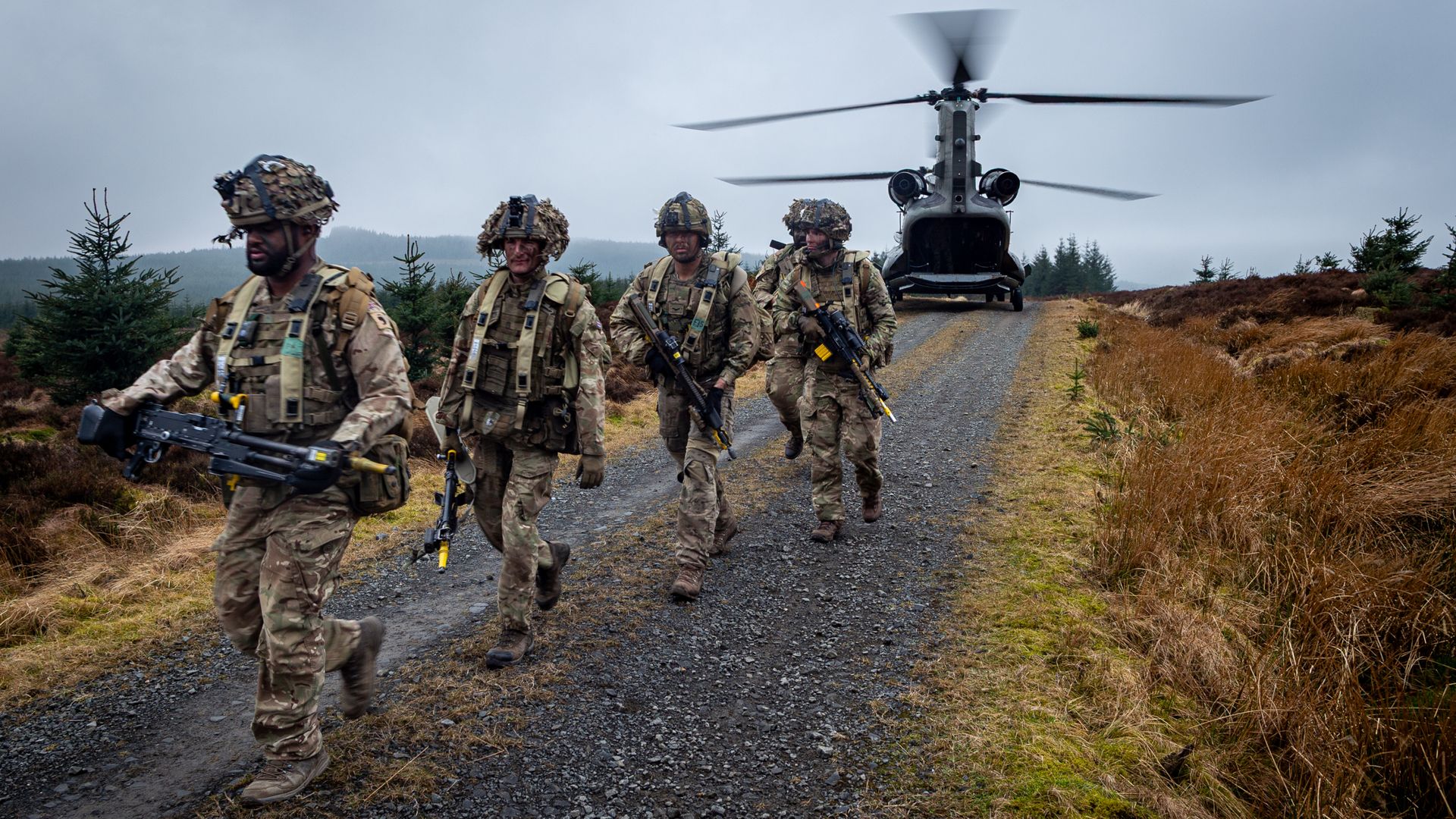
When military branches start canceling critical field training due to empty coffers, pay attention. We aren't talking about minor administrative tweaks or trimming the fat on office supplies. We are looking at live-fire exercises, joint maneuvers, and combat readiness drills being shelved. Kremlin warnings loom large on the Eastern European border, yet troops are stuck sitting at home because the ledger doesn't balance.
The Reality Behind the Funding Crunch
Budgets are moral documents, but they are also cold equations. When Congress stalls on appropriations or passes endless short-term stopgap measures known as continuing resolutions, the Department of Defense absorbs the shock. You cannot plan a complex, brigade-level maneuver when you don't know how much fuel, ammunition, or transport money you will have next month.
Training costs money. Lots of it. Moving heavy armor across continents, burning jet fuel by the millions of gallons, and firing expensive precision munitions eats through cash reserves instantly. When Congress fails to pass a regular budget, defense planners face a cruel choice. They can either pay salaries or run tanks through the dirt. They always pick salaries. Readiness pays the price.
Let's look at how this plays out on the ground.
- Fuel budgets get slashed mid-quarter.
- Maintenance schedules on Bradley fighting vehicles get deferred.
- Live-fire artillery ranges get closed to save on ammunition costs.
- Joint international exercises get scaled down to tabletop simulations.
Why Kremlin Warnings Make This Dangerous Timing
Moscow doesn't care about Washington's fiscal calendar. While budget hawks argue over spending caps, geopolitical rivals watch closely. Deterrence relies on two pillars: capability and credibility. You might have thousands of tanks in storage, but if your crews haven't practiced coordinating fire and movement together in a decade, those tanks are just expensive paperweights.
When high-ranking officials in Moscow issue stern warnings about NATO expansion or Western military build-ups, they are testing resolve. Halting exercises sends a terrible signal. It tells adversaries that institutional dysfunction might neutralize Western forces before a single shot is fired.
The Myth of Administrative Waste
People love to claim the military wastes billions on toilet seats and paperclips. Sure, waste exists in any massive bureaucracy. But the savings from canceling a major National Training Center rotation don't come from cutting bureaucratic bloat. They come directly out of the hide of operational readiness.
Ask any veteran who lived through sequestration budget cuts a decade ago. They will tell you about aircraft grounded for lack of spare parts. They will talk about units showing up to the field without enough night vision goggles or working radios. This isn't about trimming fat. It is starving the muscle.
Fixing the Broken Funding Cycle
Fixing this mess requires political will that currently seems entirely out of stock. Stopgap spending bills destroy long-term planning. Every month the government runs on a continuing resolution, the military loses flexibility.
Until lawmakers pass regular, predictable defense appropriations on time, readiness will remain a rollercoaster. Troops will keep packing their gear for exercises that never happen. Competitors will keep taking notes. And national defense will remain hostage to partisan budget battles.
Keep an eye on upcoming congressional budget votes if you want to know where global security is heading. The numbers on the page matter far more than the speeches on the floor.