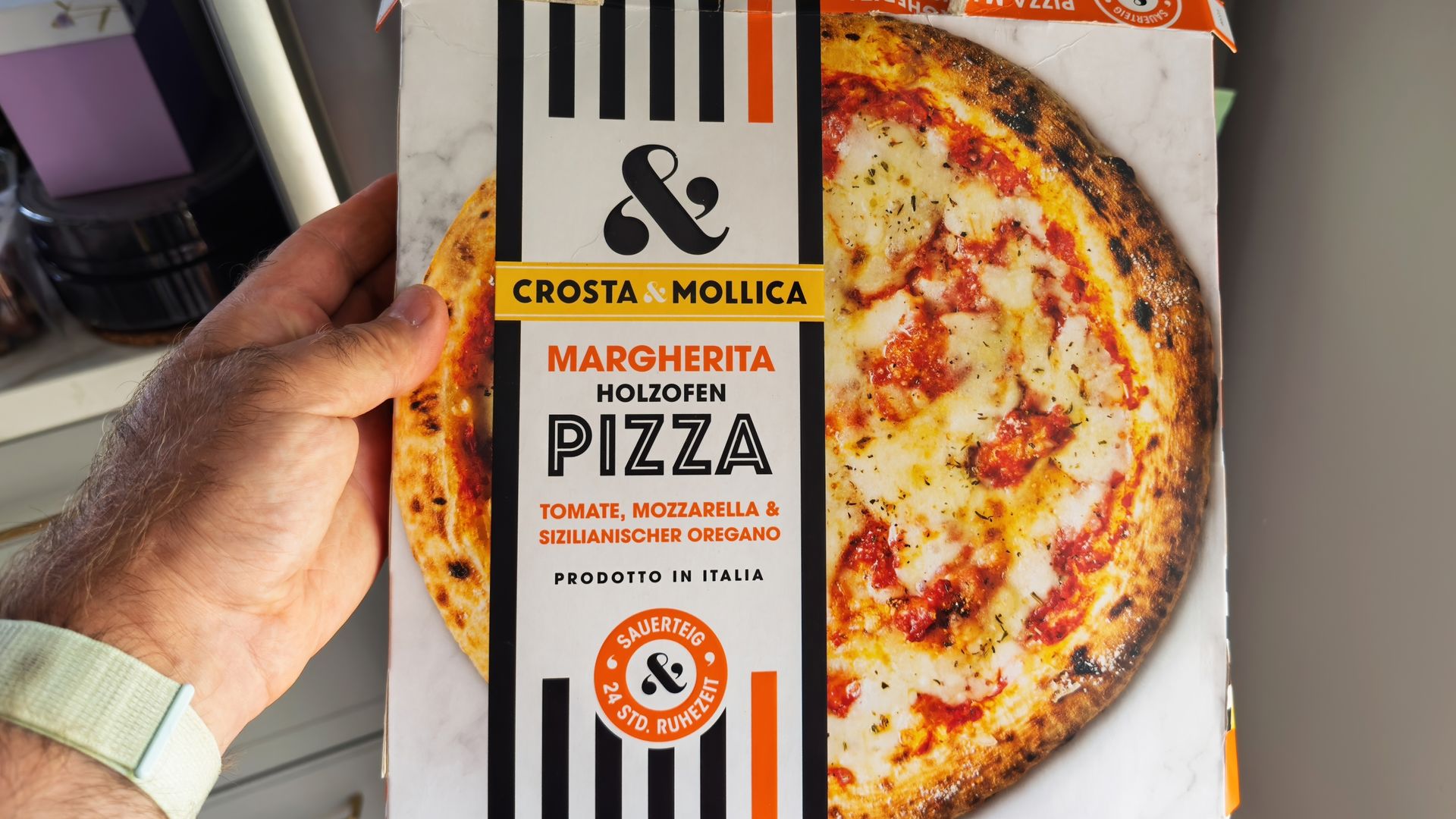
Consumer packaged goods conglomerates face a persistent top-line contraction problem as legacy mass-market portfolios experience volume stagnation. To counteract decelerating organic growth, multinational corporations rely on structured tuck-in acquisitions to absorb high-growth, premium brand equity. The mechanics of this corporate strategy are visible in transactions involving specialized food brands, where multinational entities deploy capital through joint ventures or direct balance-sheet allocations to capture higher-margin consumer segments. Evaluating these corporate maneuvers requires deconstructing the financial and operational drivers that make independent premium labels attractive targets for global enterprises.
The Margin Expansion Imperative
Legacy food producers operate under compressed operating margins due to heavy exposure to commoditized baseline inputs, price-sensitive retail buyers, and mature category lifecycles. Core revenue streams in ambient grocery or mass-market frozen categories often suffer from low pricing power. When input costs for flour, dairy, and energy fluctuate, commodity-heavy portfolios absorb immediate margin degradation because consumers reject price increases on undifferentiated goods. In similar news, take a look at: Inside the BYD Profit Rebound That Masks a Bracing Home Market Collapse.
Acquiring premium challengers offers a structural workaround to this economic constraint. Premium brands command higher retail price points by leveraging provenance narratives, distinct ingredient sourcing, and elevated product performance. When a global conglomerate integrates a brand known for artisan positioning, it bypasses the multi-year R and D risk required to build an upscale product line from scratch.
The financial rationale rests on three operational pillars: Investopedia has also covered this important issue in great detail.
- Gross Margin Arbitrage: Premium SKUs typically yield higher gross margins per unit, diluting the impact of lower-margin legacy volume.
- Distribution Scaling: Transitioning a regional or national challenger into an international supply chain unlocks dormant manufacturing efficiencies.
- Category Positioning: Owning differentiated assets prevents market share erosion as consumer preference shifts toward authentic, minimally processed ingredients.
Supply Chain Leverage and Distribution Friction
An independent food brand scaling past a certain revenue threshold inevitably hits a distribution ceiling. Managing international logistics, cold-chain integrity for frozen goods, and complex retail slotting fees demands heavy capital expenditure. Independent owners often reach an inflection point where organic expansion yields diminishing returns relative to the capital required to build proprietary production facilities abroad.
Strategic buyers resolve this friction by routing acquired brands through pre-existing distribution networks. A multinational parent company already possesses established vendor relationships with major European and North American supermarket chains. By plugging an acquired brand into these logistics channels, the parent eliminates distribution bottlenecks, reduces unit shipping costs through freight consolidation, and accelerates market penetration across secondary and tertiary geographic territories.
This integration is rarely frictionless. Cultural friction between agile, founder-led entrepreneurial teams and bureaucratic corporate structures can stifle the innovation pace that made the target brand valuable in the first place. Preserving target autonomy while centralizing back-office procurement represents the primary operational challenge for corporate acquirers.
Valuation Multiples and Capital Allocation Dynamics
Private equity owners often back these growth-stage food brands during their scaling phase, implementing professionalized management structures and expanding manufacturing footprints. When private equity firms initiate an exit process, hiring specialized advisory banks to run competitive auctions, they target strategic trade buyers rather than financial sponsors. Strategic buyers can justify higher valuation multiples than private equity peers because they model cross-synergies that financial buyers cannot replicate.
Synergy realization models typically incorporate three quantifiable financial impacts:
- Procurement Cost Reductions: Bulk purchasing discounts on raw materials negotiated through the parent company's global supply contracts.
- Administrative Consolidation: Absorption of finance, legal, and regulatory compliance functions into the corporate center.
- Cross-Selling Opportunities: Leveraging existing sales infrastructure to place new SKUs into retail accounts that previously rejected or ignored the independent brand.
Market analysts evaluate these transactions by assessing the multiple paid relative to the target brand's earnings before interest, taxes, depreciation, and amortization. Premium food assets with double-digit compound annual growth rates consistently command high multiples, reflecting the scarcity value of independent brands capable of capturing millennial and generation Z disposable income in grocery aisles.
Structural Integration Playbook
Executing an acquisition in the consumer goods sector demands a disciplined integration roadmap. The acquiring entity must first protect the core asset preventing operational disruption during the handoff. Supply chain continuity takes precedence; any interruption in retail fulfillment results in immediate shelf-space reallocation by supermarket category managers.
Concurrently, the integration team audits existing manufacturing partner networks. Many high-growth food brands utilize third-party co-packers rather than owning proprietary factories. The strategic buyer must evaluate whether to internalize production into company-owned mega-plants to capture manufacturing margins or maintain relationships with specialized co-packers to retain operational flexibility.
The long-term viability of these acquisitions depends on maintaining product authenticity. If corporate oversight strips away the ingredient quality or recipe integrity that justified the brand's premium price point, consumer attrition follows rapidly. Strategic acquirers must balance corporate cost-discipline with brand preservation, ensuring that scale enhancements do not compromise the consumer trust underpinning the asset's market value.