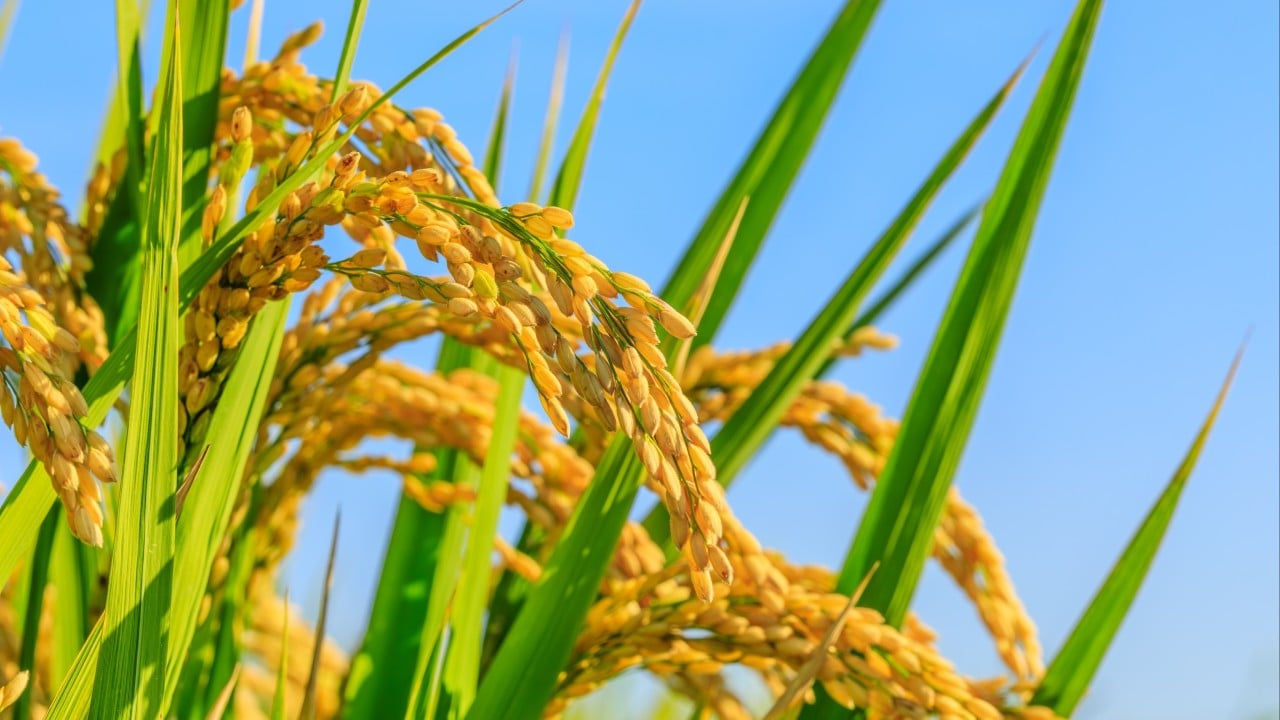
Agriculture rarely makes front-page news unless something goes terribly wrong. Droughts, floods, and crop failures usually dominate the headlines. But a quiet breakthrough in plant genetics just happened, and almost nobody is talking about the real mechanics behind it. A Chinese research team has made massive strides in crossbreeding Asian and African rice varieties.
This isn't just about growing slightly more grain. It is about fixing a genetic wall that has frustrated botanists for decades. For a different view, read: this related article.
If you think rice is just rice, you haven't looked at a botany textbook. Asian rice, scientifically known as Oryza sativa, and African rice, known as Oryza glaberrima, diverged millions of years ago. They are distant cousins. When scientists try to breed them together, the hybrid offspring are often sterile, stunted, or completely unviable. Nature put up a hard genetic barrier.
Why break that barrier? Because Asian rice gives us massive yields, but African rice handles harsh local conditions like iron toxicity, drought, and weed competition with absolute toughness. Combining them means creating a super-crop that survives brutal climates without sacrificing productivity. Related analysis on this trend has been shared by CNET.
For years, labs hit a wall. Hybrid sterility genes wrecked the chromosomes during meiosis. The plants simply couldn't pass down their traits.
How the Breakthrough Works
The Chinese team didn't just cross two plants and cross their fingers. They used advanced molecular marker-assisted selection to map out the exact sterility loci causing the genetic friction. By identifying specific killer genes that destroy hybrid pollen, they could bypass or silence them.
Think of it like transplanting an engine from a rugged off-road truck into a high-speed sports car. You can't just drop it in. You have to rebuild the transmission first. That is what these researchers did at the chromosomal level.
They utilized wild relatives and intermediate breeding lines to bridge the evolutionary gap. Instead of forcing an immediate marriage between the two primary species, they introduced strategic buffer genes. The result is a fertile hybrid that retains the high-yield panicles of Asian cultivars alongside the bulletproof environmental resilience of African strains.
This is where most media coverage stops. They wave their hands and say "science happened." But the real story is in the field trials.
What the Lab Results Actually Tell Us
Controlled greenhouse environments are easy. Real dirt is messy. When these crossbred strains faced poor soil conditions, they didn't just survive. They thrived.
Traditional high-yield Asian varieties require pristine water management and heavy chemical inputs to hit their target numbers. Take away the fertilizer or let the soil turn acidic, and yields drop off a cliff. The new crossbred lines show an uncanny ability to suppress weeds naturally through rapid early canopy closure—a classic trait inherited from their African ancestors.
Farmers in marginal lands know the struggle of fighting Red Rice and aggressive sedges. Having a crop that shades out competitors before they take root changes the economics of weeding entirely. You spend less on herbicides and less on manual labor.
Yet, we need to stay realistic. Moving a plant from a controlled test plot to millions of smallholder farms across sub-Saharan Africa and Asia takes years of regional adaptation.
The Hurdles Ahead
Genetics is only half the battle. Regulatory approval processes move slowly. Seed distribution networks in developing regions are notoriously fragmented.
Farmers won't plant a new seed just because a lab in China says it is great. They need to see it work in their own soil, next to their traditional varieties, under unpredictable weather patterns. If the taste profile changes too much, local markets will reject it. Rice is deeply cultural. Grain length, aroma, texture when cooked—these traits dictate market price.
If a hybrid yields twenty percent more grain but tastes like cardboard, farmers won't adopt it. The Chinese research team understands this. Current breeding cycles are focusing heavily on grain quality metrics to ensure the culinary profile matches local expectations.
Why This Matters Beyond the Lab
Global food security is brittle. We rely on a shockingly narrow band of high-yield cultivars to feed billions of people. Monoculture leaves our food supply exposed to shifting pest pressures and climate shocks.
By unlocking the genetic diversity locked inside African rice, we are essentially opening up a new library of evolutionary defenses. These plants carry traits honed by centuries of survival in erratic rainfall zones and poor soils.
You should look closely at how agricultural policy shifts around these innovations in the coming seasons. Funding for wild crop relative conservation usually gets slashed when budgets tighten. This breakthrough proves why keeping those wild seed banks alive is non-negotiable.
If you work in agriculture, biotechnology, or food policy, pay attention to the specific gene editing and marker techniques coming out of these trials. The playbook used here to bridge Asian and African rice will soon be applied to other staple crops facing similar genetic deadlocks.
Stop treating crop science as a distant academic exercise. The food on your plate tomorrow depends entirely on how fast we can break down these ancient genetic barriers today.