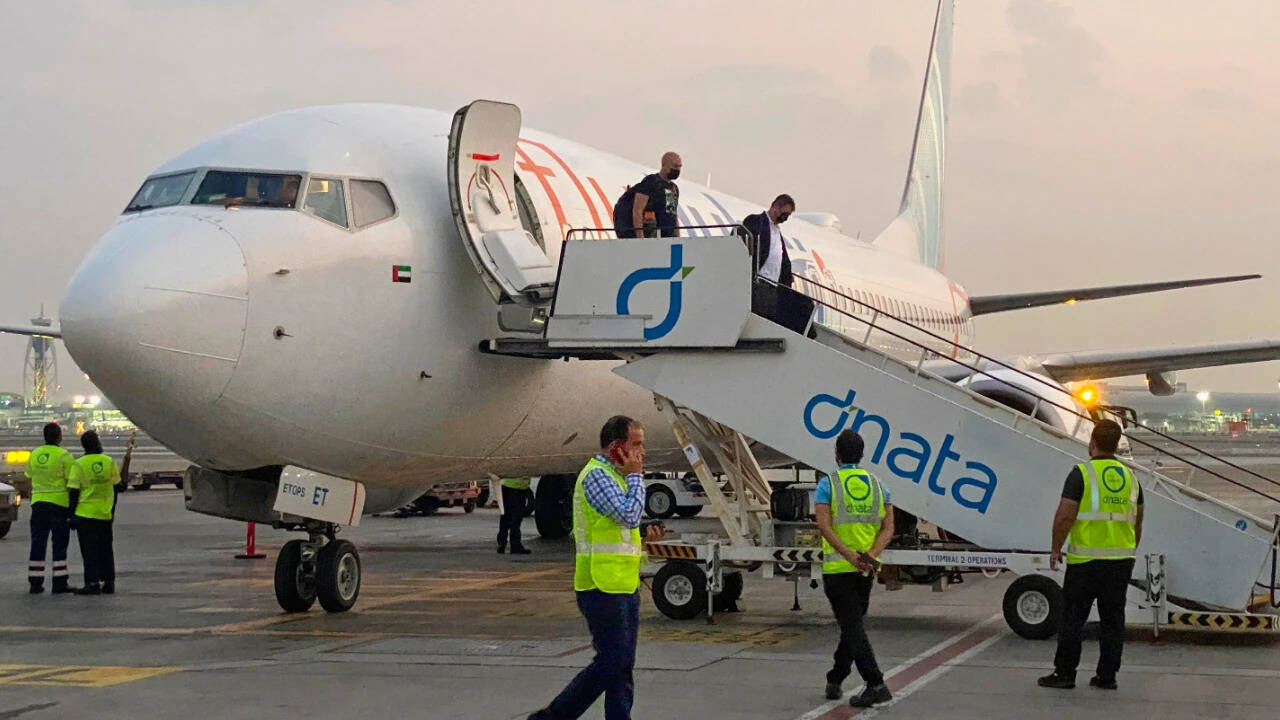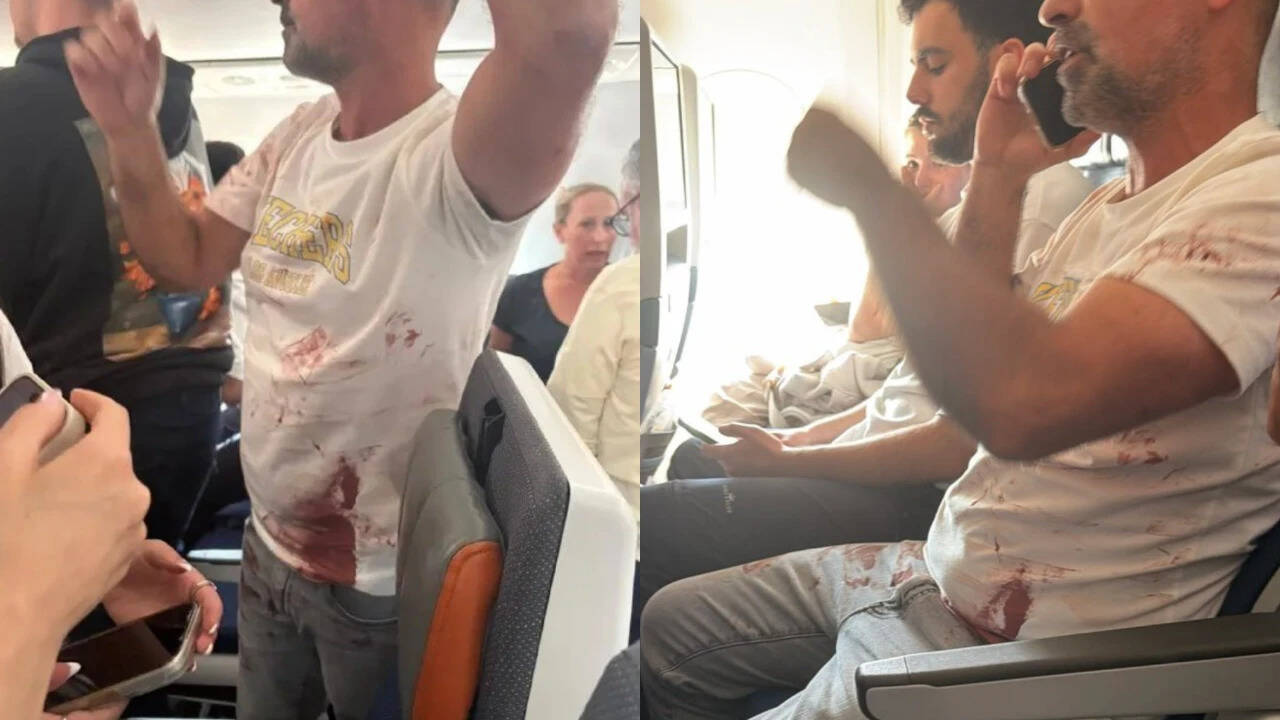
Modern commercial aviation security rests on a foundational paradox. Billions of dollars have been allocated toward hardening the external perimeter of the flight deck against coordinated, exogenous threats, yet the internal boundary remains susceptible to localized, kinetic assaults originating from within the passenger cabin. When an in-flight breach results in physical violence against flight crew, it exposes the structural limits of post-9/11 security architecture. The incident involving a pilot assault on a Flydubai flight highlights a critical divergence between regulatory compliance and operational reality: safety protocols designed to prevent geopolitical terrorism are ill-equipped to manage spontaneous physiological or psychological volatility inside the aircraft tube.
The Perimeter Fallacy in Flight Deck Architecture
Post-9/11 aviation mandates transformed the cockpit into a fortified redoubt. Reinforced composite doors, heavy-duty deadbolts, and video surveillance systems were engineered under the assumption that the primary threat vector was an intruder attempting forced entry from the cabin.
This design creates a distinct vulnerability profile. The reinforced barrier protects the flight deck from exterior aggression, but when the threat materializes inside the restricted space—or when access is granted for operational necessity—the defensive posture reverses. The very features that prevent unauthorized entry also impede rapid physical egress or external intervention during an internal struggle.
The cost function of this architecture involves a trade-off between accessibility and isolation. When a pilot is physically incapacitated or attacked inside the workspace, the physical barriers designed to protect the crew transform into containment walls. Response times by cabin crew are bound by physical bottlenecks: narrow aisles, restrictive service carts, and the time required to override electronic locking mechanisms under emergency conditions.
Human Factors and Crew Resource Degradation
Standard Crew Resource Management training assumes that operational failures stem from communication breakdowns, environmental stressors, or mechanical malfunctions. It presumes a baseline cognitive stability among all human actors aboard the aircraft. When physical violence enters the cockpit, this baseline dissolves.
The cognitive load imposed by a sudden, violent encounter triggers an acute physiological stress response. Fine motor skills degrade, auditory exclusion sets in, and decision-making speed drops precipitously. In a high-altitude environment where time-to-useful-consciousness during a depressurization or control loss is measured in seconds, the introduction of hand-to-hand combat inside a confined flight deck creates an immediate catastrophic risk.
The operational impact is two-fold:
- Pilot Incapacitation: The primary control loop is severed or severely compromised when the pilot flying or pilot monitoring is physically engaged in self-defense.
- Systemic Distraction: The flight crew's attention shifts entirely from aircraft state management to immediate physical survival, creating a window where trajectory deviations, altitude excursions, or airspace infractions can occur unchecked by automated safeguards.
Quantifying the Kinetic Risk Vector
In risk analysis, expected loss is a function of probability multiplied by impact. While the statistical probability of an in-flight passenger assaulting a pilot is exceptionally low, the severity of the impact—hull loss, mass casualties, or catastrophic loss of control—demands a disproportionate defensive response.
Current aviation security frameworks under-index on internal behavioral anomalies. Security checkpoints focus heavily on prohibited items, electronics, and liquids, but exhibit lower efficacy in detecting behavioral precursors of acute psychological crises or targeted violence mid-flight.
Furthermore, the physical environment of a commercial airliner exacerbates kinetic risk. Passengers are confined to fixed seating arrangements for hours under conditions of low cabin humidity, pressurized air, and restricted mobility. These environmental stressors do not cause violent outbursts in stable individuals, but they serve as accelerators for underlying psychological vulnerabilities or substance-induced states. Without real-time behavioral monitoring capabilities inside the cabin, airlines rely entirely on reactive containment rather than predictive deterrence.
Structural Adjustments in Threat Mitigation
Addressing this vulnerability requires abandoning the binary model of security that separates the cabin from the flight deck. Systemic improvement demands three distinct structural shifts in commercial flight operations.
First, access protocols must incorporate dynamic verification procedures that eliminate single points of failure during crew rotations or meal service transitions. The physical opening of the flight deck door remains the highest-risk operational window in modern aviation. Introducing secondary physical barriers, such as lightweight retractable interior gates or restricted access zones immediately outside the flight deck, provides an intermediate layer of defense that does not impede normal emergency evacuations.
Second, training regimens must expand beyond standard threat neutralization to include high-stress physical containment scenarios within micro-spaces. Cabin crews require explicit tactical frameworks for subduing violent actors in confined aisles and managing physical breaches of the forward galley without escalating the hazard to the flight deck controls.
Third, diagnostic monitoring of cabin dynamics must integrate psychological and physiological indicators. Airlines must treat cabin environmental control not merely as a matter of passenger comfort, but as a critical variable in behavioral stability. Maintaining optimal cabin pressure altitudes, enhancing air exchange rates, and improving hydration access correlate directly with reductions in physiological distress and erratic passenger behavior.
Implement immediate protocol updates requiring two authorized personnel inside the flight deck at all times during door openings, accompanied by mandatory deployment of mobile physical deterrents in the forward galley during high-risk phases of flight.