The standard news alert hits your screen like clockwork. A headline flashes about a murder investigation launched after a man dies in an incident. The copy is scrubbed clean, dripping with passive corporate detachment. It tells you nothing while screaming for your attention.
We devour these updates because they feed a collective addiction to tragedy packaged as breaking news. But look closer at the mechanics of modern crime reporting. The traditional media model treats sudden violence as a freak anomaly, a localized glitch in an otherwise orderly world. That framing is completely backwards.
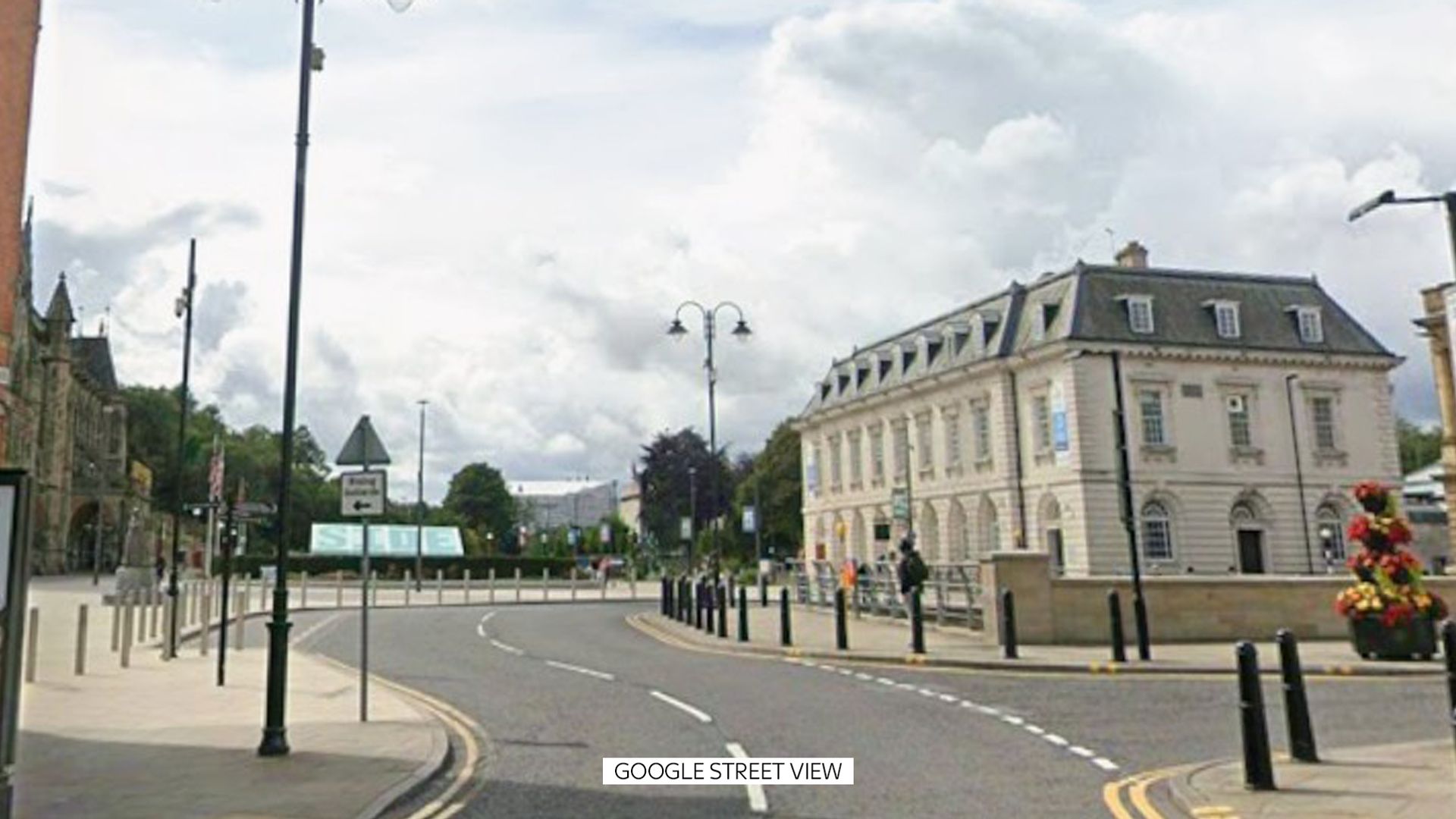
When a man dies in a Rochdale backstreet or an anonymous alley across any industrial town, the automatic editorial instinct is to isolate the event. Throw a blanket label over it. Call it an isolated incident. Launch the investigation narrative. Put up the yellow tape. It creates a neat little box for the public to process horror without confronting the structural rot beneath it.
The Illusion of the Isolated Incident
Every time a newsroom deploys the phrase murder investigation launched, they are selling you a comfortable fiction. They want you to believe that violence happens in a vacuum. A bad actor meets an unfortunate victim, a threshold is crossed, and the state swoops in to restore cosmic balance through due process.
I have watched local journalism hollow out over the past decade. Newsrooms that once possessed investigative depth have morphed into assignment desks tethered to police press releases. When a fatality occurs, reporters do not investigate. They transcribe. They take the boilerplate statement from the constabulary, slap a sensationalist wrapper around it, and push it out to feed the algorithm.
This creates a dangerous cognitive distortion. You read about a violent death and you calculate your personal risk based on proximity to the specific location. You tell yourself that as long as you avoid certain postcodes, associate with the right circles, or stay indoors after dark, you remain safe.
That calculation is mathematically bankrupt.
Street-level violence does not erupt spontaneously from a vacuum of moral failure. It is the end-stage product of systemic decay, economic abandonment, and institutional failure. When local infrastructure collapses, when mental health support systems dissolve into thin air, and when policing retreats to reactive firefighting, violence becomes an inevitable statistical output.
Dismantling the Press Release Bureaucracy
Let us look at how the machinery actually operates. A body is found. Emergency services lock down the perimeter. Within two hours, a spokesperson issues a controlled statement: detectives are appealing for witnesses following an incident of this nature.
Notice the linguistic sanitization. Incident. It sounds clinical. It sounds like a logistics failure at a warehouse or a minor traffic collision. It robs the event of its brutal reality while simultaneously protecting the institutions that failed to prevent it.
Traditional outlets parrot this terminology because they are dependent on access. If a reporter asks too many sharp questions about why local response times have doubled or why community policing budgets were slashed by forty percent, their source inside the precinct dries up. So, they play ball. They print the vague updates about a man in his thirties, a cordon remaining in place, and appeals for dashcam footage.
Meanwhile, the actual story rots under the surface.
What the Coverage Misses
The missing link in every single one of these breaking news alerts is context. You get a steady drip-feed of tactical updates. Arrest made. Bail granted. Post-mortem examination scheduled.
None of that tells you why the social fabric tore apart in that specific neighborhood.
If you want to understand why fatal violence spikes in post-industrial pockets like Rochdale, stop looking at the criminal code and start looking at economic geography. Look at the decimation of youth services. Look at the casualization of labor. Look at the systematic withdrawal of state support systems that used to catch people before they hit freefall.
When you strip a community of its economic engine and leave its residents to fend for themselves in a gig-economy meat grinder, the underground economy steps in to fill the vacuum. And the underground economy does not settle disputes with mediation and HR departments. It settles them with terminal force.
Yet the nightly news pretends every murder is an unpredictable lightning strike. They interview weeping neighbors and solemn detectives, but they never point the microphone at the policy makers whose budgetary choices built the killing floor.
The Cost of Passive Consumption
Every time you click on a breaking tragedy report structured entirely around police press notes, you are reinforcing the cycle. You are telling media conglomerates that you prefer sensationalized fragments over rigorous investigative autopsy.
The journalists churning out these quick-turnaround updates are not malicious. Most of them are overworked, underpaid, and trapped in a metrics-driven content mill where speed trumps depth. They have minutes to file a piece before the competitor captures the search traffic.
The result is an ecosystem of ambient panic. You feel less safe, less informed, and more distrustful of your fellow citizens, yet you understand the root causes of the violence less than you did before you opened the browser tab.
Rejecting the Narrative
The next time a major outlet breathlessly announces that a murder investigation has been launched following a tragic incident, do not just absorb the police blotter details. Ask yourself what systemic failure went unmentioned. Ask yourself which budget cuts, regulatory blind spots, or municipal abandonments created the environment where that tragedy became a statistical certainty.
Stop treating violence as a personal moral failure or a random weather event. It is a design flaw. And until we stop accepting sanitized press releases as hard news, we will keep burying the symptoms while the disease spreads unchecked.