The silence in a high-stakes diplomatic corridor doesn't sound like nothing. It sounds like a hum. It is the collective vibration of encrypted servers, the soft scuff of Italian leather on marble, and the held breath of aides who know that a single misinterpreted syllable can move an aircraft carrier. In this world, words are not just speech. They are ordnance.
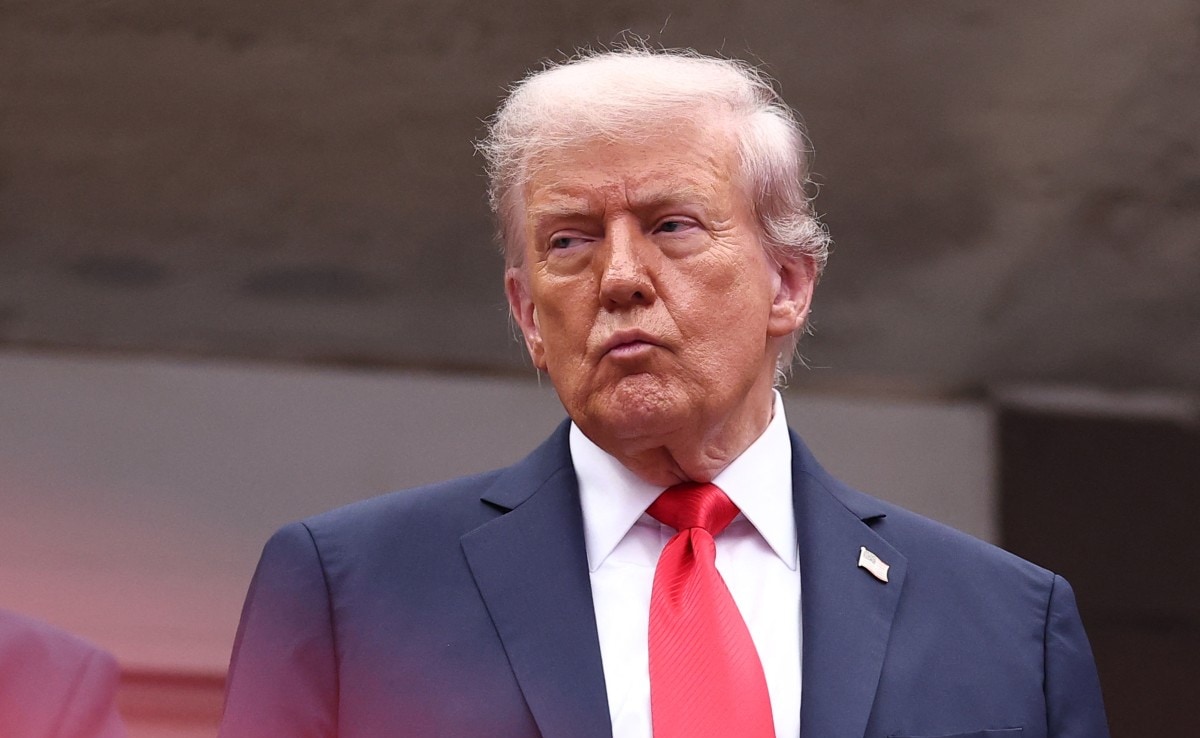
When news broke that an Iranian official—specifically, a figure as entrenched and influential as Ali Akbar Velayati—had reportedly picked up the phone to speak with Donald Trump, the hum turned into a roar. Meanwhile, you can find related developments here: The Cold Truth About Russias Crumbling Power Grid.
To the casual observer scrolling through a news feed, it looks like a standard "he-said, she-said" headline. A report emerges from Israeli media. Tehran issues a flat, icy denial. The cycle repeats. But beneath the surface of this specific denial lies a psychological thriller about the nature of power, the desperation of back-channeling, and the terrifying fragility of modern geopolitics.
Imagine, for a moment, the physical reality of such a call. To understand the full picture, check out the recent article by Al Jazeera.
The Iranian leadership operates within a labyrinth of protocol where every interaction with the West is weighed against decades of revolutionary dogma. For a senior advisor to the Supreme Leader to even be whispered about in the same sentence as a direct conversation with a U.S. President-elect is a seismic event. It is a breach of a wall that has been reinforced with concrete and bitterness since 1979.
The report claimed the bridge had been crossed. The denial claimed the bridge doesn't even exist.
The Architecture of a Rumor
Israel’s Channel 12 sparked the fire, alleging that Velayati had engaged in a dialogue aimed at "testing the waters" for a new era of U.S.-Iran relations. In the high-octane environment of Middle Eastern intelligence, information is often leaked not to inform, but to disrupt. If you want to kill a budding diplomatic olive branch, you don't chop it down in private; you broadcast its existence to the radicals on both sides before it has a chance to grow.
Tehran’s response was swift. The Foreign Ministry didn't just disagree; they dismantled the notion with the kind of clinical efficiency reserved for state enemies. They called it "baseless." They called it "fake news."
But in the world of shadows, a denial is rarely the end of the story. It is often the first chapter.
Think of a poker game where the stakes aren't chips, but the economic survival of eighty million people. Iran is currently navigating a landscape—not a "landscape," but a jagged, glass-strewn path—of crushing sanctions and internal pressure. The return of a Trump administration carries a specific kind of weight in Tehran. They remember the "maximum pressure" campaign. They remember the exit from the nuclear deal. They remember the sudden, violent end of Qasem Soleimani.
To speak to Trump is to dance with a whirlwind. To deny speaking to him is a matter of survival.
The Human Toll of the Dial Tone
We often talk about these nations as monoliths. We say "Iran thinks" or "The U.S. wants." But "Iran" does not think. Individuals think.
Ali Akbar Velayati is a man who has seen the revolution from its infancy. He is a physician by trade, a pediatrician who traded the stethoscope for the dark suits of diplomacy. When a man like that is accused of a secret phone call, he isn't just defending his reputation; he is defending his life within a system that views unauthorized contact with "The Great Satan" as the ultimate betrayal.
Consider the aide who has to draft the denial. They sit in an office in Tehran, perhaps watching the sunset over the Alborz mountains, knowing that if the rumor gains enough traction, the political equilibrium of their country could shift. If the hardliners believe a back-channel has been opened without their blessing, the internal purge could be merciless.
On the other side, there is the American machinery. Trump has always prided himself on the "art" of the deal, a philosophy built on the idea that everything is negotiable if you get the right people in the room—or on the phone. For his camp, the rumor of a call serves a different purpose. It signals a world where the old rules of State Department bureaucracy are dead. It suggests that the phone is ringing, and people are answering.
Why the Truth Almost Doesn't Matter
In the digital age, the veracity of the call is secondary to the friction it creates.
If the call happened, it represents a desperate, brave, or perhaps foolhardy attempt to avert a collision that seems increasingly inevitable. It suggests that behind the fiery rhetoric of "Death to America," there are pragmatists looking for an exit ramp. It suggests a human recognition of mutual exhaustion.
If the call did not happen, the report itself becomes a weapon. It is a psychological operation designed to sow distrust within the Iranian leadership. It forces them to look at one another and wonder: Who is talking? Who is selling us out? Who is trying to save themselves?
The denial is the shield. The rumor is the spear.
We live in an era where we can track a pizza delivery in real-time, yet we cannot verify if two of the most powerful men on earth exchanged words. This opacity is intentional. Darkness is the only place where diplomacy can breathe before it is ready for the light. When the light hits it too early, it withers.
The Invisible Stakes
What happens if the line stays dead?
The cost isn't found in a ledger; it’s found in the price of bread in a Tehran market. It’s found in the anxiety of a young student in Isfahan who wonders if their future will be consumed by a conflict they didn't ask for. It’s found in the strategic calculations of generals who see the lack of communication as a green light for escalation.
When there is no talking, there is only movement.
The denial issued by Tehran is a masterclass in regional posturing. By dismissing the Israeli report so aggressively, they are signaling to their domestic base and their proxies in Lebanon, Yemen, and Iraq that their spine remains unbent. They are saying: We do not beg.
But every diplomat knows the old adage: you don't make peace with your friends.
The tragedy of the "fake" phone call is that it highlights how much the world actually needs the call to be real. We are voyeurs to a standoff, hoping for a crack in the door, only to have the occupants slam it shut and insist no one was ever there.
The Weight of the Word
Language is a fragile thing. In Farsi, the nuances of a denial can carry layers of meaning that are lost in a rough English translation. There is a specific kind of formal rejection that leaves a tiny, microscopic sliver of room for future possibilities.
The Iranian government’s rejection of the Trump call was firm, yet it occurs in a context where they have also signaled a willingness to negotiate "based on national interests."
It is a slow, agonizing tango. One step toward the phone. Two steps back toward the podium to denounce the phone.
We are left watching the static. We see the headlines flash—Israeli media says one thing, Tehran says another—and we feel the familiar exhaustion of a story that never seems to reach its final act. But we must remember that behind these headlines are rooms. In those rooms are phones. And by those phones are men who are old, tired, and acutely aware that history is watching to see who picks up first.
The hum continues. The servers blink. The scuff of leather on marble echoes in the hallway.
Somewhere, a phone sits on a desk, silent and heavy, carrying the weight of a million lives that depend entirely on whether someone eventually finds the courage to be a liar, a traitor, or a peacemaker.
The most dangerous thing in the world isn't a conversation. It's the silence that follows the denial.