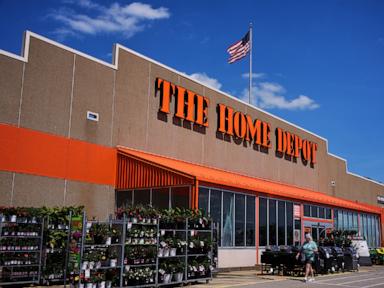
Big home renovations are out. Weekend paint jobs and minor upgrades are keeping retail afloat.
If you drive through most American neighborhoods right now, you won't see many contractor dumpsters in driveways. High interest rates have completely frozen the housing market, making homeowners reluctant to move or take on massive five-figure kitchen overhauls. Yet, Home Depot just dropped second-quarter earnings that beat Wall Street expectations.
Revenue hit $47.86 billion, climbing past the predicted $47.24 billion. How did they pull this off while the broader housing sector sits mired in a slump? The answer comes down to a fundamental shift in how everyday consumers spend their disposable cash. People aren't building additions. They are fixing a leaky faucet, painting a bedroom, or planting a new garden.
The Death of the Big-Ticket Renovation
Look at what is actually happening to large-scale home projects. According to data from industry analysts like GlobalData, bigger-ticket projects valued over a certain threshold are down.
It is not hard to figure out why. When mortgage rates hovered near historic lows at the start of the decade, taking out a home equity line of credit for a major extension felt cheap. Today, borrowing costs are significantly higher. That dream renovation that once cost an 8 percent interest burden looks completely different when money costs twice as much to borrow.
Homeowners are choosing financial caution. They are staying put because trading a low mortgage rate for a new one makes zero financial sense. But staying put means people get bored with their current surroundings. They want a change, so they scale down their ambitions. They channel their renovation budgets into manageable tasks they can finish over a single Saturday.
What the Numbers Actually Tell Us
The financial reality of the home improvement sector reveals a clear pattern. During the recent quarter, customer transactions at Home Depot actually slipped by 1 percent. Fewer people walked through the doors or checked out online.
Despite that drop in foot traffic, total revenue grew. Why? Because the average receipt size jumped to $92.50, up from $90.01 the year before.
Shoppers are buying fewer total items, but the things they do buy carry more value, or they are tackling projects that require higher-grade materials. Chief Financial Officer Richard McPhail noted that demand was broad-based across the business, driven entirely by this relentless appetite for smaller, self-executed updates.
GlobalData managing director Neil Saunders pointed out that smaller projects grew by about 1.5 percent over the previous year. While that might sound modest, it marks a stark reversal from the steep declines seen when inflation peaked. It represents a psychological shift. Consumers have accepted current economic realities and found a way to spend anyway.
Adapting to the DIY Surge
Retailers have to shift strategies when consumer behavior changes this drastically. Home Depot isn't just sitting back and hoping people decide to remodel their basements. They are leaning heavily into convenience.
Alongside the earnings report, the company rolled out nationwide express delivery designed to get orders to a customer's doorstep within three hours. They are charging a small flat fee without requiring any kind of membership subscription.
That move targets the exact mindset of the modern DIYer. When someone decides on a Saturday morning to replace their bathroom vanity or install new light fixtures, momentum matters. If they have to wait a week for parts delivery, the project stalls. Fast, cheap delivery keeps the weekend DIY momentum alive.
Where the Market Goes From Here
Management kept their fiscal guidance steady, predicting total sales growth between 2.5 percent and 4.5 percent for the year. They aren't betting on a sudden housing market recovery. They know that existing home sales remain constrained because median prices hover near record highs and borrowing remains expensive.
Instead of waiting for macroeconomic conditions to magically improve, the retail giant is riding a wave of pragmatic consumer behavior. People want to improve their daily living spaces without taking on crushing debt. As long as moving remains financially unappealing, homeowners will keep pouring their energy into small-scale upgrades. Stop waiting for mortgage rates to drop before you fix your space. Grab supplies for a weekend project and get to work.