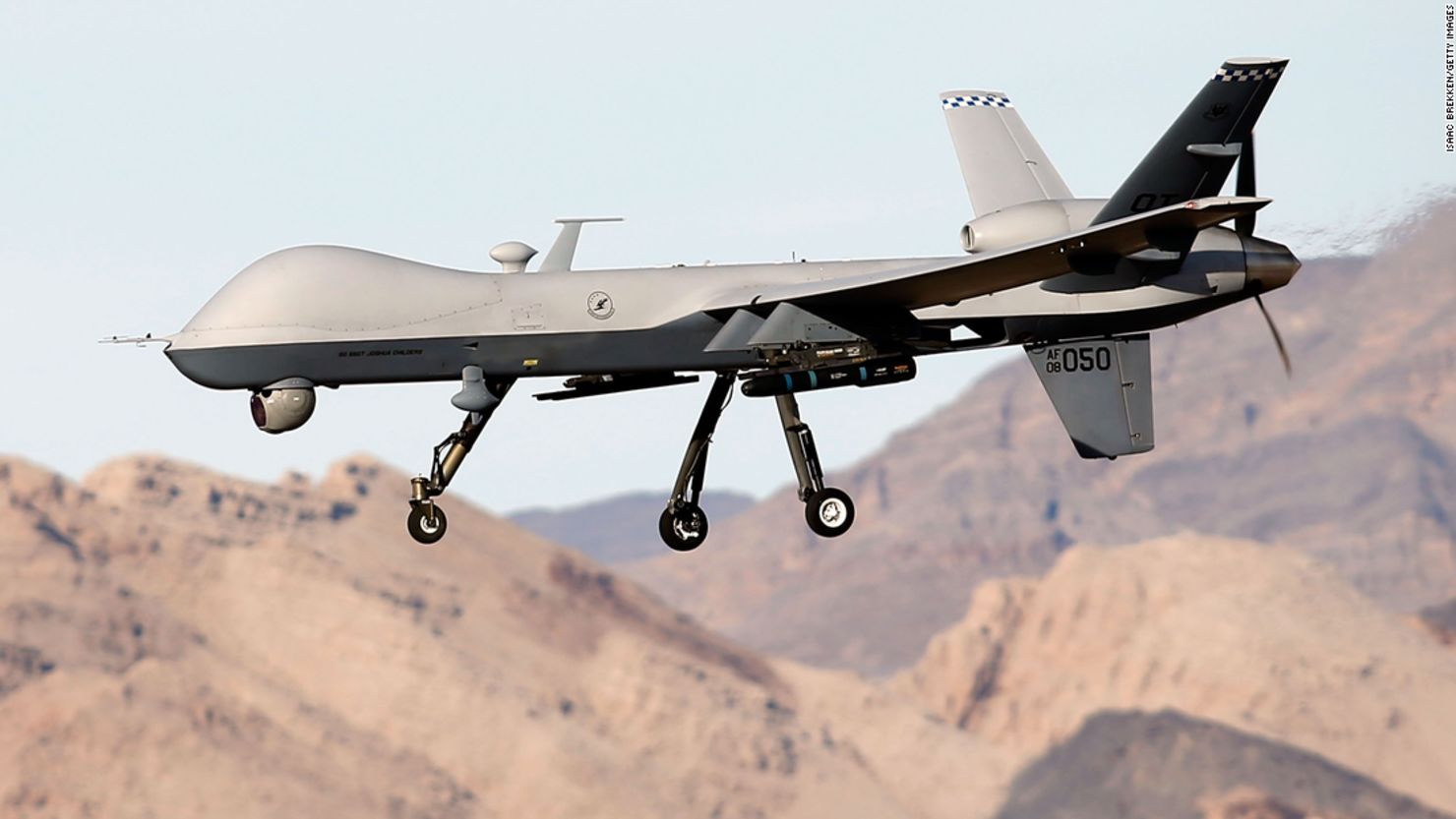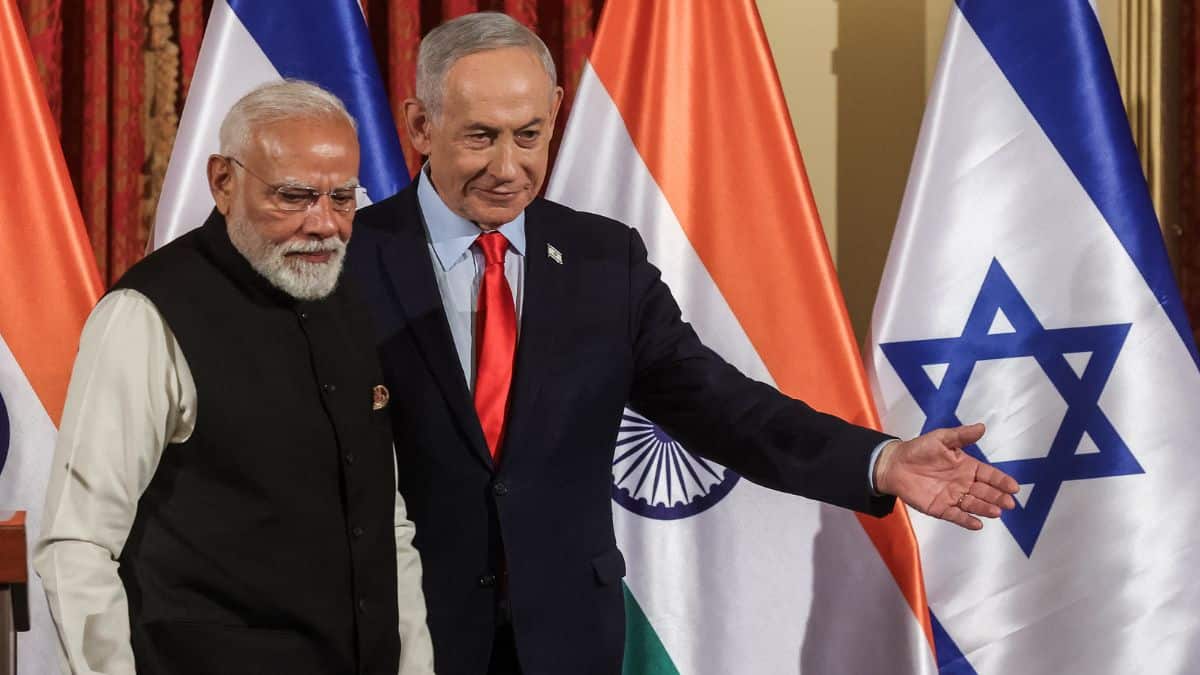
The phone call between Narendra Modi and Benjamin Netanyahu on March 1, 2026, was not a routine diplomatic check-in. It arrived hours after a combined U.S.-Israeli strike decimated the Iranian leadership in Tehran and sparked a deadly retaliatory missile rain on central Israel. While the official readout from New Delhi emphasizes a "cessation of hostilities" and "civilian safety," the subtext is far more aggressive. India is no longer just a bystander in West Asia; it has become a structural pillar of a new regional order that pointedly excludes the old Iranian-led "Axis of Resistance."
For decades, India played a double game of "strategic autonomy," balancing its energy needs in Tehran against its security requirements in Jerusalem. That era is dead. By addressing the Knesset just days ago and labeling Israel a "protective wall against barbarism," Modi signaled that India has picked a side. This shift is driven by a cold-blooded calculation: the India-Middle East-Europe Economic Corridor (IMEC) cannot exist in a region dictated by Iranian proxies.
The Death of Neutrality
New Delhi’s "deep concern" over the strikes in Iran is a mandatory diplomatic grace note, but its actions tell a different story. While the Ministry of External Affairs calls for "dialogue and diplomacy," the Indian defense establishment is busy integrating Israeli Iron Beam laser technology and AI-driven surveillance into its own borders.
The relationship has moved from a buyer-seller arrangement to a co-production pact. India provided the munitions used in the 2024 Gaza campaign, and in return, it is gaining access to the "Special Strategic Partnership for Peace, Innovation & Prosperity." This isn't about shared values; it is about shared enemies. The "jihadist axis" mentioned by Modi in Jerusalem refers as much to the threats on India’s own northern borders as it does to Hezbollah or Hamas.
The Hexagon Strategy and the New Map
Netanyahu’s proposed "Hexagon" of alliances places India at the heart of a security architecture alongside Greece, Cyprus, and the Abraham Accords nations. This is a move to bypass the Suez Canal and traditional maritime chokepoints that Iran-aligned groups like the Houthis have proven they can disrupt.
- IMEC Integration: India is betting its economic future on a rail and shipping link through the UAE, Saudi Arabia, and Israel. Any escalation that threatens the Port of Haifa—now managed by the Adani Group—is an existential threat to Indian capital.
- The Intelligence Loop: Cooperation between RAW and Mossad has exited the shadows. The two nations are now institutionalizing intelligence sharing on "intelligent warfare," shifting from net-centric operations to AI-driven ISR (Intelligence, Surveillance, and Reconnaissance).
- The Energy Pivot: While India still eyes Iranian oil, the $3 billion LNG deal signed with the UAE in early 2026 shows a desperate scramble to diversify before the Persian Gulf becomes a permanent no-go zone.
The Cost of the Embrace
The "Iron Alliance" comes with significant risks that the Prime Minister’s Office is loath to discuss publicly. India’s 9-million-strong diaspora in the Gulf remains a massive vulnerability. Should the conflict broaden into a sectarian regional war, the safety of these workers—and the billions in remittances they send home—could evaporate overnight.
Furthermore, by moving so close to the U.S.-Israel orbit, India is inviting friction with a fragmenting Global South. The "Board of Peace" proposal, a transaction-based peace model championed by the Trump administration, seeks to include India as a "shareholder" in regional security. Accepting this role effectively ends India’s claim to be a neutral leader of the non-aligned world.
The Nuclear Shadow
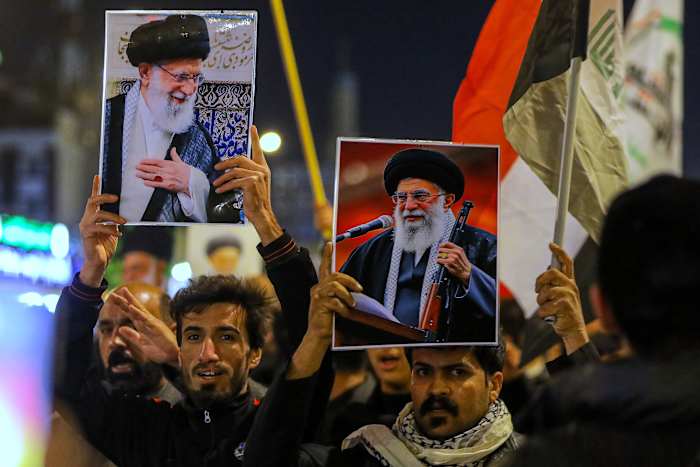
The assassination of Ayatollah Ali Khamenei has created a power vacuum in Tehran that makes the region more unpredictable than ever. India’s call for an "early end" to hostilities is a plea for time. New Delhi needs the current Iranian state to remain stable enough to maintain the Chabahar Port—India’s only gateway to Central Asia—even as it aligns with the forces seeking to dismantle Iran’s regional influence.
This is a high-wire act with no safety net. If Israel continues its "regime-change doctrine," India’s investments in Iran become stranded assets. If India pulls back, it loses the technological edge it needs to counter a belligerent China.
The March 1 call was a signal to the world that India is now a stakeholder in the Middle East's violence, not just an observer of it. The "Special Strategic Partnership" is no longer a diplomatic slogan; it is a war-time alignment.
Would you like me to analyze the specific defense MoUs signed during the February 2026 summit to see which Indian firms are positioned for the "Sindoor dividend"?