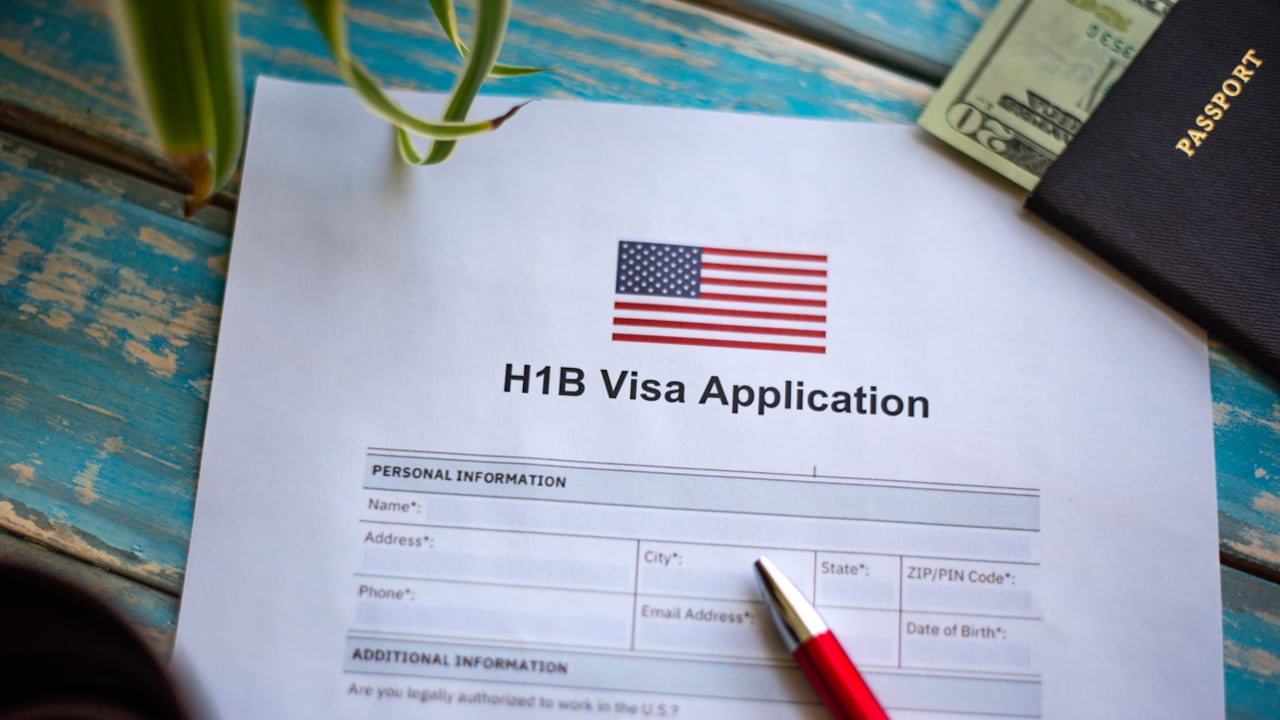
The Department of Homeland Security has published a draft proposal to dismantle the 60-day grace period for H-1B, L-1, and other temporary work visa holders, turning an unexpected corporate layoff into an immediate deportation threat. If this regulation survives the public comment period and becomes final, skilled professionals who lose their jobs will no longer have a two-month cushion to find a new corporate sponsor, file a change of status, or pack up their households. They will be expected to leave the United States immediately.
For decades, the mechanics of American high-skilled immigration operated on a predictable, if bureaucratic, rhythm. When a tech boom collapsed or a corporate budget tightened, foreign nationals working on specialty occupation visas were given breathing room. That cushion is now targeted for elimination under a broader federal push to restructure employment-based migration.
The Mechanics of Immediate Disruption
To understand why this policy shift matters, one must look at how the 2017 grace period rule functioned as a vital shock absorber. Prior to its implementation, an H-1B worker whose employment terminated—whether through a sudden corporate restructuring or a toxic dispute—fell out of legal status the exact minute their job ended. This created immediate administrative chaos.
A hypothetical software engineer laid off on a Tuesday morning would instantly accrue unlawful presence by Tuesday afternoon unless they scrambled out of the country or filed an alternative visa application. The 60-day rule introduced by the Obama administration acknowledged a basic operational reality. People buy houses, enroll children in local schools, sign car leases, and build clinical lives around corporate employment. Severing that tether requires time.
By proposing to strip away this window, the current administration is re-establishing an absolute, unyielding link between legal presence and active corporate payroll. Under the text of the proposal, the moment a termination notice takes effect, the legal clock stops entirely. There is no buffer. There is no window to interview with a competitor. There is only the immediate mandate to depart.
[Active Employment] ---> (Termination Event) ---> [Immediate Loss of Status / Departure Required]
This structural shift transforms a technical visa classification into an instrument of total compliance. When workers face instantaneous removal upon termination, the power dynamic inside corporate boardrooms shifts dramatically.
Economic Leverage and the Power Imbalance
Labor markets operate efficiently when mobility is frictionless. For years, the H-1B visa has faced criticism from labor economists for tying workers too closely to individual employers, creating a modern form of indentured professional status. The 60-day grace period introduced a modest counterweight. It allowed a distressed worker to field offers from competing firms, preserving some degree of market-driven wage competition.
Removing that safety net alters the equation. A worker who knows that a pink slip equals a plane ticket home is exponentially less likely to report labor violations, demand market-rate compensation, or push back against grueling hours.
Consider the financial implications for corporate sponsors. While the public discourse often pits foreign labor against domestic workers, major technology enterprises rely heavily on the speed and agility of global talent pipelines. When skilled workers face summary expulsion upon layoff, the friction of hiring international talent skyrockets. Employers must now factor catastrophic regulatory risk into every offer letter.
Furthermore, this proposal does not arrive in a vacuum. It coincides with aggressive fee restructuring initiatives, including proposals for exorbitant six-figure petition surcharges on cap-subject filings. Taken together, these measures signal a calculated strategy to price out medium-sized firms and restrict reliance on foreign technical labor to deeply capitalized conglomerates capable of absorbing systemic regulatory costs.
The Human Toll and Administrative Backlogs
The federal government argues that eliminating the grace period reduces administrative burdens on United States Citizenship and Immigration Services and re-establishes the strict statutory intent of temporary employment visas. Yet, this perspective ignores the cascading pressure it places on consular infrastructure abroad.
When thousands of specialized workers are forced to exit the country abruptly, they do not simply vanish from the global economy. They flood U.S. embassies and consulates in their home countries, attempting to secure new visa stamps from scratch. This surge directly contradicts the stated goal of administrative efficiency. Consular queues lengthen, backlogs compound, and the U.S. diplomatic network absorbs a wave of emergency processing demands.
For families, the disruption is acute. Dependent spouses holding H-4 status—many of whom maintain independent careers under employment authorization documents—will see their legal authorization evaporate simultaneously with the primary worker's termination. A household's entire financial foundation can collapse within hours of a corporate restructuring announcement.
As the public comment period proceeds, immigration attorneys and industry groups are preparing for a fierce battle over the final text of the rule. Yet, even during the interim period before any final implementation, the psychological chilling effect is palpable. Skilled professionals are already reassessing their long-term viability in an American market that views their presence not as an asset to be managed, but as a temporary utility to be switched off at will.