The salt on the promenade usually tastes like history. At dawn, before the shutters swing open on the narrow balconies of the Costa del Sol, the air smells of wet stone, frying churros, and the quiet promise of another Mediterranean morning. Mateo sweeps the terrace of his café with slow, rhythmic strokes. He has done this for thirty-two years. He knows the exact pitch of the cobblestones that means a delivery truck is turning the corner. He knows the weight of a summer breeze that carries rain from the mountains.
Lately, though, the morning brings a different residue. Meanwhile, you can read similar stories here: Midnight Flights and Broken Promises Why Regional Airports Are Losing the War for Growth.
Plastic cups wedged into the iron scrollwork of antique lampposts. Shards of green glass glittering like false jewels in the gutter where a storefront window was kicked through under a blood-orange moon. A stale, heavy reek of cheap liquor and unchecked entitlement that lingers long after the last rowdy group has stumbled back toward their rented apartments.
Mateo does not stop sweeping. But his jaw tightens. To explore the bigger picture, check out the detailed article by Lonely Planet.
Across the Spanish seaside city, thousands of residents wake up to the same inventory of destruction. British tourists, drawn by low-cost flights and frictionless holiday packages, have turned parts of the historic coastline into an amphitheater for unbridled excess. Reports of vandalism rampages—smashed storefronts, uprooted planters, historical fountains choked with foam—have ignited fury among locals who feel their homes have been reduced to a weekend playground for people who wouldn't dare pull such stunts on their own streets in Manchester, Leeds, or London.
Why?
The question hangs over the plaza like midday heat. It is a puzzle of human geography and modern tourism economics. When you detach a traveler from their community, strip away their local accountability, and wrap their vacation in an industrial-scale party culture, something snaps in the human machinery.
Consider what happens next.
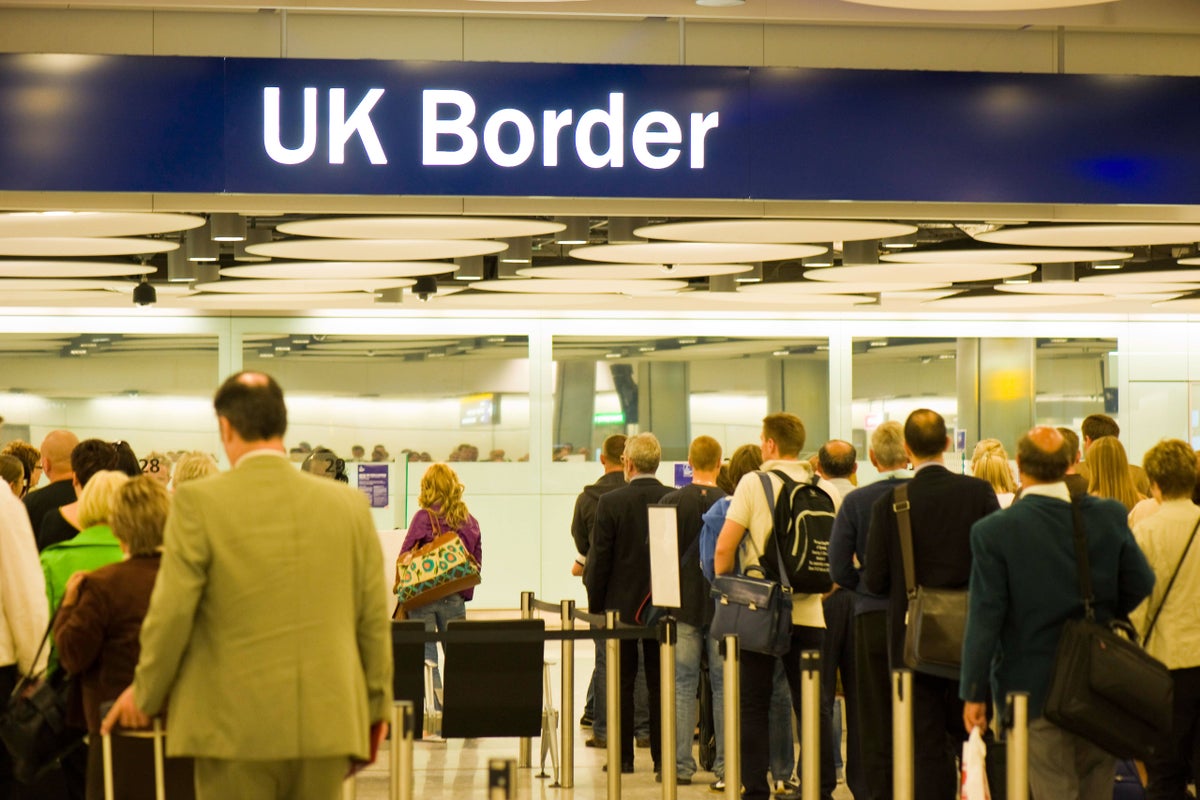
A group of twenty-somethings land at the airport. They pay less for their round-trip ticket than a decent dinner out. They check into a holiday rental tucked inside a residential neighborhood where the neighbors change every forty-eight hours. There are no hotel concierges to raise an eyebrow, no long-standing community ties to enforce informal social contracts. To them, the city is not a living, breathing ecosystem with a thousand-year pedigree. It is a backdrop. A stage set. A disposable consumer good.
And disposable things are easy to break.
Behavioral psychologists talk about deindividuation—the psychological state where an individual loses their sense of self-awareness in a group. anonymity breeds impulse. Add cheap alcohol, the intoxicating liberation of being two hours away from home, and an unspoken cultural script that portrays Southern Europe as a lawless zone for northern European indulgence, and you have a recipe for civic combustion.
Local authorities are scrambling. Mayors are holding emergency meetings. Fines are being hiked. Curfews and alcohol restrictions are debated in smoky chambers while police vans idle near the tourist strips.
But police tape and steeper fines treat the symptom while the disease metastasizes.
The deeper crisis is structural. It is about a tourism model that commodifies entire coastlines until there is nothing left of the original culture except a hollowed-out shell populated by souvenir shops and late-night kebab stands. When a city sells its soul to volume tourism, it invites its own desecration. The tourists who smash windows and tear down street signs are the extreme, hyper-visible symptom of a much larger, quieter tragedy: the displacement of community by commerce.
I remember sitting on a bench near the harbor three summers ago, watching an elderly man try to feed stray cats near a crumbling Roman wall. A pack of young men, stripped to the waist and shouting football anthems, barreled past him, kicking over his ceramic water bowl without breaking stride. They didn't even look down. To them, the old man and his cats were furniture. Obstacles in a video game.
That is the invisible scar left behind. It is not just the cost of replacing shattered glass or repairing defaced monuments—though municipal budgets groan under those figures, running into hundreds of thousands of euros each season. It is the erosion of hospitality itself. When welcome turns to exhaustion, and exhaustion hardens into resentment, the warmth that made these coastal cities legendary begins to die.
Residents are fighting back. Not always with bricks, but with banners hung from balconies, town hall protests, and a cold, silent stare across crowded restaurant tables. They are drawing a line in the sand, insisting that a passport does not grant immunity from basic human decency.
The sun will set tonight over the Mediterranean, painting the water in shades of amethyst and gold. Mateo will lock his café doors, sweep up the last stray bits of glass, and look out at the darkening plaza. The tourists will sleep off their hangovers in air-conditioned rooms, waiting for tomorrow's flight or tomorrow's bar crawl. But the city remembers every scar. And the tide, eventually, always comes back to clean the shore.