The gas station on the corner of 5th and Main used to be a place of mindless ritual. You pulled in, swiped a card, and watched the numbers climb while the smell of benzene hung heavy in the humid air. It was a chore, but it was a stable one. That stability died on a Tuesday, not with a bang, but with a flicker of a television screen showing grainy footage of drones over the Strait of Hormuz.
Suddenly, the numbers on those pumps didn't just climb. They jumped.
When the geopolitical tectonic plates beneath Iran and its neighbors shift, the tremors aren't felt first in the halls of diplomacy. They are felt in the wallets of a commuter in Ohio, a delivery driver in Lyon, and a factory worker in Bangkok. We have spent a century tethered to a liquid that sits beneath the sand in one of the most volatile corners of the map. It is a precarious way to live.
The Invisible Tether
Consider a woman named Elena. She isn’t real, but she represents millions. Elena drives a ten-year-old sedan that requires a steady diet of unleaded to get her to a job that barely covers her rent. When conflict in the Middle East flares, Elena doesn’t think about "global energy security" or "crude futures." She thinks about whether she can afford to visit her mother on Sunday.
For Elena, the internal combustion engine is no longer a symbol of freedom. It is a liability.
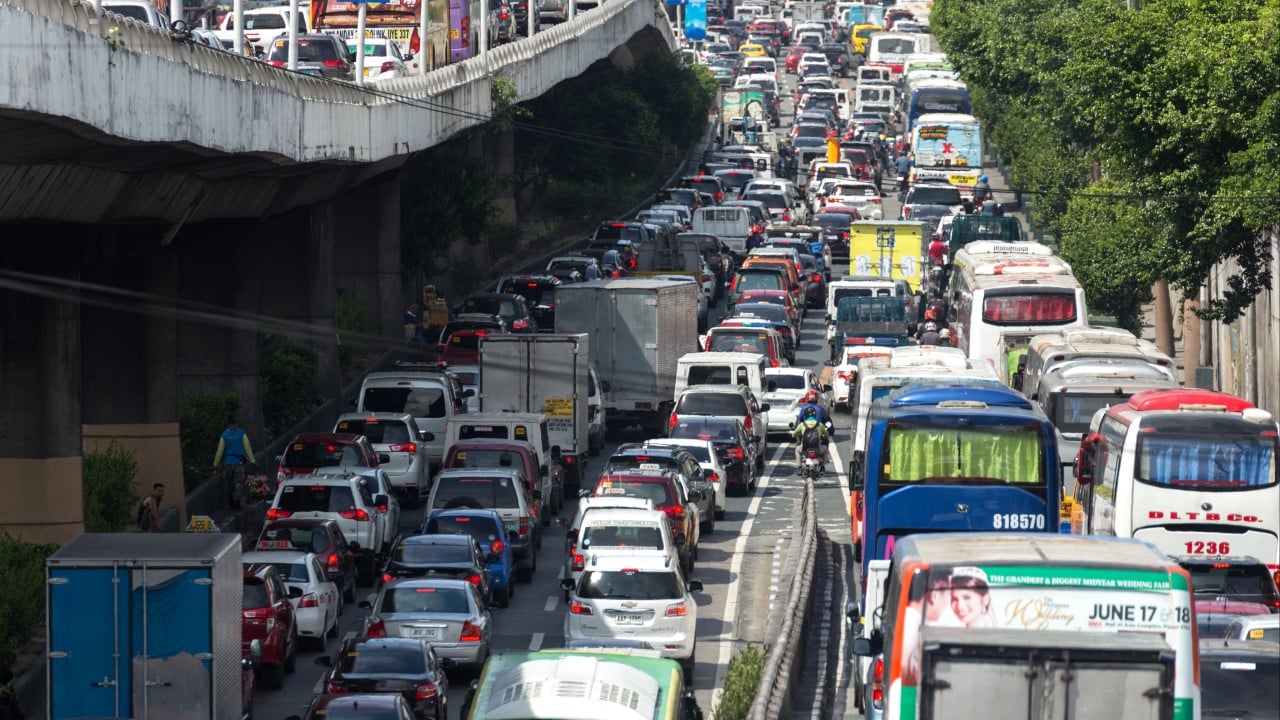
Every time a missile is fired or a blockade is threatened in the Persian Gulf, the price of oil spikes. This isn't just a temporary inconvenience. It is a psychological breaking point. For decades, the Western world viewed the electric vehicle as a luxury—a toy for the eco-conscious elite or a gadget for the tech-obsessed. But when the gas stations start hanging "Out of Service" signs or the price per gallon hits a number that feels like a typo, the "toy" starts to look like a life raft.
The conflict in Iran is the final, frantic push for an entire generation of drivers to cut the cord. It isn't just about saving the planet anymore. It is about the desperate, human need to stop being a hostage to a supply chain that passes through a choke point.
The Dragon in the Battery
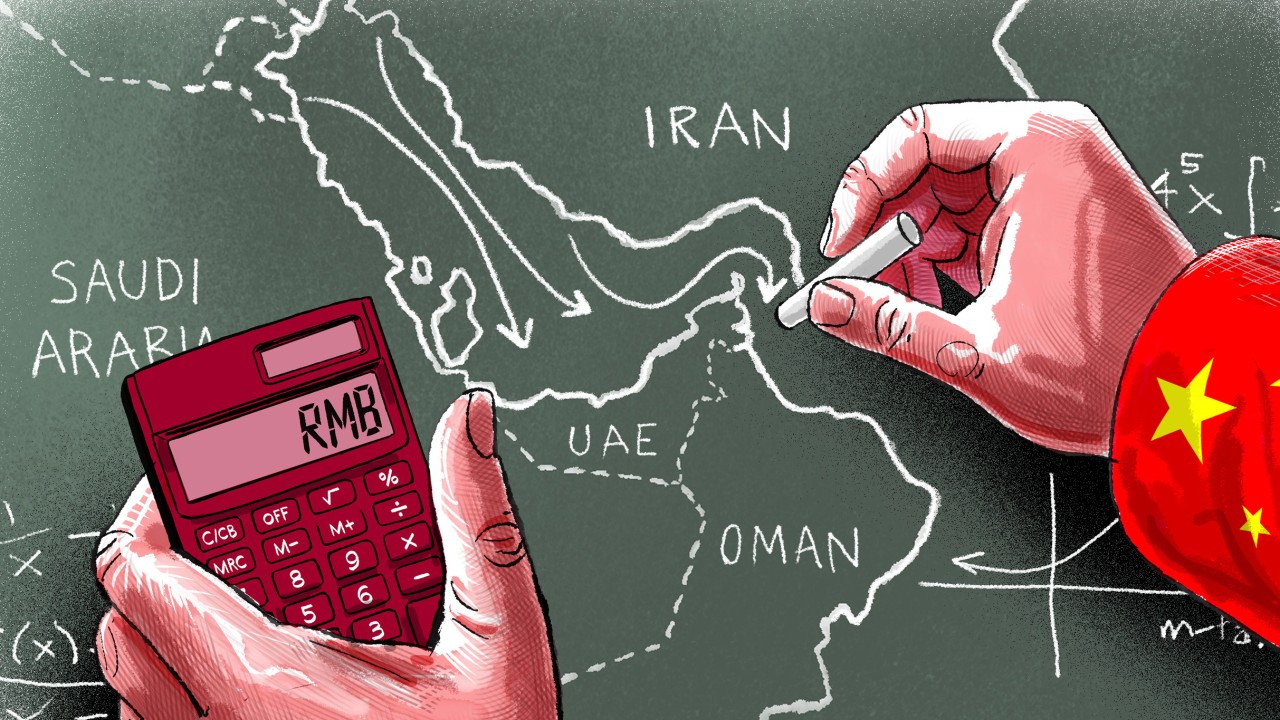
While the West grapples with the anxiety of the pump, a different story is being written thousands of miles to the east. If oil is the blood of the old world, lithium and cobalt are the nervous system of the new one.
China understood this twenty years ago.
While we were debating the aesthetics of hybrid cars, Chinese planners were quietly securing the rights to the minerals that make batteries possible. They didn't just want to build cars; they wanted to build the infrastructure of the future. Now, as the threat of an Iran war looms, the "oil shock" that would have crippled the global economy in 1973 or 1990 is playing right into their hands.
Imagine a chess board where one player is trying to protect their last few pieces of wood, while the other player has already begun 3D printing a new set out of carbon fiber.
China’s car industry isn't just participating in the shift to electric; it is the primary beneficiary of the chaos. When gas prices soar, the barrier to entry for an electric vehicle (EV) drops. People who were on the fence about making the switch suddenly find the math much simpler. And when they look for an affordable, mass-produced electric car, they find that the most viable options are increasingly coming from brands like BYD, Nio, and Xiaomi.
The Cruel Irony of Energy Independence
There is a profound irony in our current moment. For years, the rallying cry of politicians has been "Energy Independence." We were told that fracking and domestic drilling would insulate us from the whims of foreign dictators and regional wars.
It was a beautiful lie.
Oil is a global commodity. Even if every drop of oil we used was pulled from our own soil, the price would still be dictated by the global market. If a refinery in Abadan goes dark, the price in Dallas goes up. We are part of a collective, interconnected nervous system that reacts to pain anywhere on the body.
The shift to electric power changes the nature of that connection. Electricity is local. It can be generated by a wind turbine on a hill, a solar panel on a roof, or a nuclear plant five towns over. It doesn't need to be shipped across oceans in vulnerable tankers.
But there is a catch.
While we might escape the volatility of the oil market, we are running headlong into a different kind of dependency. To build the batteries for these cars, we need a supply chain that is currently dominated by the very nation positioned to benefit most from the decline of the oil age. We are trading a dependence on the Middle East for a dependence on the South China Sea.
The Ghost in the Assembly Line
Walk through a traditional automotive plant in Detroit or Stuttgart, and you will see the ghosts of a century of engineering. The internal combustion engine is a miracle of complexity—thousands of moving parts, controlled explosions, and intricate cooling systems. It is a masterpiece of the 20th century.
Then, walk through a modern EV factory.
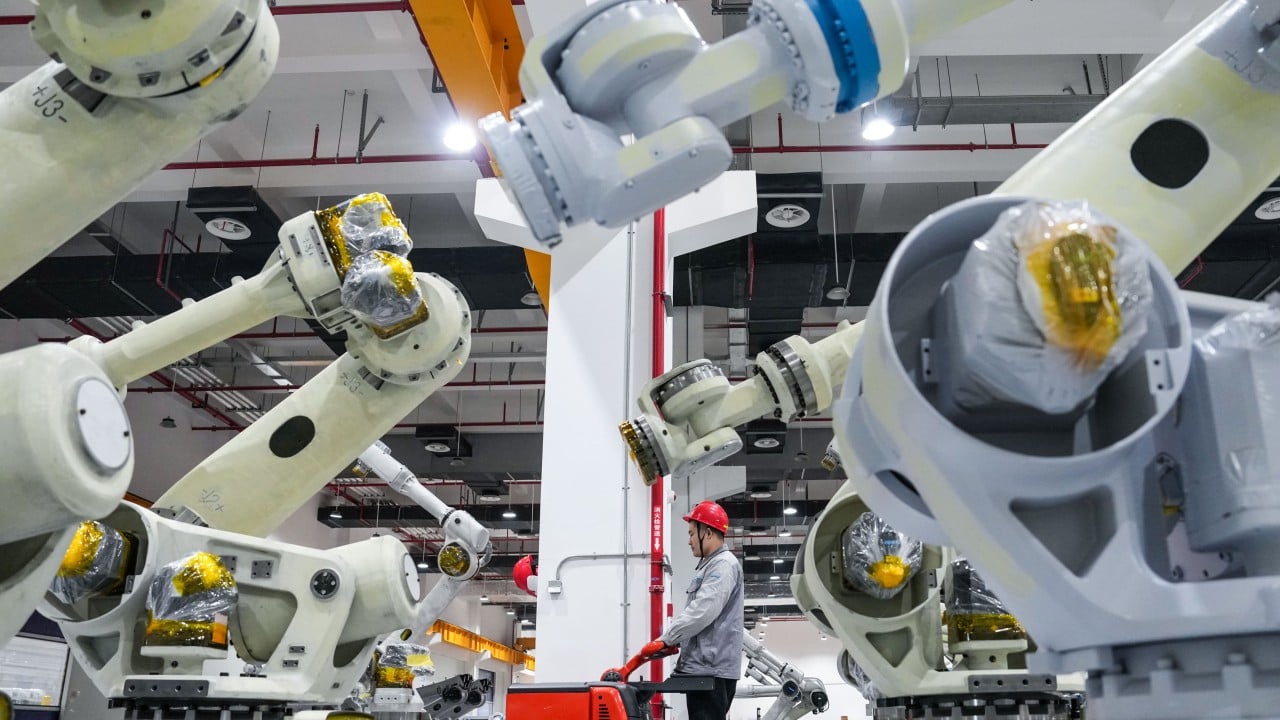
It is hauntingly quiet. The complexity has shifted from the mechanical to the digital. The engine—the "heart" of the car—has been replaced by a slab of cells and a few electric motors. This transition is brutal for the people who have spent their lives mastering the old ways.
There is a man, let’s call him Marcus, who has spent thirty years perfecting the tolerances of fuel injectors. He is an artist in steel and aluminum. To Marcus, the rise of the EV isn't just a business trend. It is the erasure of his life’s work. When he reads about the "game-changing" potential of an Iran war for the EV industry, he doesn't see progress. He sees a looming obsolescence.
The human cost of this transition is often buried in the business sections of our newspapers. We talk about "disruption" as if it’s a clean, clinical process. It isn't. It is messy, frightening, and deeply personal. The conflict in the Middle East is accelerating a process that was already going to be painful, forcing us to compress decades of industrial change into a handful of years.
The Race Against the Clock
Why does this specific conflict matter so much right now? Because we are at a tipping point.
The technology for EVs has finally reached the "good enough" stage. The range is sufficient for most, the charging speeds are improving, and the cars themselves are becoming genuine objects of desire rather than rolling statements of virtue.
But the infrastructure isn't ready. The power grids are fragile. The charging networks are spotty.
If a full-scale war breaks out and gas prices double overnight, the surge in demand for EVs won't be a gradual wave. It will be a tsunami. We aren't ready for the tsunami. We would see a desperate scramble for batteries, a surge in electricity prices, and a massive geopolitical shift as China maneuvers to fill the void left by crumbling Western supply chains.
The "invisible stakes" are nothing less than the leadership of the 21st century.
If the West cannot rapidly scale its own battery production and secure its own mineral rights, the end of the oil age won't mean energy independence. It will mean a transfer of power so significant that it will dwarf the influence the oil-producing nations ever held. We are watching the sun set on one empire and rise on another, fueled not by the black gold of the earth, but by the white gold of lithium.
The Quiet Hum of the Future
Late at night, in cities across the world, you can hear it if you listen closely. It’s a low, electronic hum. It’s the sound of a car plugged into a wall, sipping power while the world sleeps.
In Tehran, generals may be moving pieces on a map. In Washington, analysts may be calculating the cost of a carrier group. In Beijing, planners may be checking the inventory of a cobalt mine in the Congo.
But on a quiet street in a suburb somewhere, a person is walking out to their car. They don't check the news to see if they can afford to drive to work. They don't look at the glowing signs of the gas stations as they pass, watching the numbers tick upward like a countdown clock.
They simply unplug the cord, settle into the seat, and drive away in silence.
The transition is no longer a choice made by activists or early adopters. It is being forced upon us by the reality of a world that has grown too small and too volatile to rely on a liquid that can be turned off with a single command. The tragedy of conflict is that it often serves as the most effective catalyst for change. We are leaving the era of fire and moving into the era of the electron, not because we want to, but because we have to.
The smell of gasoline is becoming a memory. The sound of the engine is becoming a ghost. We are crossing a threshold from which there is no return, and the path forward is lit by the flickering glow of a million battery cells, charging in the dark.
The gas station on the corner won't be there forever. One day soon, it will be a coffee shop, or a park, or a relic of a time when we thought our freedom was something we could pump out of the ground. The future doesn't belong to the ones who hold the oil. It belongs to the ones who hold the light.
The cord is already being cut.
Would you like me to generate a series of images illustrating the transition from traditional oil infrastructure to the new mineral-based energy landscape?